

RedKalion
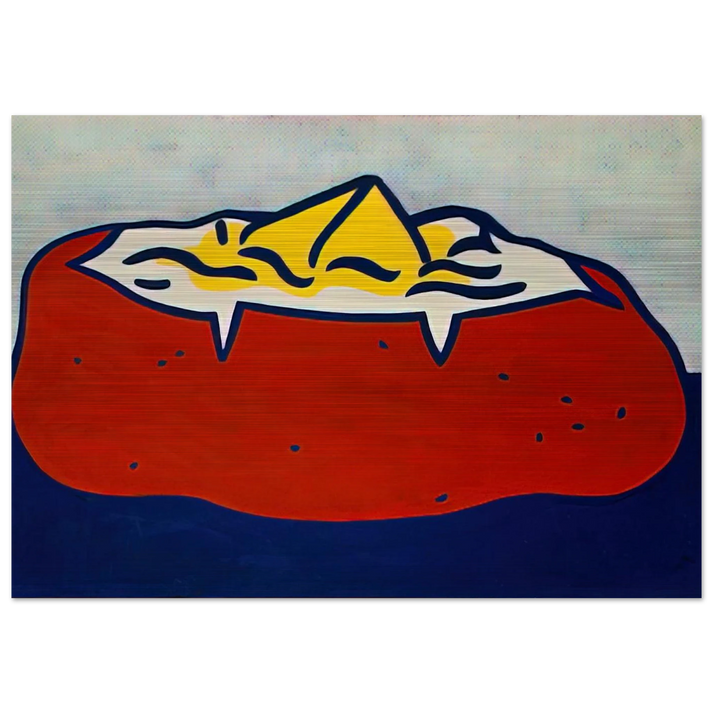
BAKED POTATO 1962 - Roy Lichtenstein Brushed Aluminum Print - 70x100 cm / 28x40 inches | Roy Lichtenstein Aluminum Print | Roy Lichtenstein Prints
BAKED POTATO 1962 - Roy Lichtenstein Brushed Aluminum Print - 70x100 cm / 28x40 inches | Roy Lichtenstein Aluminum Print | Roy Lichtenstein Prints
Couldn't load pickup availability
A Masterpiece of Pop Art Reimagined: Roy Lichtenstein's Baked Potato (1962)
Immerse your space in the bold, graphic language of the 20th century's most influential art movement. This Roy Lichtenstein aluminum print featuring the iconic Baked Potato (1962) is more than a simple fine art print; it is a statement of sophisticated taste. Originally conceived during the height of the Pop Art explosion, this work captures the essence of American consumerism with high-contrast precision and subversive wit.
Premium Material Meets Archival Excellence
At RedKalion, we believe a museum-quality reproduction should be as enduring as the original's legacy. This piece is meticulously printed on 3mm (0.12") Brushed silver Aluminum DIBOND®. The unique metallic finish features a horizontal grain that adds a sense of motion and depth to the composition. In this specific rendering of Baked Potato, all unprinted white areas reveal the natural metallic silver of the aluminum, creating a striking, dynamic interplay of light that a traditional paper print simply cannot replicate.
- Sophisticated Finish: A glare-free matte surface ensures the artwork remains visible from all angles without distracting reflections.
- Industrial Durability: The 3mm aluminum base is rigid, lightweight, and resistant to environmental changes, making it ideal for modern interiors.
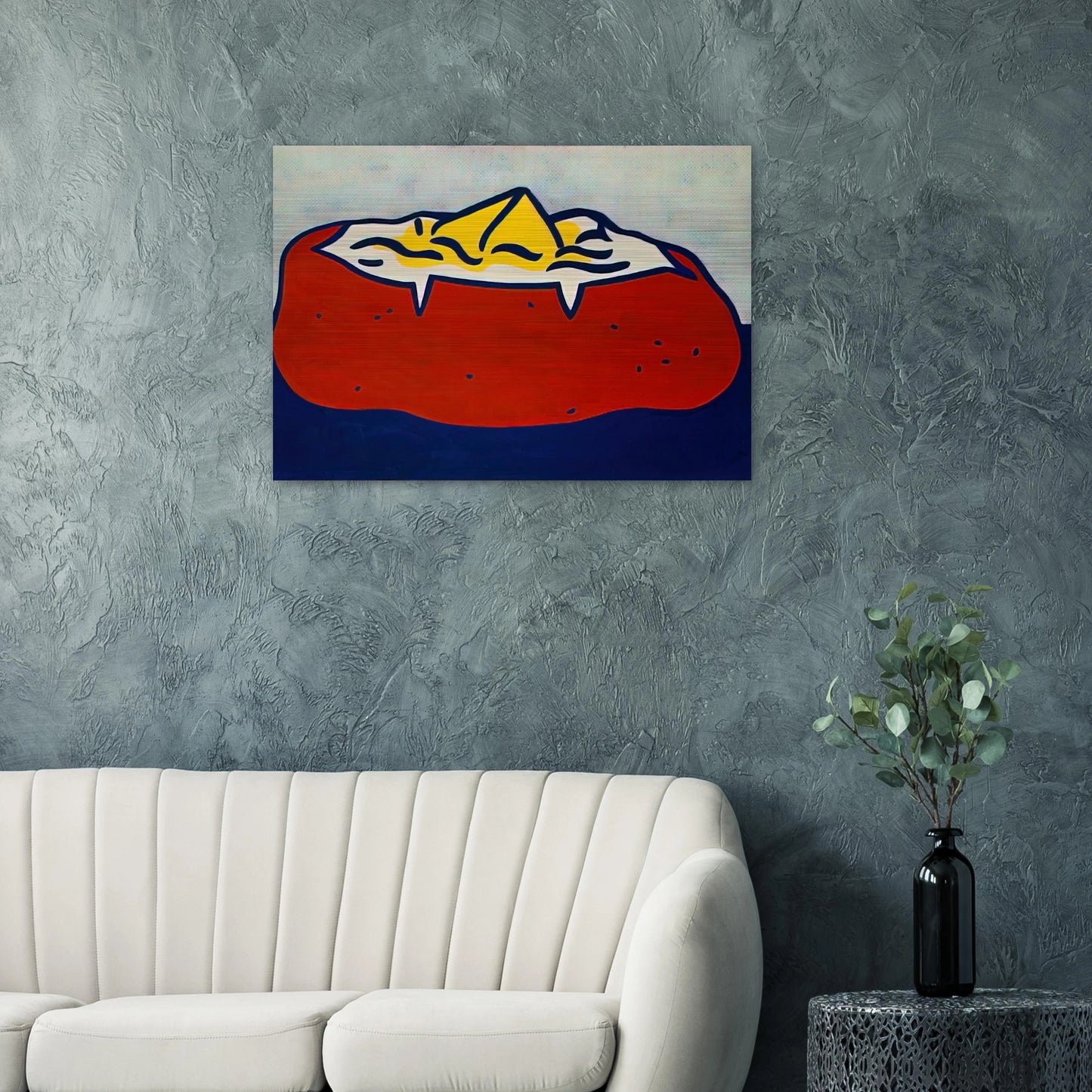
- Ready to Hang: This 70x100 cm (28x40 inches) masterpiece includes a specialized hanging kit tailored to your location for a seamless, floating installation.
Artistic Context: The Beauty of the Mundane
In 1962, Roy Lichtenstein revolutionized the art world by elevating ordinary objects to the status of high art. By employing the visual vocabulary of commercial advertising and mass media, he challenged our perceptions of value and aesthetics. This Roy Lichtenstein print serves as a tribute to that revolutionary era, offering a contemporary way to appreciate the archival-grade brilliance of Pop Art history. Elevate your collection with an archival masterpiece that endures through time.


Discover Unlimited Art Possibilities
At RedKalion, you can find virtually any artwork from any artist, available in a wide range of sizes to perfectly match your space.
If you didn’t find what you’re looking for, contact us at support@redkalion.com . We will source any artwork and produce it in any size and format you need, including art prints, posters, canvas, framed pieces, framed canvas, and more.
For dedicated art enthusiasts, we also offer handcrafted replicas of any artwork, carefully painted by highly skilled artists using traditional techniques.
For custom requests, contact us at support@redkalion.com .
What material is used for this Roy Lichtenstein print?
This artwork is printed on 3mm (0.12") brushed silver Aluminum DIBOND®, a premium, rigid material known for its lightweight strength and sophisticated metallic finish.
How does the brushed aluminum finish affect the artwork's appearance?
The horizontal grain of the brushed silver adds a dynamic texture. Unprinted white areas reveal the silver metallic effect, providing a modern, industrial look to the 1962 design.
Is the mounting hardware included with my purchase?
Yes, every Roy Lichtenstein aluminum print from RedKalion comes with a hanging kit included. The specific hardware varies by country to ensure the most secure installation for your region.
How long will this archival-grade reproduction last?
RedKalion uses state-of-the-art direct printing and archival inks on AluDibond, ensuring your museum-quality reproduction is fade-resistant and maintains its vivid details for decades.
What are the shipping and delivery expectations?
We provide secure, insured shipping for all 28x40 inch prints. Each piece is custom-packaged to prevent damage, with tracking provided from our gallery to your doorstep.
What is the significance of "Baked Potato" (1962) in Lichtenstein’s career?
"Baked Potato" is a seminal work from Lichtenstein's early Pop period, showcasing his mastery of isolating commercial imagery to critique and celebrate American consumer culture.
Why did Roy Lichtenstein choose mundane objects like a baked potato as his subjects?
Lichtenstein sought to bridge the gap between high art and popular culture, using the simplified forms of commercial graphics to highlight the hidden beauty in everyday life.