
RedKalion
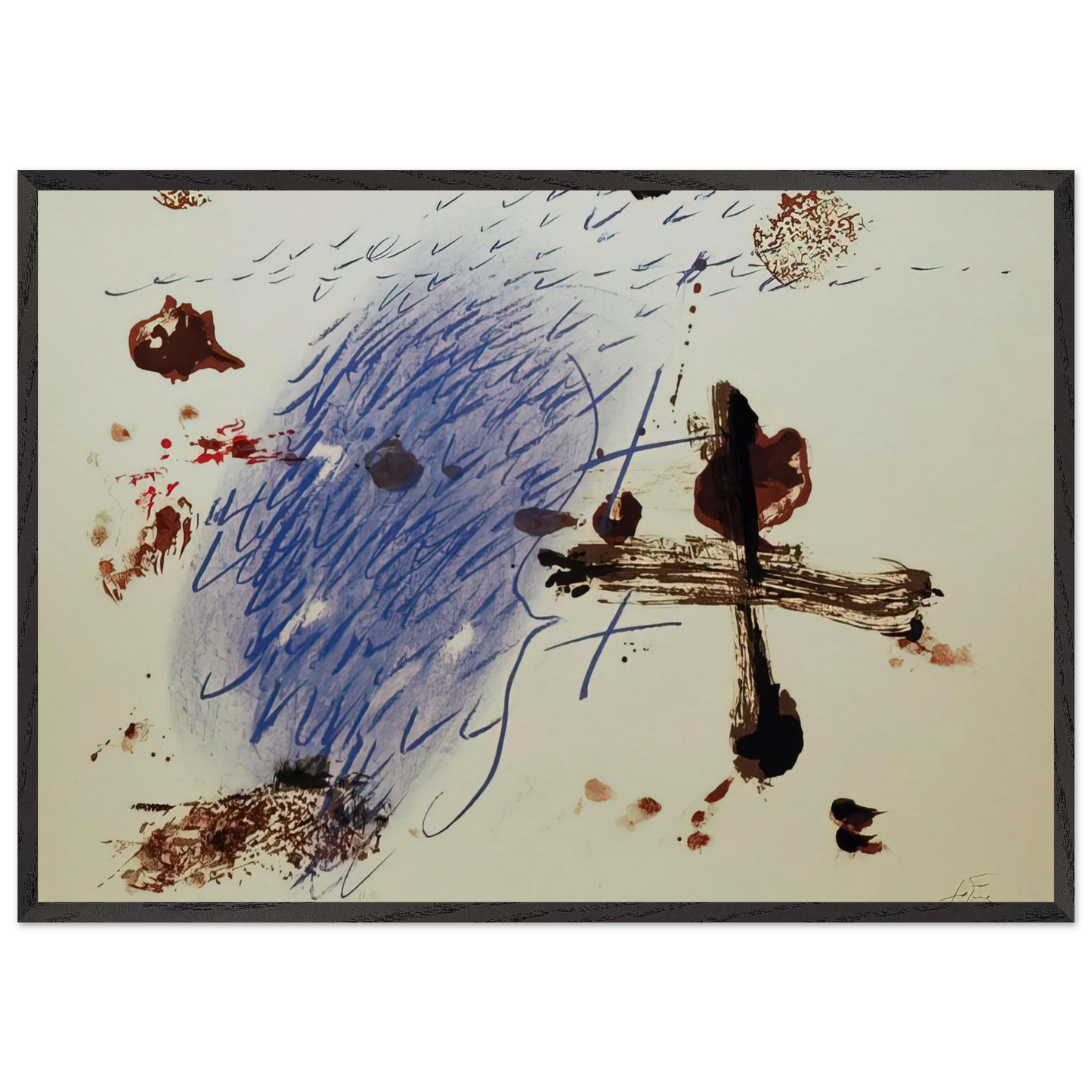
BAN DE LOO COLOGNE 1972 - Antoni Tapies 70x100 cm / 28x40 inches Framed Art Print – Black Wooden Frame
BAN DE LOO COLOGNE 1972 - Antoni Tapies 70x100 cm / 28x40 inches Framed Art Print – Black Wooden Frame
Couldn't load pickup availability
Elevate Your Space with the Antoni Tàpies Ban de Loo Cologne 1972 Fine Art Print
Experience the raw emotional power and tactile sophistication of Antoni Tàpies with this museum-quality reproduction of his iconic Ban de Loo Cologne 1972 exhibition poster. As a leading figure of Spanish Informalism, Tàpies transformed the canvas into a wall-like surface, laden with symbolic language and philosophical depth. This piece, originally created for the renowned Galerie van de Loo, captures the artist's mastery of calligraphy and abstract form, making it a definitive statement piece for any contemporary interior.
At RedKalion, we honor the legacy of this twentieth-century master by utilizing archival museum-quality paper. This natural white, matte, and uncoated paper weighs 250 gsm (110 lb), providing a substantial feel and ensuring that the nuanced textures of Tàpies' work are rendered with absolute fidelity. The print is housed in a premium black wooden frame, crafted from responsibly sourced oak and ash. Measuring 20mm (0.79") in width and thickness, this frame offers a bold, architectural profile that surpasses standard retail alternatives.
The RedKalion Standard of Excellence
- Archival Longevity: Our acid-free paper ensures your investment remains vibrant for generations without yellowing.
- Premium Protection: Each print is shielded by shatterproof plexiglass, offering crystal-clear visibility while protecting the artwork from UV damage.
- Sustainable Craftsmanship: We use FSC-certified materials, aligning luxury with environmental responsibility.
- Ready to Hang: Your 70x100 cm (28x40 inch) framed art print arrives with a pre-installed hanging kit, allowing for immediate installation.
Introduce a touch of avant-garde history to your collection. This Tàpies reproduction isn't just a print; it is a meticulously curated archival masterpiece designed to endure and inspire.
Discover Unlimited Art Possibilities
At RedKalion, you can find virtually any artwork from any artist, available in a wide range of sizes to perfectly match your space.
If you didn’t find what you’re looking for, contact us at support@redkalion.com . We will source any artwork and produce it in any size and format you need, including art prints, posters, canvas, framed pieces, framed canvas, and more.
For dedicated art enthusiasts, we also offer handcrafted replicas of any artwork, carefully painted by highly skilled artists using traditional techniques.
For custom requests, contact us at support@redkalion.com .
What makes the Antoni Tàpies Ban de Loo Cologne 1972 print special?
This print reproduces the 1972 exhibition poster for Galerie van de Loo. It showcases Antoni Tàpies' signature style of Informalism, utilizing symbolic gestures and tactile-inspired marks that bridged the gap between painting and sculpture in the late 20th century.
What are the specific paper and frame qualities?
We use 250 gsm (110 lb) archival museum-quality paper with a thickness of 0.29 mm. The frame is made from responsibly sourced black oak or ash, measuring 20mm thick, providing a robust and premium feel for this fine art reproduction.
Is the artwork ready to hang upon arrival?
Yes. Your framed art print includes a professional hanging kit. The shatterproof plexiglass ensures the artwork is protected during transit and once it is displayed on your wall, offering a safe and polished finish.
How does RedKalion ensure the longevity of the print?
We utilize acid-free, natural white paper that prevents discoloration over time. Combined with our archival inks and UV-resistant plexiglass, this museum-quality reproduction is designed to maintain its visual integrity for decades.
What was the significance of the 1972 Cologne exhibition?
The 1972 exhibition at Galerie van de Loo was a pivotal moment in Tàpies' career, solidifying his influence in the German art scene. The work reflects his focus on 'Matter Painting,' emphasizing the physical properties of the medium.
Is the framing material environmentally friendly?
Absolutely. RedKalion uses FSC-certified wood (oak and ash) or equivalent sustainable materials. Our commitment to high-end curation includes ensuring our production processes respect global environmental standards.
How is the print protected during shipping?
Each framed print is packaged in high-strength protective materials. The use of shatterproof plexiglass instead of standard glass significantly reduces the risk of breakage while maintaining the clarity and depth of the artwork.