

RedKalion
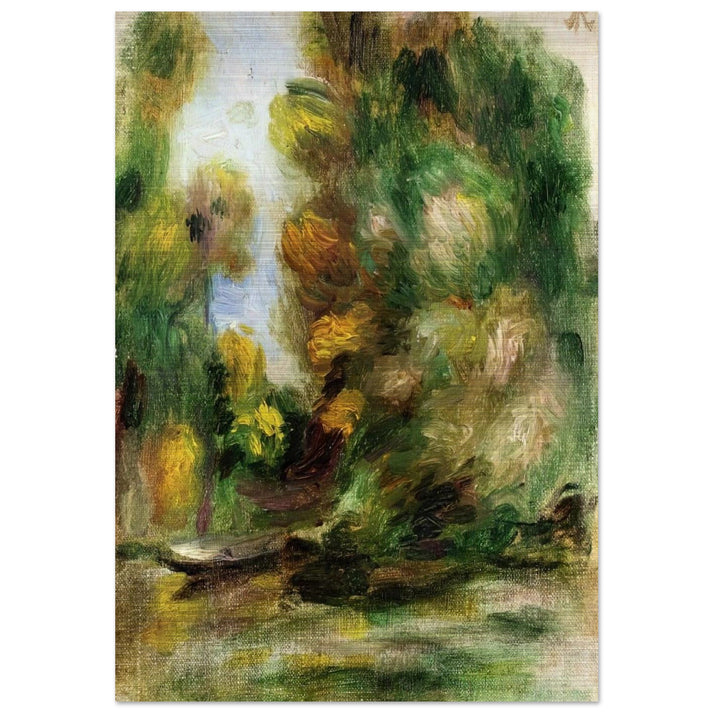
Banks of the River - Pierre-Auguste Renoir Brushed Aluminum Print - 70x100 cm / 28x40 inches | Pierre-Auguste Renoir Aluminum Print | Pierre-Auguste Renoir Prints
Banks of the River - Pierre-Auguste Renoir Brushed Aluminum Print - 70x100 cm / 28x40 inches | Pierre-Auguste Renoir Aluminum Print | Pierre-Auguste Renoir Prints
Couldn't load pickup availability
Bringing the Impressionist Light of Renoir to the Modern Interior
Pierre-Auguste Renoir's Banks of the River is a masterclass in the Impressionist pursuit of capturing fleeting light and atmospheric movement. This piece epitomizes the late 19th-century fascination with the leisure of the French countryside, where the water acts as a mirror to the sky. By selecting this museum-quality reproduction from RedKalion, you are not merely decorating a space; you are acquiring a piece of art history that has been thoughtfully translated for the modern era.
The Intersection of Classical Art and Contemporary Material
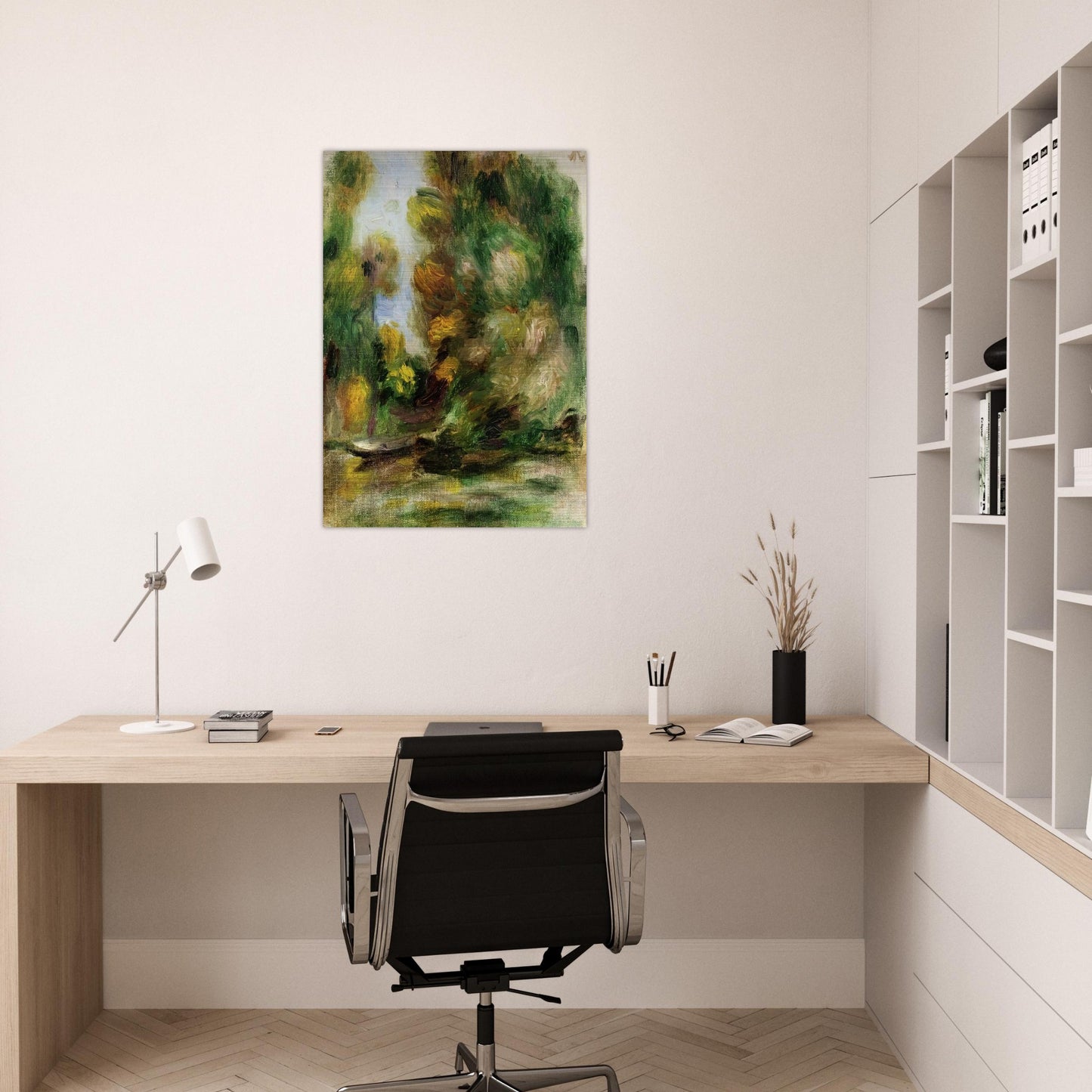
RedKalion elevates this masterpiece through our premium Brushed silver Aluminum DIBOND® medium. This 3mm (0.12") rigid base provides a durable, sophisticated foundation for Renoir's signature soft, dapple brushwork. The unique horizontal grain of the metallic finish adds a dynamic quality to the river's surface, making the light appear to shift as you move across the room.
- Vivid Direct Printing: Our advanced technology ensures the colors remain true to Renoir's palette with a refined, glare-free matte finish.
- Metallic Silver Effect: Unprinted white areas reveal the brushed aluminum texture, creating a striking visual depth that modernizes the classic landscape.
- Archival Durability: The 3mm thick aluminum construction is both lightweight and incredibly rigid, designed to resist warping and environmental aging.
- Ready to Exhibit: Each fine art print includes a hanging kit tailored to your location, ensuring a seamless installation process.
Elevate your collection with an archival-grade masterpiece. This Pierre-Auguste Renoir Aluminum Print is more than a reproduction; it is a durable investment in aesthetic excellence that endures.


Discover Unlimited Art Possibilities
At RedKalion, you can find virtually any artwork from any artist, available in a wide range of sizes to perfectly match your space.
If you didn’t find what you’re looking for, contact us at support@redkalion.com . We will source any artwork and produce it in any size and format you need, including art prints, posters, canvas, framed pieces, framed canvas, and more.
For dedicated art enthusiasts, we also offer handcrafted replicas of any artwork, carefully painted by highly skilled artists using traditional techniques.
For custom requests, contact us at support@redkalion.com .
What are the physical dimensions of the Renoir print?
This specific edition of Banks of the River measures 70x100 cm (28x40 inches), providing a substantial presence for living rooms, galleries, or office spaces.
What is Brushed Aluminum DIBOND®?
It is a premium 3mm thick composite material consisting of a rigid core between two aluminum sheets, featuring a brushed silver finish and a horizontal grain.
How does the matte finish affect the artwork's appearance?
The matte finish is glare-free, making it ideal for bright environments. It allows the brushed aluminum grain to interact with light without distracting reflections.
Is the hanging hardware included with the print?
Yes, every RedKalion aluminum print comes with a specialized hanging kit. The specific hardware varies depending on the fulfillment country to ensure local compatibility.
How long will this archival-grade print last?
Our direct-to-aluminum printing process is designed for longevity. The archival-grade materials and UV-resistant inks ensure the artwork remains vivid for decades without fading.
What was Renoir’s inspiration for Banks of the River?
Renoir was a pioneer of En Plein Air painting. He sought to capture the interplay of sunlight and water, often focusing on the Seine to celebrate French leisure.
How does the brushed metal grain enhance Impressionist art?
The horizontal grain of the aluminum mimics the fluid motion of water and the light-scattering techniques used by Impressionists, adding a three-dimensional depth to the flat print.