

RedKalion
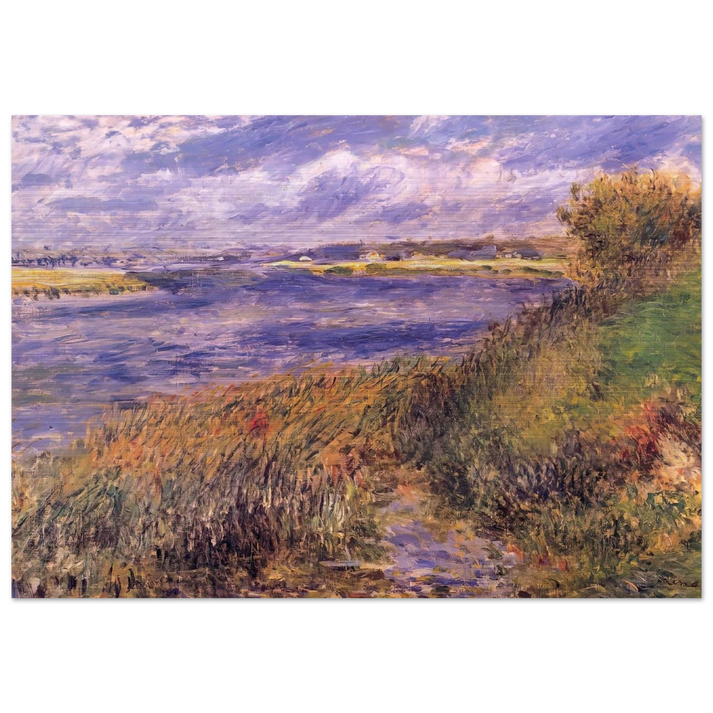
Banks of the Seine at Champrosay - Pierre-Auguste Renoir Brushed Aluminum Print - 70x100 cm / 28x40 inches | Pierre-Auguste Renoir Aluminum Print | Pierre-Auguste Renoir Prints
Banks of the Seine at Champrosay - Pierre-Auguste Renoir Brushed Aluminum Print - 70x100 cm / 28x40 inches | Pierre-Auguste Renoir Aluminum Print | Pierre-Auguste Renoir Prints
Couldn't load pickup availability
Elevate Your Space with Renoir's Impressionist Masterpiece
Invite the luminous beauty of the French countryside into your home with Banks of the Seine at Champrosay, a definitive work by Pierre-Auguste Renoir. Originally painted in 1876, this masterpiece captures the ephemeral play of light and shadow along the riverbanks where Renoir frequently sought inspiration. At RedKalion, we have curated this museum-quality reproduction to bridge the gap between 19th-century artistry and modern industrial elegance.
The Artistry of the Seine
Renoir's technique in this period was defined by short, rhythmic brushstrokes and a vibrant palette that prioritized atmosphere over rigid structure. By choosing this fine art print, you are securing a piece that reflects the pinnacle of High Impressionism. The scene, located near the home of novelist Alphonse Daudet, serves as a serene window into a world of leisure and natural harmony.
Sophisticated Brushed Aluminum Finish
This Pierre-Auguste Renoir aluminum print is executed on premium 3mm (0.12") Brushed silver Aluminum DIBOND®. Unlike traditional paper prints, this medium offers a dynamic, interactive experience:
- Metallic Depth: Unprinted white areas in the composition allow the natural silver metallic finish to shine through, creating a shimmering effect on the water's surface.
- Horizontal Grain: The brushed texture adds a subtle, sophisticated texture that complements Renoir's horizontal brushwork.
- Matte & Glare-Free: The direct-print technology ensures vivid colors and deep blacks with a matte finish that eliminates distracting reflections.
- Durability: The rigid DIBOND® base is exceptionally durable and resistant to warping, ensuring your investment endures for generations.
A Statement of Quality
RedKalion is dedicated to providing archival-grade reproductions that satisfy the most discerning collectors. Every 70x100 cm print arrives ready to hang, including a mounting kit tailored to your location. Transform your interior with an archival masterpiece that balances historical significance with contemporary material innovation.


Discover Unlimited Art Possibilities
At RedKalion, you can find virtually any artwork from any artist, available in a wide range of sizes to perfectly match your space.
If you didn’t find what you’re looking for, contact us at support@redkalion.com . We will source any artwork and produce it in any size and format you need, including art prints, posters, canvas, framed pieces, framed canvas, and more.
For dedicated art enthusiasts, we also offer handcrafted replicas of any artwork, carefully painted by highly skilled artists using traditional techniques.
For custom requests, contact us at support@redkalion.com .
What material is used for the Pierre-Auguste Renoir print?
The artwork is printed on 3mm Brushed silver Aluminum DIBOND®, featuring a horizontal grain and a metallic finish that adds depth and a modern aesthetic to the classic Impressionist imagery.
Does the print come ready to hang?
Yes, every RedKalion aluminum print includes a hanging kit. The specific type of hardware provided varies based on the fulfillment country to ensure the most secure mounting for your 70x100 cm piece.
How does the brushed silver effect change the appearance of the painting?
In areas where the painting contains white or very light tones, the ink is omitted, allowing the brushed silver aluminum to show through. This creates a stunning metallic shimmer, particularly effective for depicting sunlight on water.
Is the finish of the aluminum print glossy or matte?
The print features a matte, glare-free finish. This ensures that the intricate details of Renoir's brushwork remain visible from all angles without interference from indoor lighting or window reflections.
Are these prints considered archival quality?
Absolutely. We use professional-grade direct printing on rigid Aluminum DIBOND®, ensuring the colors remain vivid and the structure remains stable for decades, making it a true archival-grade reproduction.
When did Pierre-Auguste Renoir paint Banks of the Seine at Champrosay?
Renoir painted this iconic scene in 1876. It was a period during which he perfected his 'en plein air' technique, capturing the immediate, sensory experience of the landscape near Paris.
Why is Champrosay significant in art history?
Champrosay was a frequent retreat for the Impressionists. Renoir stayed there with his friend, the writer Alphonse Daudet, using the location to explore the complex reflections and lighting of the Seine riverbanks.