RedKalion
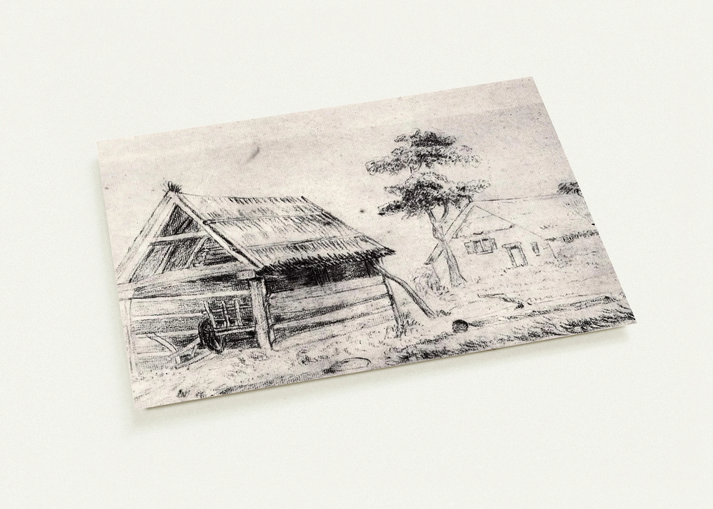
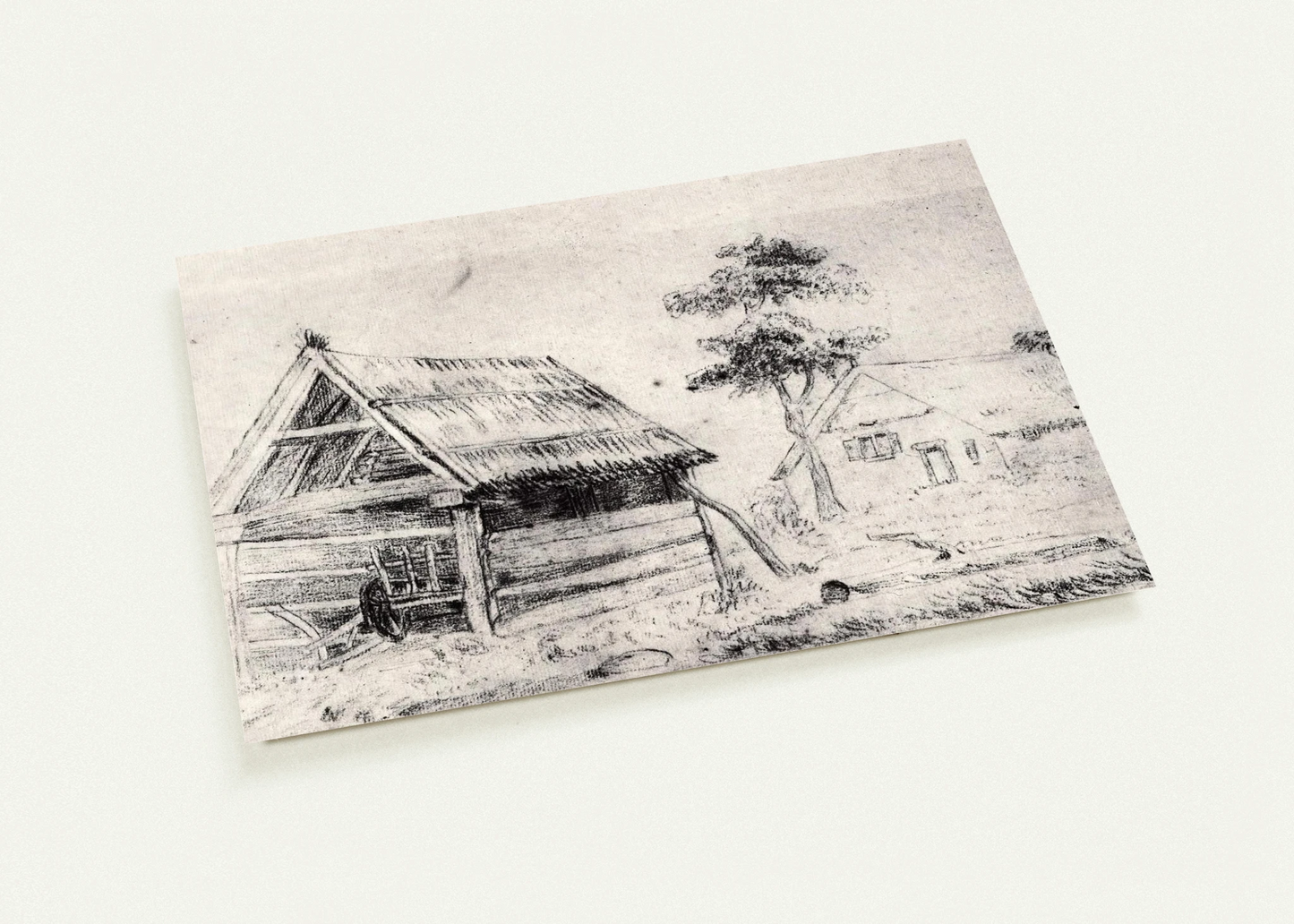
Barn and Farmhouse By Vincent van Gogh Pack of 10 Post Cards | Vincent van Gogh Post Cards | A6 (10.5 x 14.8 cm) - 4.1 x 5.8 inches
Barn and Farmhouse By Vincent van Gogh Pack of 10 Post Cards | Vincent van Gogh Post Cards | A6 (10.5 x 14.8 cm) - 4.1 x 5.8 inches
Couldn't load pickup availability
Elevate Your Correspondence: Barn and Farmhouse by Vincent van Gogh
Invite the rustic elegance of the 19th-century countryside into your daily life with our exclusive pack of 10 Barn and Farmhouse by Vincent van Gogh postcards. This curated set allows you to share a piece of art history, capturing Van Gogh’s profound connection to rural life and the quiet dignity of agricultural labor. These are not merely stationery; they are museum-quality reproductions designed for those who appreciate the intersection of fine art and tactile quality.
The RedKalion Standard of Excellence
At RedKalion, we bridge the gap between historic masterpieces and modern archival technology. Each card is produced using 12-color fine art printing technology, a sophisticated process that delivers a spectrum of color vibrancy and tonal depth far surpassing standard commercial printing. This ensures that the earthy textures and nuanced light of Van Gogh’s palette are rendered with absolute fidelity.
Premium Material & Craftsmanship
- Archival Paper: Each card is printed on 200 gsm (80 lb) paper with a thickness of 0.26 mm (10.3 mils), providing a substantial, premium feel that resists bending.
- Matte Sophistication: A smooth matte finish provides a glare-free surface, allowing the intricate brushwork of the original piece to remain the focal point.
- Sustainable Artistry: We utilize FSC-certified paper, ensuring your appreciation for art aligns with a commitment to the environment.
- Standard A6 Dimensions: Perfectly sized at 10.5 x 14.8 cm (4.1 x 5.8 inches) for framing, collecting, or mailing worldwide.
By choosing RedKalion, you are investing in a product that honors the artist's legacy. Our on-demand printing process ensures that every card in this 10-pack is a fresh, pristine reproduction of Van Gogh’s evocative rural vision.
Discover Unlimited Art Possibilities
At RedKalion, you can find virtually any artwork from any artist, available in a wide range of sizes to perfectly match your space.
If you didn’t find what you’re looking for, contact us at support@redkalion.com . We will source any artwork and produce it in any size and format you need, including art prints, posters, canvas, framed pieces, framed canvas, and more.
For dedicated art enthusiasts, we also offer handcrafted replicas of any artwork, carefully painted by highly skilled artists using traditional techniques.
For custom requests, contact us at support@redkalion.com .
Why is the 12-color printing process superior for Van Gogh reproductions?
Our 12-color technology uses a broader gamut of pigments than standard 4-color printers, accurately capturing the complex textures and subtle color transitions essential to Van Gogh’s expressive style.
What is the weight and feel of these postcards?
These cards are printed on professional 200 gsm (80 lb) paper, measuring 0.26 mm thick. This provides a sturdy, high-end feel comparable to gallery-shop stationery.
Are these postcards environmentally friendly?
Yes, RedKalion uses FSC-certified paper, which means the material is sourced from responsibly managed forests that provide environmental, social, and economic benefits.
Is the surface of the card suitable for writing?
Absolutely. The smooth matte finish is specifically chosen for its clean appearance and its ability to take ink beautifully without smudging or glare.
How are the postcards shipped to ensure they arrive undamaged?
We print each set on demand and package them securely to prevent any creasing or corner damage during transit, ensuring they arrive in gallery-perfect condition.
When did Vincent van Gogh paint Barn and Farmhouse?
Van Gogh focused on rural architecture throughout his career, most notably during his Nuenen period (1883-1885), where he sought to capture the 'soul' of peasant dwellings.
What does the 'Barn and Farmhouse' piece represent in Van Gogh's work?
The piece reflects Van Gogh's deep respect for the humble lives of farmers, using architecture as a symbol of human endurance and the cycle of nature.