RedKalion
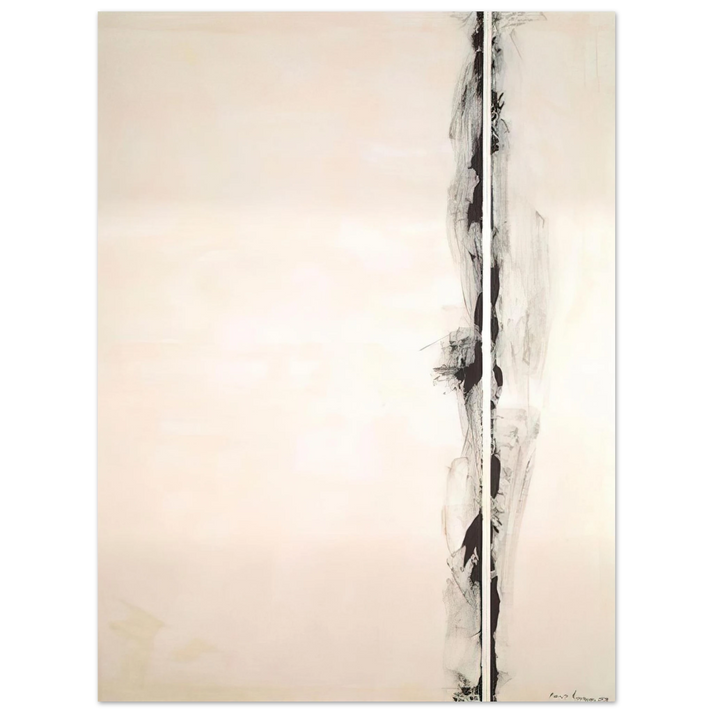
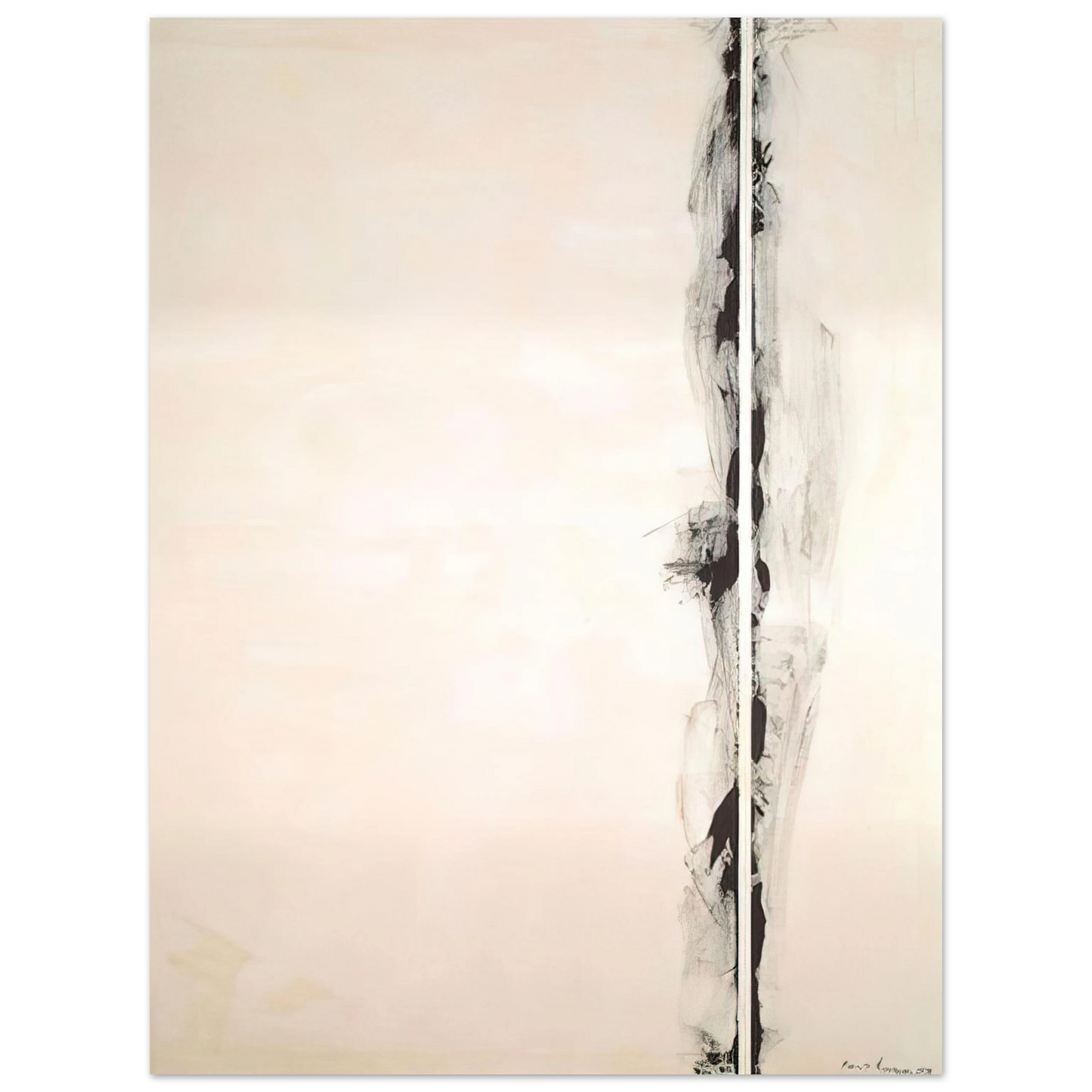
Barnett Newman - The Station of the Cross - First Station 75x100 cm / 30x40inches Fine Art Poster
Barnett Newman - The Station of the Cross - First Station 75x100 cm / 30x40inches Fine Art Poster
Couldn't load pickup availability
Experience the Existential Power of Barnett Newman’s First Station
Immerse yourself in the profound minimalism of Barnett Newman’s 'The Stations of the Cross - First Station'. This museum-quality reproduction captures the raw, spiritual urgency of Newman’s 1958 masterpiece. As the inaugural work in his legendary 14-part series, Lema Sabachthani (Why have you forsaken me?), this piece transcends mere abstraction to explore the universal human condition. Our fine art print preserves the stark contrast and precise 'zip'—Newman’s signature vertical element—that defines the space and creates a sense of monumental presence.
Archival Excellence for the Discerning Collector
At RedKalion, we believe a masterpiece deserves a canvas that endures. This 75x100 cm (30x40 inches) print is produced on Master's Edition archival paper. With a weight of 250 gsm (110 lb) and a thickness of 0.29 mm, the paper offers a luxurious, heavy-duty feel that mirrors the gravity of the artwork itself. The matte, uncoated finish provides a natural white, off-white tone that prevents glare, ensuring the deep blacks and subtle textures are visible from every angle in your gallery or home.
Museum-Grade Specifications
- Longevity: Acid-free paper with a pH above 7 to prevent yellowing or degradation over decades.
- Sustainability: Printed on FSC-certified paper, supporting responsible forest management.
- Texture: A sophisticated, natural white surface that enhances the depth of Newman's Color Field techniques.
- Craftsmanship: Each print is produced on demand with no minimum order requirements, ensuring a fresh, pristine finish for every collector.
By choosing this RedKalion reproduction, you are bringing a piece of art history into your environment. This is not just a poster; it is a meticulously crafted archival masterpiece designed to elevate your space with the intellectual and aesthetic rigor of one of the 20th century's most influential artists.
Discover Unlimited Art Possibilities
At RedKalion, you can find virtually any artwork from any artist, available in a wide range of sizes to perfectly match your space.
If you didn’t find what you’re looking for, contact us at support@redkalion.com . We will source any artwork and produce it in any size and format you need, including art prints, posters, canvas, framed pieces, framed canvas, and more.
For dedicated art enthusiasts, we also offer handcrafted replicas of any artwork, carefully painted by highly skilled artists using traditional techniques.
For custom requests, contact us at support@redkalion.com .
What makes this Barnett Newman print museum-quality?
Our prints use Master's Edition archival paper (250 gsm) with a matte, uncoated finish. This ensures the 30x40 inch reproduction maintains the textural integrity and depth of Newman's original work without the cheap glare of standard posters.
Is this reproduction color-accurate to the original First Station?
Yes. We use advanced printing technology on natural white, acid-free paper to capture the specific starkness and tonal variations of the 'First Station,' ensuring a faithful representation of the artist's original intent.
How will the matte finish affect the appearance of the artwork?
The matte finish provides a luxurious, non-reflective surface. This is essential for Barnett Newman’s work, as it allows the viewer to focus on the 'zip' and composition without distracting light reflections.
What are the shipping and fulfillment details?
RedKalion prints and ships on demand with no minimum order requirements. Each archival print is carefully packaged to ensure it arrives in gallery-ready condition, supported by our global fulfillment network.
How long will this fine art print last without fading?
Because we use acid-free paper with a pH above 7, your print is protected against yellowing and brittle aging. It is designed to remain vibrant and structurally sound for generations.
What is the meaning behind the 'Zip' in Newman's First Station?
The 'Zip' is a vertical line that Newman used to define the spatial structure of the painting. In the First Station, it represents a human presence and an existential cry against the void.
What series does the First Station belong to?
It is the first of 14 paintings in 'The Stations of the Cross: Lema Sabachthani' series, created between 1958 and 1966, focusing on the theme of suffering and the human condition.