RedKalion
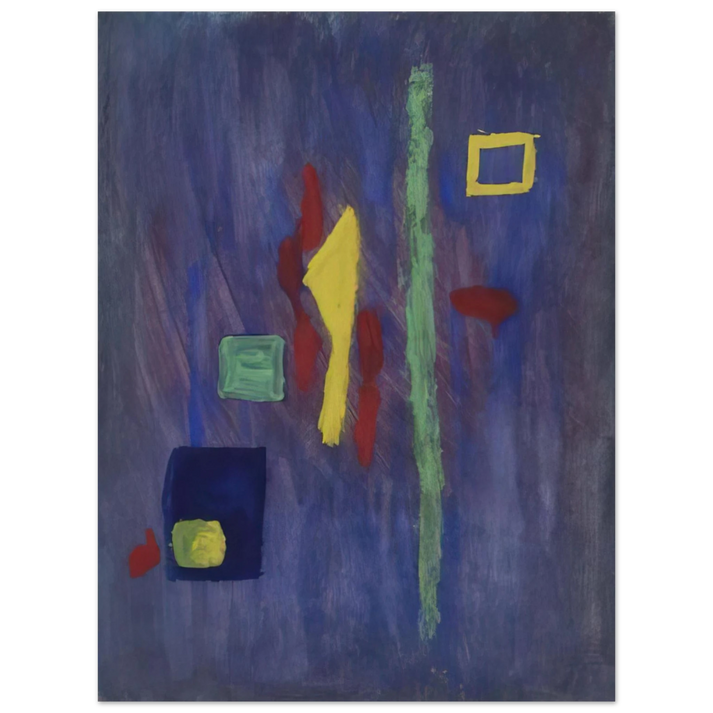
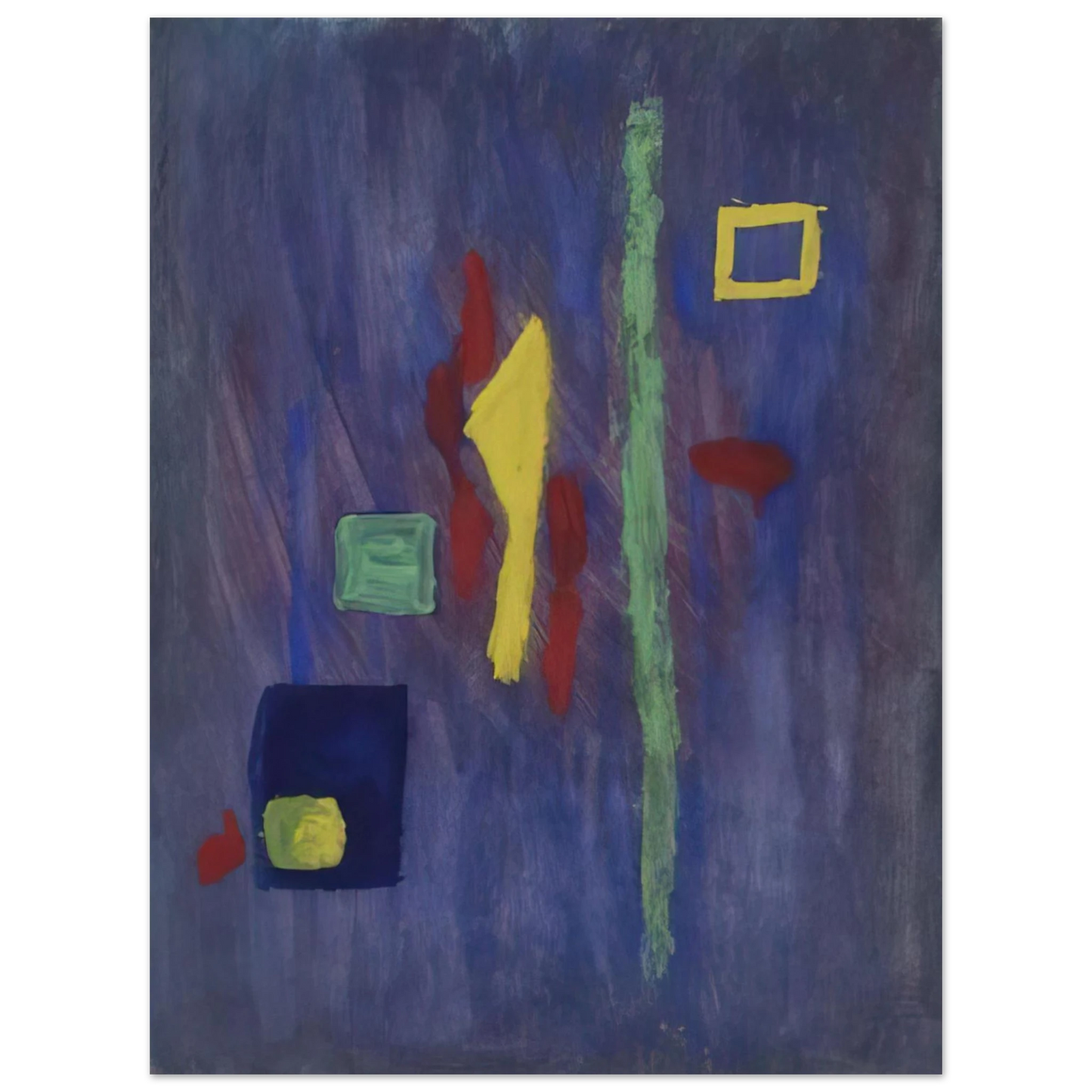
Barnett Newman - Untitled Red, Yellow and Green Forms on a Purple Ground 75x100 cm / 30x40inches Fine Art Poster
Barnett Newman - Untitled Red, Yellow and Green Forms on a Purple Ground 75x100 cm / 30x40inches Fine Art Poster
Couldn't load pickup availability
Elevate Your Space with Barnett Newman’s Color Field Mastery
Experience the profound resonance of the New York School with this Barnett Newman Untitled: Red, Yellow and Green Forms on a Purple Ground fine art print. As a titan of Abstract Expressionism, Newman sought to strip away the decorative to reach a level of spiritual and metaphysical purity. This specific composition, featuring vibrant verticality against a deep, velvety purple ground, exemplifies the artist's pursuit of the 'Sublime'—a sense of awe and presence that transforms any interior environment into a sanctuary of modern thought.
Museum-Quality Craftsmanship by RedKalion
At RedKalion, we curate more than just images; we provide archival legacy. This reproduction is meticulously rendered on our Master's Edition archival paper. Unlike standard posters, our museum-quality substrate features a matte, uncoated finish in a sophisticated natural white (off-white). This ensures that Newman's deliberate color interactions are viewed without distracting glare, preserving the integrity of the original pigments.
Technical Excellence and Material Authority
To ensure your investment endures for generations, we utilize materials that meet the highest international standards of preservation:
- Weight & Substance: A heavy 250 gsm (110 lb) paper weight that provides a premium, substantial feel.
- Archival Longevity: Acid-free (pH above 7) composition prevents yellowing and degradation over time.
- Precision Texture: A thickness of 0.29 mm (11.4 mils) ensures the print sits perfectly flat when framed.
- Sustainability: Proudly printed on FSC-certified paper, supporting responsible forest management.
Historical Context: The Language of Color
Barnett Newman's technique involved creating large, flat areas of color interrupted by what he termed "zips"—vertical bands that define the spatial structure of the work. In Untitled: Red, Yellow and Green Forms on a Purple Ground, the relationship between the slender vertical forms and the expansive purple field creates a rhythmic tension. By removing the traditional subject matter, Newman invites the viewer to experience the scale and color as an emotional event, making this 30x40 inch (75x100 cm) print a commanding focal point for the discerning collector.
Discover Unlimited Art Possibilities
At RedKalion, you can find virtually any artwork from any artist, available in a wide range of sizes to perfectly match your space.
If you didn’t find what you’re looking for, contact us at support@redkalion.com . We will source any artwork and produce it in any size and format you need, including art prints, posters, canvas, framed pieces, framed canvas, and more.
For dedicated art enthusiasts, we also offer handcrafted replicas of any artwork, carefully painted by highly skilled artists using traditional techniques.
For custom requests, contact us at support@redkalion.com .
What kind of paper is used for this Barnett Newman print?
We use Master's Edition archival paper. It is a museum-quality, natural white (off-white) paper with a luxurious matte finish, providing a glare-free viewing experience for Barnett Newman's vibrant color fields.
How long will the colors of this fine art reproduction last?
This print is archival-grade and acid-free (pH above 7). This museum-quality standard prevents the paper from yellowing or the ink from fading, ensuring the artwork remains pristine for decades.
How is the Barnett Newman poster shipped?
RedKalion prints are fulfilled on demand with no minimum order requirements. Each piece is securely packaged in durable, protective materials and shipped directly to your door to ensure it arrives in gallery condition.
Is the paper used for this artwork environmentally friendly?
Yes, all prints are produced on FSC-certified paper. This certification ensures that the wood pulp used in our museum-quality paper is sourced from responsibly managed forests that provide environmental and social benefits.
What is the texture and finish of the Master's Edition paper?
The 250 gsm (110 lb) paper features a thickness of 0.29 mm and an uncoated, matte finish. This provides a tactile, premium feel and a sophisticated aesthetic that eliminates reflections.
What is the significance of Barnett Newman's Color Field style?
Newman was a pioneer of the Color Field movement, moving away from gestural brushwork toward flat, expansive areas of color to evoke a sense of the transcendental and the sublime in the viewer.
How should I interpret the forms in this untitled work?
Rather than representing physical objects, the red, yellow, and green forms act as spatial anchors. They create a sense of scale and human presence against the infinite void of the purple background.