

RedKalion
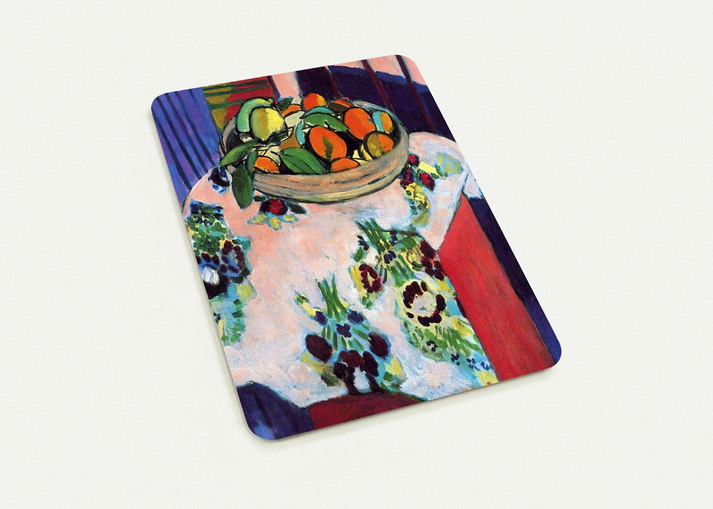
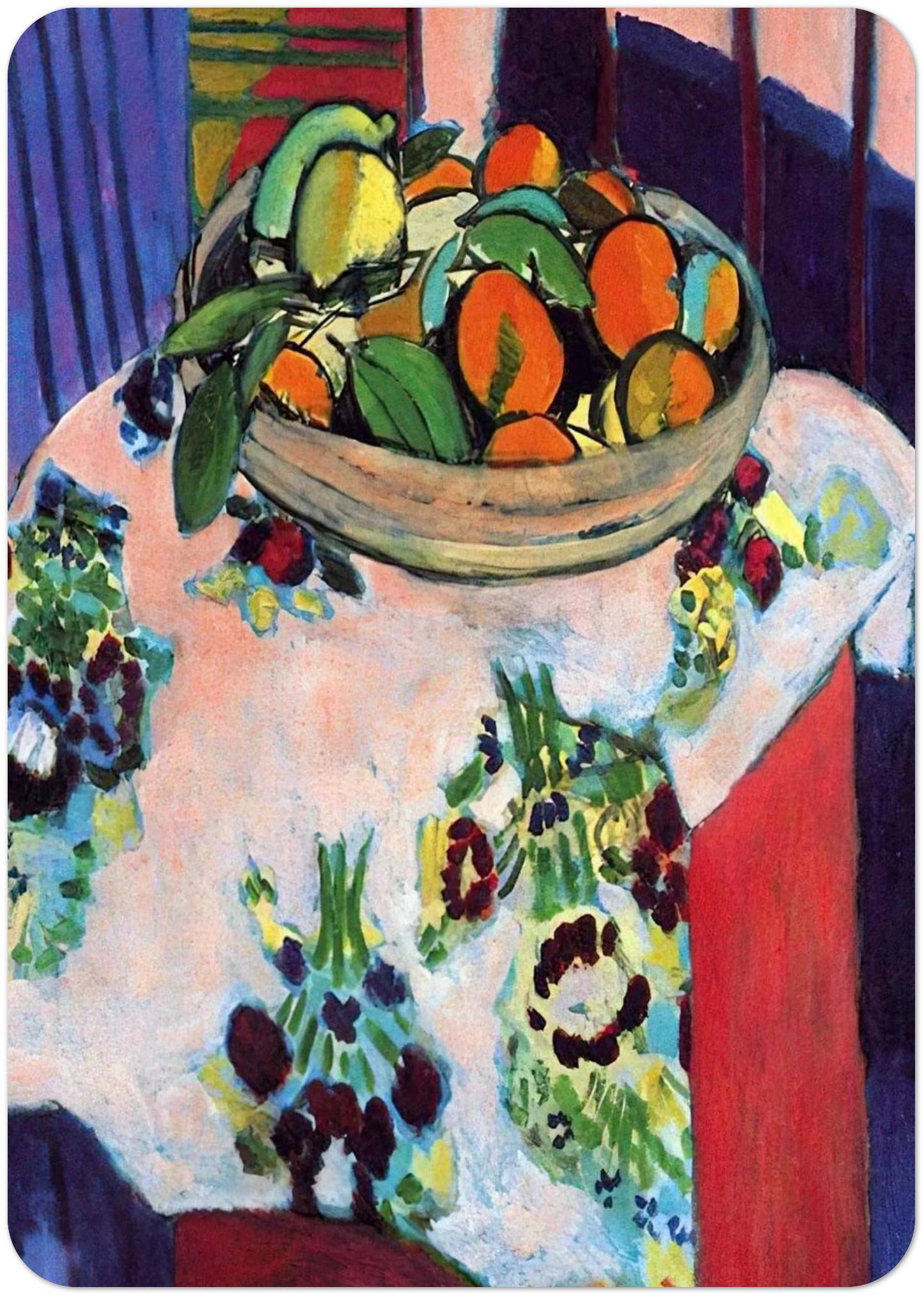
BASKET WITH ORANGES 1913 By Henri Matisse Pack of 10 Post Cards | Henri Matisse Post Cards | A6 (10.5 x 14.8 cm) - 4.1 x 5.8 inches
BASKET WITH ORANGES 1913 By Henri Matisse Pack of 10 Post Cards | Henri Matisse Post Cards | A6 (10.5 x 14.8 cm) - 4.1 x 5.8 inches
Couldn't load pickup availability
Elevate Your Correspondence with Henri Matisse’s 'Basket with Oranges' (1913)
Experience the vibrant spirit of early 20th-century modernism with this premium pack of 10 postcards featuring Henri Matisse’s 'Basket with Oranges' (1913). Captured during a pivotal moment in Matisse's career, this still life exemplifies his transition from the raw intensity of Fauvism toward a more structured, yet equally radiant, decorative style. The composition’s rhythmic arrangement and bold chromatic choices reflect Matisse’s mastery of light and form, making these cards a sophisticated choice for any occasion.
Museum-Quality Reproductions by RedKalion
At RedKalion, we bridge the gap between historical masterpiece and personal connection. Unlike standard 4-color commercial prints, our postcards utilize advanced 12-color fine art printing technology. This process ensures that the deep ochres, fiery oranges, and subtle shadows of Matisse’s original canvas are rendered with breathtaking accuracy and stunning depth. Each card is a miniature gallery-grade reproduction designed to endure.
Premium Specifications for the Discerning Collector
- Exquisite Color Vibrancy: 12-color archival ink system for unmatched tonal fidelity.
- Sophisticated Finish: A smooth matte coating provides a glare-free surface, highlighting the painterly textures of the 1913 original.
- Substantial Weight: Printed on 200 gsm (80 lb) paper with a thickness of 0.26 mm (10.3 mils) for a premium tactile feel.
- Eco-Conscious Curation: Responsibly produced on FSC-certified paper, aligning artistic beauty with environmental integrity.
- Perfect Dimensions: Each card measures A6 (10.5 x 14.8 cm / 4.1 x 5.8 inches), ideal for framing or mailing.
Whether you are sharing a thoughtful message or curating a small corner of your home, these Matisse postcards offer an archival-quality encounter with one of art history’s most influential figures. Elevate your space and your sentiments with a touch of French modernism that transcends time.


Discover Unlimited Art Possibilities
At RedKalion, you can find virtually any artwork from any artist, available in a wide range of sizes to perfectly match your space.
If you didn’t find what you’re looking for, contact us at support@redkalion.com . We will source any artwork and produce it in any size and format you need, including art prints, posters, canvas, framed pieces, framed canvas, and more.
For dedicated art enthusiasts, we also offer handcrafted replicas of any artwork, carefully painted by highly skilled artists using traditional techniques.
For custom requests, contact us at support@redkalion.com .
What makes the print quality of these Matisse postcards unique?
We use 12-color fine art printing technology, which provides significantly more color depth and accuracy than standard 4-color inkjet processes, capturing the true essence of Matisse's 1913 palette.
What is the weight and feel of the postcard paper?
Each card is printed on 200 gsm (80 lb) paper with a 0.26 mm thickness. It features a smooth matte finish, ensuring a premium, glare-free tactile experience for recipients and collectors.
Is the paper used for these postcards environmentally friendly?
Yes, RedKalion is committed to sustainability. All our fine art postcards are printed on FSC-certified paper, ensuring the materials are sourced from responsibly managed forests.
Will the colors on these postcards fade over time?
No, we utilize archival-grade inks and high-quality matte paper. Our 12-color printing process is designed for longevity, ensuring the vibrant oranges and deep tones remain vivid for years.
Are these postcards available in other sizes?
While this pack contains 10 A6 postcards, RedKalion offers this Matisse masterpiece in a variety of sizes and formats to suit any frame or interior design requirement.
What is the historical significance of 'Basket with Oranges' (1913)?
Created in 1913, this work represents Matisse’s move toward 'decorative' harmony. It reflects the influence of his travels to Morocco, focusing on the rhythmic balance of color and simplified forms.
Why did Matisse focus on still life subjects like oranges?
For Matisse, still lifes were vehicles for exploring pure color relationships and light. Oranges allowed him to experiment with high-saturation pigments and the emotional impact of bright, warm tones.