

RedKalion
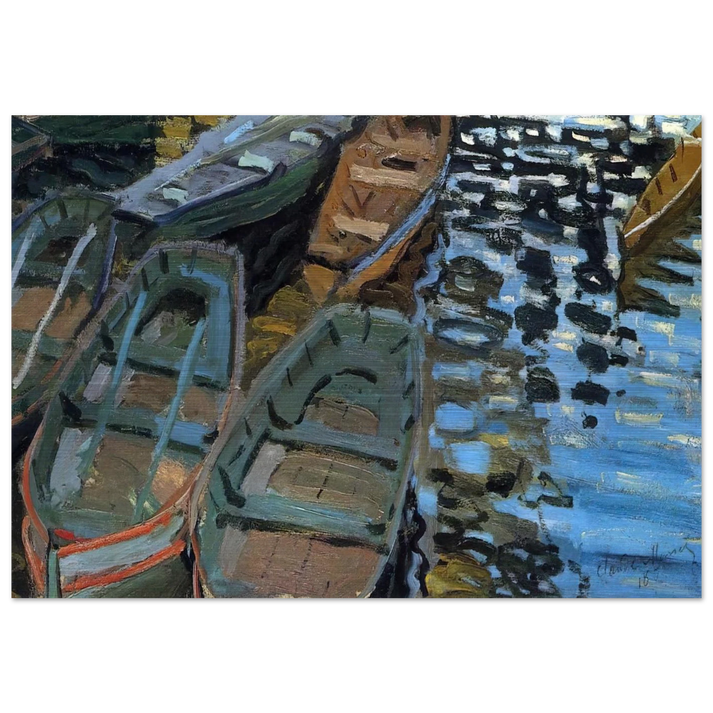
Bathers at La Grenouillere - claude monet Brushed Aluminum Print - 70x100 cm / 28x40 inches | claude monet Aluminum Print | claude monet Prints
Bathers at La Grenouillere - claude monet Brushed Aluminum Print - 70x100 cm / 28x40 inches | claude monet Aluminum Print | claude monet Prints
Couldn't load pickup availability
Experience the Radiance of Monet’s Seine on Aluminum
In the summer of 1869, Claude Monet worked alongside Renoir at La Grenouillère, a popular boating and bathing resort on the Seine. This period marked the birth of Impressionism, where Monet captured the ephemeral nature of light and reflection with rapid, broken brushstrokes. This museum-quality reproduction of Bathers at La Grenouillere brings that historical mastery into the modern age.
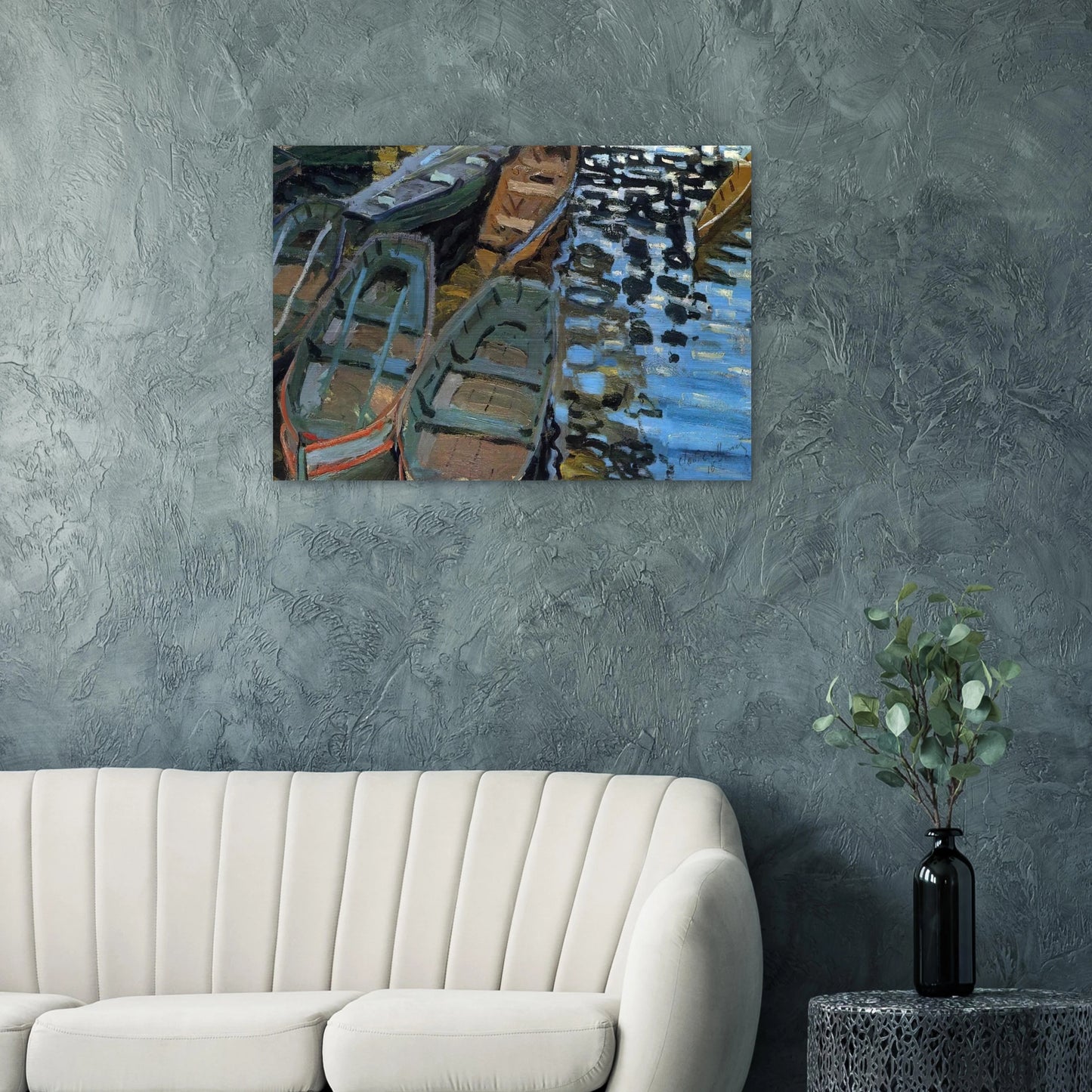
At RedKalion, we have selected Brushed silver Aluminum DIBOND® as the definitive canvas for this masterpiece. This 3mm (0.12") thick material features a distinct horizontal grain that creates a breathtaking synergy with Monet’s watery subject matter. The metallic grain interacts with ambient light, mimicking the gentle ripples of the river Seine and adding a multidimensional depth to your wall decor.
Our printing process utilizes direct-to-surface technology, resulting in a matte, glare-free finish that is ideal for sophisticated interiors. In areas where the original painting features white or light highlights, the brushed silver surface is left unprinted, allowing the raw metallic shimmer to shine through. This creates a striking contrast against the rich greens and deep blues of the Claude Monet Aluminum Print.
- Exquisite Material: 3mm Aluminum DIBOND® with a brushed silver metallic finish for a contemporary, rigid aesthetic.
- Dynamic Texture: The horizontal grain of the metal adds movement to the Impressionist brushwork.
- Archival Longevity: Built to endure, this print is resistant to fading and maintains its vivid color profile over time.
- Ready to Display: Each 70x100 cm print includes a specialized hanging kit tailored to your location.
Elevate your space with an archival masterpiece that endures. RedKalion’s commitment to quality ensures that this Claude Monet print serves as a focal point of sophistication, blending 19th-century vision with 21st-century material innovation.


Discover Unlimited Art Possibilities
At RedKalion, you can find virtually any artwork from any artist, available in a wide range of sizes to perfectly match your space.
If you didn’t find what you’re looking for, contact us at support@redkalion.com . We will source any artwork and produce it in any size and format you need, including art prints, posters, canvas, framed pieces, framed canvas, and more.
For dedicated art enthusiasts, we also offer handcrafted replicas of any artwork, carefully painted by highly skilled artists using traditional techniques.
For custom requests, contact us at support@redkalion.com .
What material is used for this Claude Monet print?
This print is crafted on 3mm Brushed silver Aluminum DIBOND®, a premium material known for its rigidity and unique metallic finish, perfect for high-end art reproductions.
How does the metallic silver effect work?
Any white or unpainted areas in the design are not printed, allowing the brushed silver aluminum grain to show through, creating a dynamic metallic luster.
Is the hanging hardware included with the print?
Yes, each RedKalion aluminum print comes with a specialized hanging kit. The specific kit provided depends on the fulfillment country to ensure easy installation.
What is the archival quality of an Aluminum DIBOND® print?
These prints are highly durable and archival-grade. The AluDibond material and matte finish protect against fading, making it a long-lasting investment for your collection.
Does the surface produce glare in sunlight?
No, the print features a matte, glare-free finish. This ensures the artwork remains visible and stunning even in rooms with high natural light or bright spotlights.
Why is 'Bathers at La Grenouillere' significant in art history?
This 1869 piece is considered a cornerstone of Impressionism. It highlights Monet's early experiments with capturing light reflections on water using rapid, visible brushstrokes.
What distinguishes Monet’s version of this scene from Renoir’s?
While both painted the same scene simultaneously, Monet’s version focuses more on the landscape's structure and the broad patterns of light on the water's surface.