

RedKalion
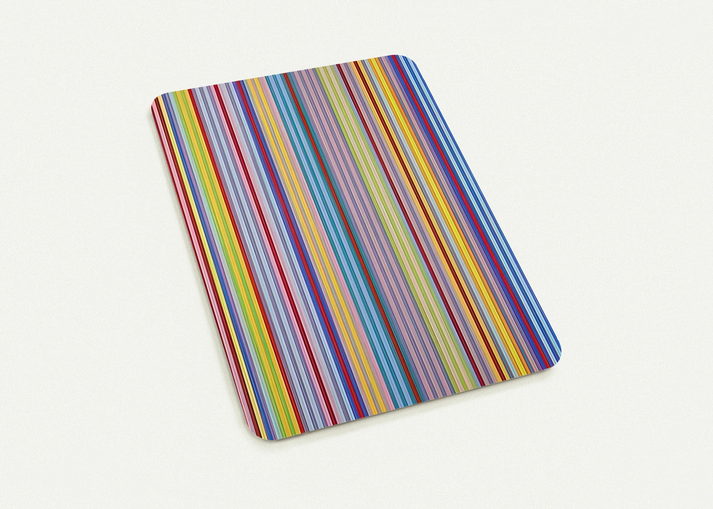
Battle for Grownups - 1970 By Gene Davis Pack of 10 Post Cards | Gene Davis Post Cards | A6 (10.5 x 14.8 cm) - 4.1 x 5.8 inches
Battle for Grownups - 1970 By Gene Davis Pack of 10 Post Cards | Gene Davis Post Cards | A6 (10.5 x 14.8 cm) - 4.1 x 5.8 inches
Couldn't load pickup availability
Elevate Your Correspondence with Gene Davis’s Rhythmic Color Fields
Step into the vibrant world of the Washington Color School with this exquisite pack of 10 postcards featuring Battle for Grownups (1970) by the legendary Gene Davis. As a pioneer of post-painterly abstraction, Davis redefined the canvas through his signature vertical stripes, creating an optical rhythm that vibrates with energy and sophistication. This piece, a seminal work from the height of his career, showcases a complex interplay of chromatic intervals that challenge the viewer's perception of space and time.
Museum-Quality Reproductions by RedKalion
At RedKalion, we bridge the gap between historical masterpiece and modern lifestyle. These postcards are not mere stationery; they are archival-grade miniatures crafted for the discerning collector. Utilizing our proprietary 12-color fine art printing technology, we achieve a depth of color and accuracy that standard 4-color printing cannot replicate. Every stripe in Battle for Grownups is rendered with stunning precision, capturing the artist's original intent.
Technical Specifications for the Art Connoisseur
- Premium Paper: Printed on 200 gsm (80 lb) FSC-certified paper, ensuring a substantial, high-quality feel.
- Sophisticated Finish: A smooth matte finish provides a clean, glare-free display, allowing the colors to speak for themselves.
- Durability: At a thickness of 0.26 mm (10.3 mils), these cards are designed to endure, whether sent through the mail or displayed in a frame.
- Sustainable Excellence: Our commitment to the environment is reflected in our use of eco-friendly, responsibly sourced materials.
Whether you are a devotee of 1970s minimalism or seeking a refined way to share a sentiment, these Gene Davis postcards offer a unique opportunity to own a piece of art history. Elevate your space or your message with an archival masterpiece that endures.


Discover Unlimited Art Possibilities
At RedKalion, you can find virtually any artwork from any artist, available in a wide range of sizes to perfectly match your space.
If you didn’t find what you’re looking for, contact us at support@redkalion.com . We will source any artwork and produce it in any size and format you need, including art prints, posters, canvas, framed pieces, framed canvas, and more.
For dedicated art enthusiasts, we also offer handcrafted replicas of any artwork, carefully painted by highly skilled artists using traditional techniques.
For custom requests, contact us at support@redkalion.com .
What makes the printing quality of these Gene Davis postcards unique?
We use advanced 12-color fine art printing technology. This delivers vivid, accurate colors and stunning depth that far surpasses standard 4-color inkjet printing, ensuring the integrity of Davis's complex color relationships is preserved.
What type of paper is used for this postcard set?
These cards are printed on 200 gsm (80 lb) FSC-certified paper with a smooth matte finish. This provides a premium, glare-free surface that is both durable and elegant to the touch.
What are the exact dimensions of these postcards?
Each card in this pack of 10 is A6 size, measuring exactly 10.5 x 14.8 cm (4.1 x 5.8 inches), making them perfect for standard mailing or small decorative frames.
Is the paper used for these prints environmentally friendly?
Yes. RedKalion prioritizes sustainability by using FSC-certified paper, ensuring that your fine art postcards are produced using environmentally conscious and responsibly sourced materials.
How are these postcards produced and shipped?
Our postcards are printed on demand with no minimum orders. This ensures every pack meets our rigorous quality standards before being shipped directly to you, reducing waste and ensuring archival quality.
Who was Gene Davis and what was his contribution to art?
Gene Davis was a central figure in the Washington Color School. He is renowned for his vertical stripe paintings, which use 'color intervals' to create a sense of rhythm and optical movement.
What is the significance of the vertical stripes in "Battle for Grownups" (1970)?
The stripes in this 1970 masterpiece create a temporal experience, forcing the eye to move across the canvas like reading a musical score, a technique Davis perfected to explore the physics of color.