RedKalion
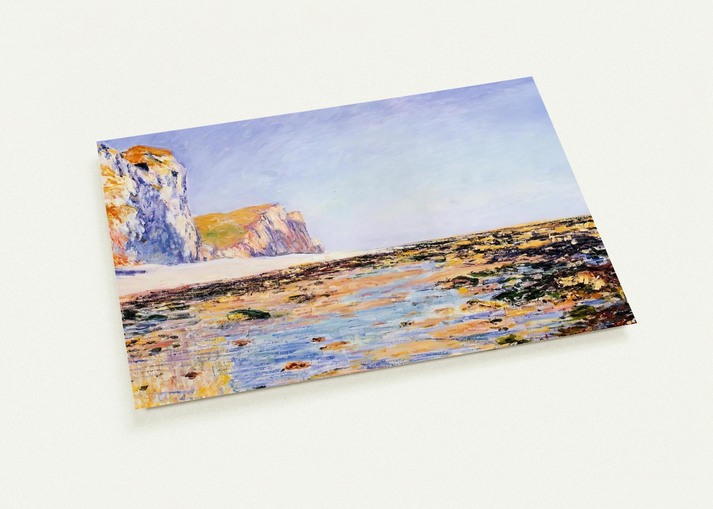
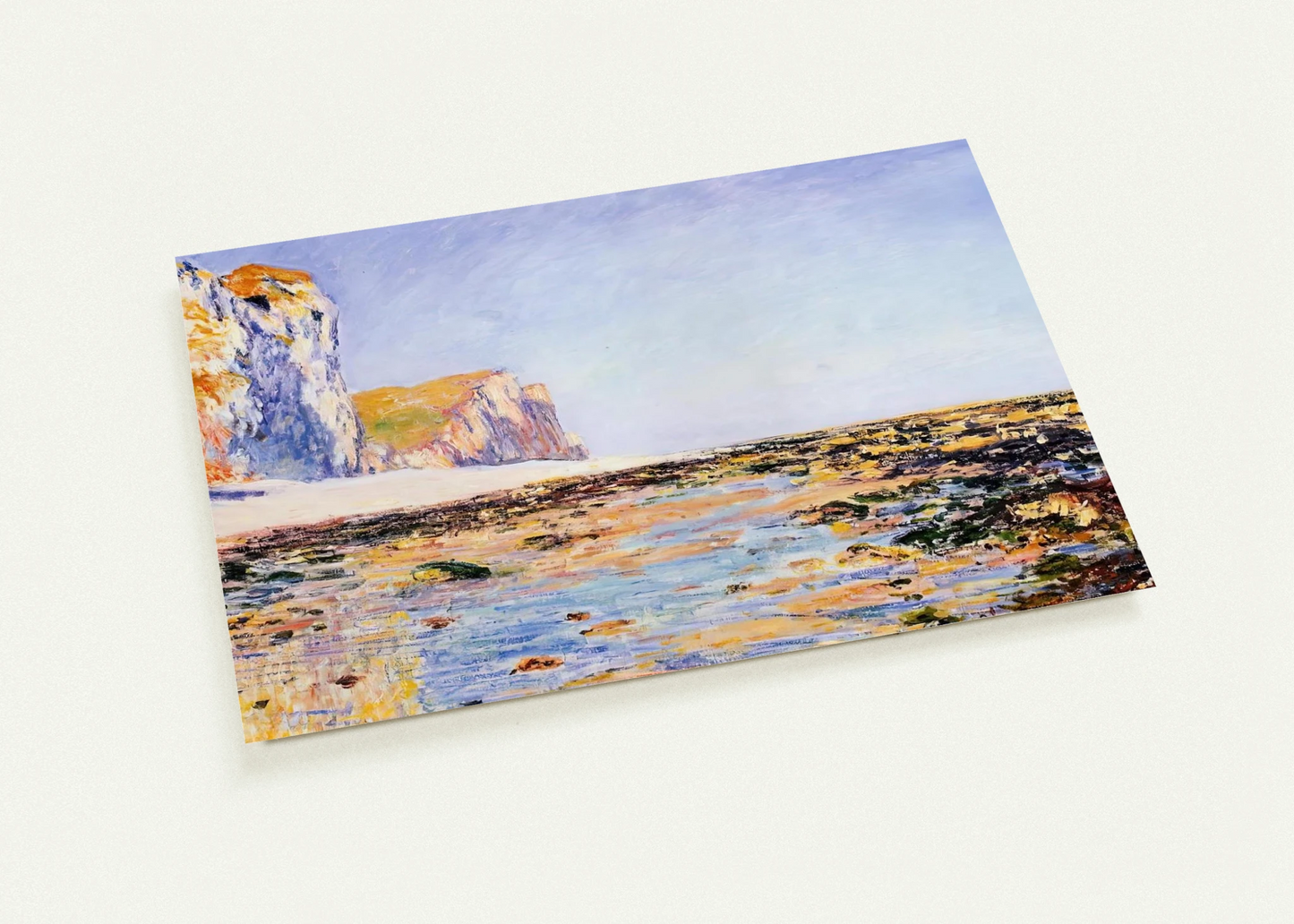
Beach and Cliffs at Pourville, Morning Effect By claude monet Pack of 10 Post Cards | claude monet Post Cards | A6 (10.5 x 14.8 cm) - 4.1 x 5.8 inches
Beach and Cliffs at Pourville, Morning Effect By claude monet Pack of 10 Post Cards | claude monet Post Cards | A6 (10.5 x 14.8 cm) - 4.1 x 5.8 inches
Couldn't load pickup availability
Capture the Transience of Light with Monet’s Pourville Masterpiece
Elevate your personal correspondence or home gallery with this exquisite pack of 10 postcards featuring Claude Monet’s "Beach and Cliffs at Pourville, Morning Effect." Painted in 1882 during one of Monet's productive residencies in Normandy, this work is a quintessential example of Impressionism, capturing the fleeting nuances of early morning light as it dances across the chalk cliffs and the rhythmic waves of the English Channel.
Museum-Quality Reproductions by RedKalion
At RedKalion, we believe fine art should be accessible without compromising on technical excellence. These A6 (10.5 x 14.8 cm) fine art prints are produced using state-of-the-art 12-color printing technology. Unlike standard 4-color inkjet processes, our method ensures breathtaking color vibrancy and depth, faithfully rendering Monet's delicate palette of soft pinks, pale blues, and verdant cliff-side greens.
Premium Specifications for the Discerning Collector
- Exceptional Paper: Each card is printed on 200 gsm (80 lb) paper with a thickness of 0.26 mm (10.3 mils), providing a substantial, premium feel.
- Sophisticated Finish: A smooth matte finish ensures a clean, glare-free display, making these cards perfect for framing or sending.
- Eco-Conscious Curation: We utilize FSC-certified paper, ensuring your appreciation for art aligns with environmental responsibility.
- Archival Durability: Designed to endure, our archival-grade materials prevent fading, preserving the morning glow of Pourville for years to come.
Whether used as a sophisticated sentiment for a loved one or displayed as a cohesive set of mini-prints, these Claude Monet postcards bring a touch of the 19th-century avant-garde into the modern home. Experience the RedKalion difference—where museum-grade quality meets the intimacy of a handwritten note.
Discover Unlimited Art Possibilities
At RedKalion, you can find virtually any artwork from any artist, available in a wide range of sizes to perfectly match your space.
If you didn’t find what you’re looking for, contact us at support@redkalion.com . We will source any artwork and produce it in any size and format you need, including art prints, posters, canvas, framed pieces, framed canvas, and more.
For dedicated art enthusiasts, we also offer handcrafted replicas of any artwork, carefully painted by highly skilled artists using traditional techniques.
For custom requests, contact us at support@redkalion.com .
What makes the printing quality of these Claude Monet postcards superior?
RedKalion utilizes 12-color fine art printing technology, which provides significantly more color depth and accuracy than standard 4-color printers, capturing every subtle hue in Monet's morning light.
What is the texture and weight of the postcard paper?
These postcards are printed on premium 200 gsm (80 lb) paper with a smooth matte finish, offering a thick, glare-free surface that feels substantial and luxurious.
Are these postcards environmentally friendly?
Yes, all our Claude Monet fine art prints are produced on FSC-certified paper, ensuring the materials are sourced from responsibly managed forests.
How long does it take for my order to be processed?
To maintain high standards and reduce waste, our postcards are printed on demand. They are typically processed and ready for shipment shortly after your order is placed.
Can these A6 postcards be used for framing?
Absolutely. The 10.5 x 14.8 cm size and museum-quality finish make them ideal for creating a curated gallery wall or for placement in standard A6 frames.
Where was "Beach and Cliffs at Pourville" originally painted?
Claude Monet painted this scene in Pourville-sur-Mer, a small seaside resort in Normandy, France, where he was fascinated by the dramatic cliffs and changing tides.
What does the term "Morning Effect" signify in the artwork title?
"Morning Effect" refers to Monet's practice of capturing specific atmospheric conditions at a precise time of day, focusing on how early sunlight transforms the colors of the landscape.