

RedKalion
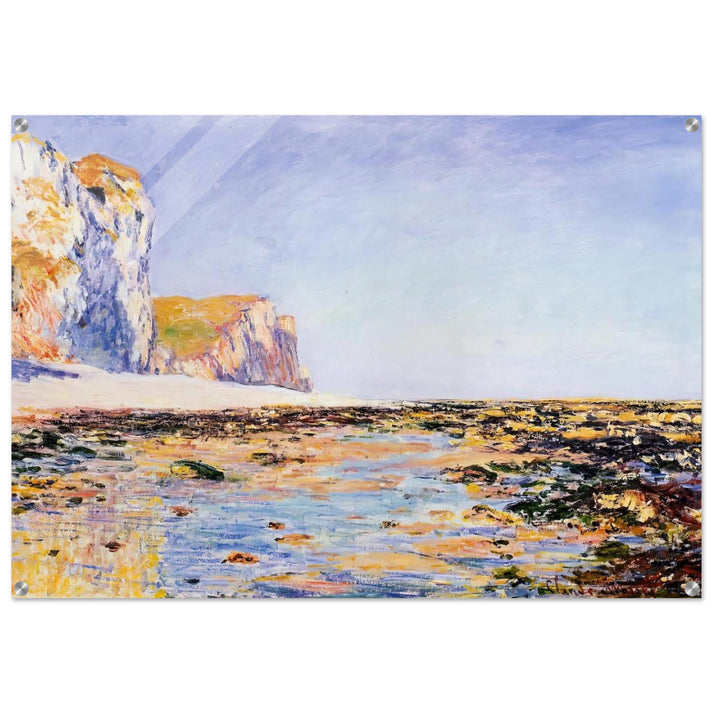
Beach and Cliffs at Pourville, Morning Effect - claude monet Acrylic Print - 70x100 cm / 28x40″ inches
Beach and Cliffs at Pourville, Morning Effect - claude monet Acrylic Print - 70x100 cm / 28x40″ inches
Couldn't load pickup availability
An Impressionist Sanctuary: Beach and Cliffs at Pourville, Morning Effect
Experience the ephemeral beauty of the Normandy coast through the eyes of the master Impressionist, Claude Monet. Painted in 1882, Beach and Cliffs at Pourville, Morning Effect is a sublime exploration of light, atmosphere, and the passage of time. This museum-quality reproduction captures the delicate interplay of soft morning hues—pinks, pale blues, and verdant greens—that Monet so meticulously documented during his stay in Pourville-sur-Mer.
As an elite curator of fine art prints, RedKalion ensures that every detail of Monet's broken brushwork is preserved with startling clarity. The cliffside, often a symbol of permanence, is softened here by the hazy, moisture-rich air of the early morning, creating a sense of tranquil movement that transforms any interior space into a gallery of contemplative peace.
The RedKalion Standard: Museum-Quality Acrylic Craftsmanship
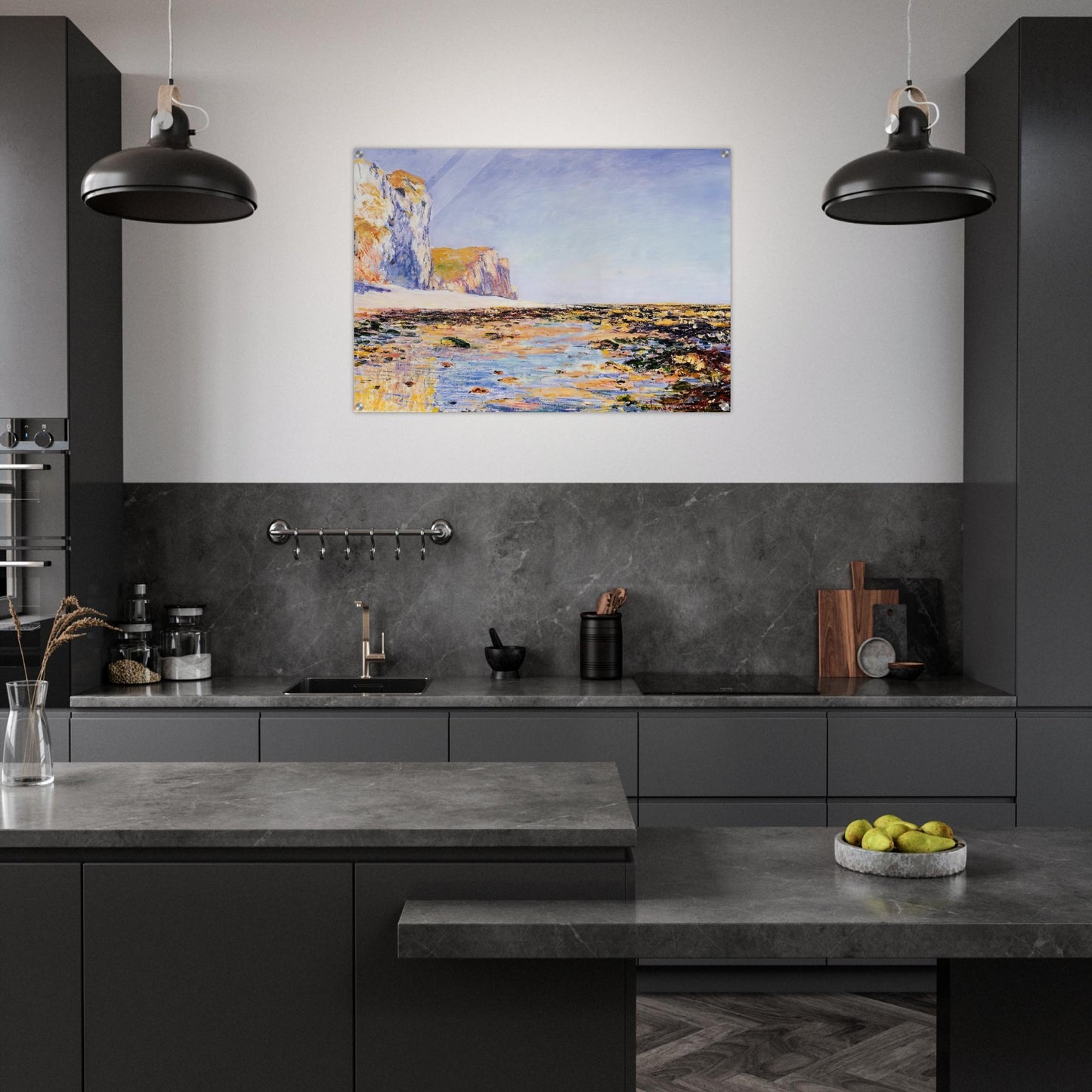
This 70x100 cm (28x40″) masterpiece is not a simple poster; it is a premium fine art print presented on 4mm (0.15") high-grade acrylic. This medium is chosen specifically to enhance the luminosity of Monet's palette, providing a depth and vibrancy that traditional paper cannot achieve. The sleek, straight-cut corners and high-gloss finish lend a modern, sophisticated aesthetic to this timeless 19th-century landscape.
- Material: 4mm (0.15") archival-grade acrylic for a vibrant, long-lasting finish.
- Visual Depth: Transparent backgrounds default to white, ensuring the subtle shifts in Monet's sky and sea are rendered with absolute fidelity.
- Installation: Includes a premium hanging kit with four screws and pre-drilled holes (14mm from edges) for a secure, professional mount.
- Durability: Highly durable and resistant to fading, designed to remain a centerpiece for generations.
By choosing a RedKalion reproduction, you are investing in an archival masterpiece that honors the legacy of Claude Monet while utilizing modern material science to ensure your art endures.


Discover Unlimited Art Possibilities
At RedKalion, you can find virtually any artwork from any artist, available in a wide range of sizes to perfectly match your space.
If you didn’t find what you’re looking for, contact us at support@redkalion.com . We will source any artwork and produce it in any size and format you need, including art prints, posters, canvas, framed pieces, framed canvas, and more.
For dedicated art enthusiasts, we also offer handcrafted replicas of any artwork, carefully painted by highly skilled artists using traditional techniques.
For custom requests, contact us at support@redkalion.com .
What material is used for this Claude Monet reproduction?
This print is crafted on 4mm (0.15") premium acrylic, which provides a sleek, high-gloss finish that enhances the vibrant colors and depth of Monet's original brushwork.
How do I hang the Beach and Cliffs at Pourville acrylic print?
Your print includes a comprehensive hanging kit with four screws. The acrylic features pre-drilled 8mm holes in each corner, positioned 14mm from the edge for a stable, modern display.
What are the shipping logistics for this large fine art print?
RedKalion employs rigorous protective packaging to ensure your 70x100 cm print arrives in pristine condition. All shipments are tracked and insured for your peace of mind.
How does the acrylic finish affect the colors of Monet's palette?
Acrylic is prized for its ability to refract light, which amplifies the luminosity of Monet's 'Morning Effect,' making the soft pastels and cool shadows appear more vivid and lifelike.
Will this archival reproduction fade over time?
No, our museum-quality acrylic prints are designed for archival longevity. The materials are UV-resistant, ensuring that the delicate coastal colors remain vibrant for decades without yellowing.
What is the significance of the "Morning Effect" in this painting?
Monet was obsessed with 'the envelope'—the atmosphere surrounding subjects. 'Morning Effect' refers to his study of how specific early light conditions at Pourville altered the perception of the cliffs.
Where did Claude Monet paint this specific landscape?
Monet painted this series at Pourville-sur-Mer in Normandy, France, during 1882. He was captivated by the area's dramatic chalk cliffs and the ever-changing tides of the English Channel.