

RedKalion
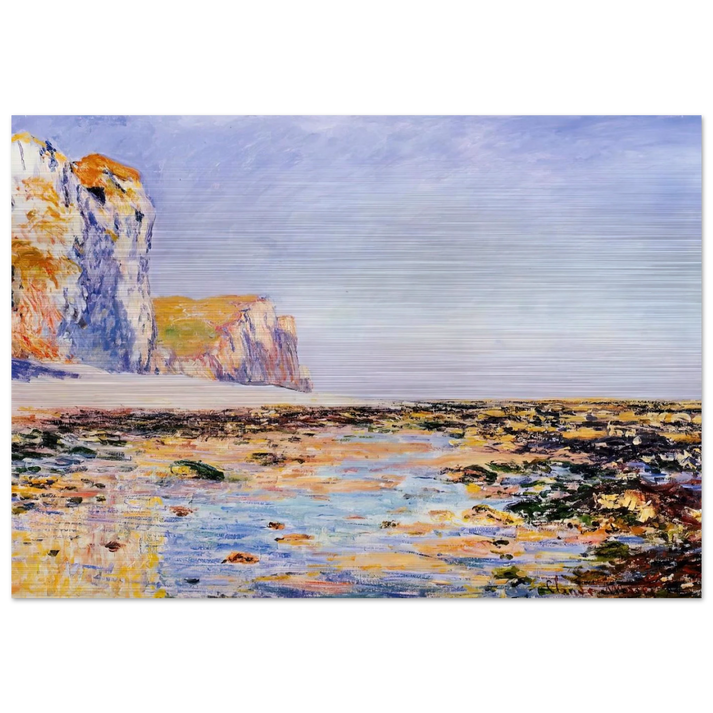
Beach and Cliffs at Pourville, Morning Effect - claude monet Brushed Aluminum Print - 70x100 cm / 28x40 inches | claude monet Aluminum Print | claude monet Prints
Beach and Cliffs at Pourville, Morning Effect - claude monet Brushed Aluminum Print - 70x100 cm / 28x40 inches | claude monet Aluminum Print | claude monet Prints
Couldn't load pickup availability
Experience the Ethereal Light of Claude Monet’s Normandy
In 1882, Claude Monet spent several months in Pourville-sur-Mer, captivated by the rhythmic interplay of the tides and the shifting luminosity of the French coast. "Beach and Cliffs at Pourville, Morning Effect" is a masterful testament to the Impressionist movement, capturing the precise moment where the soft dawn light begins to dissolve the morning mist over the English Channel.
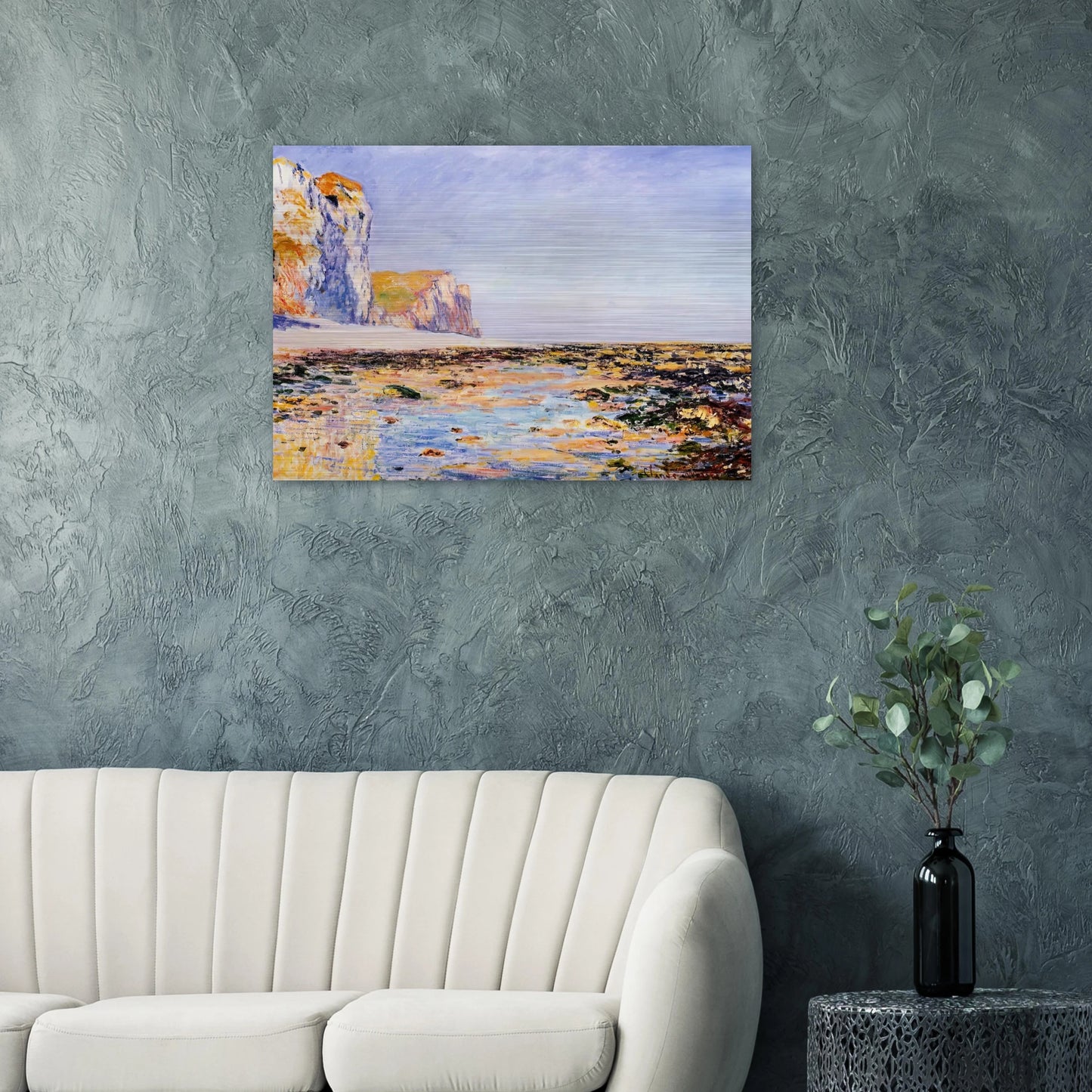
At RedKalion, we elevate this iconic masterpiece through a contemporary medium: Brushed Silver Aluminum DIBOND®. This museum-quality reproduction doesn't just display the image; it interacts with your environment. The horizontal grain of the 3mm (0.12") aluminum base mimics the organic movement of the sea, while the metallic finish provides a depth that traditional canvas simply cannot achieve.
This 70x100 cm (28x40 inches) fine art print is a sophisticated choice for collectors seeking a balance between historical significance and modern industrial design.
- Dynamic Visual Depth: The unprinted white areas of the composition reveal the raw, brushed silver surface, allowing Monet’s morning sky and waves to shimmer with authentic metallic luster.
- Sophisticated Matte Finish: Our direct-to-surface printing ensures vivid color saturation without the distraction of glare, perfect for rooms with high natural light or contemporary gallery lighting.
- Archival Durability: Engineered for longevity, the rigid 3mm dibond base is both lightweight and exceptionally durable, ensuring your investment remains a centerpiece for decades.
Elevate your space with an archival masterpiece that endures. Every RedKalion print is a tribute to art history, crafted with the precision required by the world's most discerning curators.


Discover Unlimited Art Possibilities
At RedKalion, you can find virtually any artwork from any artist, available in a wide range of sizes to perfectly match your space.
If you didn’t find what you’re looking for, contact us at support@redkalion.com . We will source any artwork and produce it in any size and format you need, including art prints, posters, canvas, framed pieces, framed canvas, and more.
For dedicated art enthusiasts, we also offer handcrafted replicas of any artwork, carefully painted by highly skilled artists using traditional techniques.
For custom requests, contact us at support@redkalion.com .
What makes the brushed aluminum finish unique for this Claude Monet print?
The brushed silver Aluminum DIBOND® features a horizontal grain that catches the light. Unlike paper, the metallic surface allows white areas of Monet's "Morning Effect" to shine with a silver sheen, creating a dynamic, living fine art print.
Is the hanging hardware included with the 70x100 cm print?
Yes, every RedKalion aluminum print comes with a specialized hanging kit. The specific mounting system varies by fulfillment country to ensure the most secure and aesthetic installation for your museum-quality reproduction.
How does the matte finish affect the appearance of the artwork?
The matte, glare-free finish is ideal for Claude Monet’s Impressionist style. It prevents reflections from windows or lamps, allowing you to appreciate the subtle color transitions of the Pourville cliffs without visual interference.
What is the archival longevity of an AluDibond reproduction?
Aluminum DIBOND® is renowned for its durability and rigidity. It is resistant to fading and environmental factors, making it an archival-grade choice for collectors looking for a long-lasting, museum-quality Claude Monet print.
How does RedKalion ensure the quality of the direct print?
We utilize advanced direct-to-substrate printing technology. This ensures the ink bonds perfectly with the 3mm aluminum base, resulting in vivid colors and sharp details that maintain the integrity of Monet's original brushwork.
When did Claude Monet paint Beach and Cliffs at Pourville, Morning Effect?
Monet painted this piece in 1882 during a productive stay in Normandy. It is part of a series where he explored the Pourville cliffs at different times of day to study the atmospheric effects of light.
What is the significance of the "Morning Effect" in this artwork?
The "Morning Effect" refers to Monet's focus on specific atmospheric conditions. He used a palette of soft blues, pinks, and grays to capture the diffused light and coastal humidity at daybreak.