

RedKalion
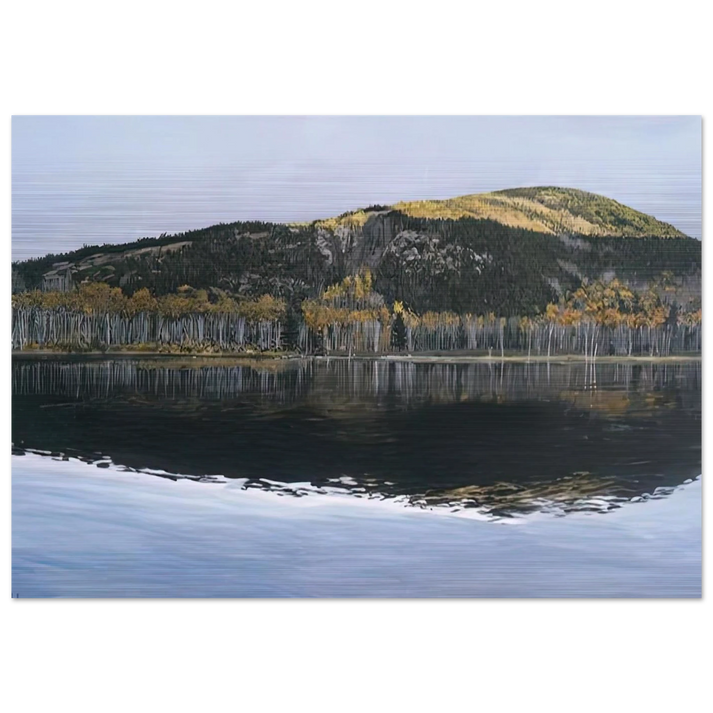
BEAVER DAM POND ACADIA NATIONAL PARK 2009 - Richard Estes Brushed Aluminum Print - 70x100 cm / 28x40 inches | Richard Estes Aluminum Print | Richard Estes Prints
BEAVER DAM POND ACADIA NATIONAL PARK 2009 - Richard Estes Brushed Aluminum Print - 70x100 cm / 28x40 inches | Richard Estes Aluminum Print | Richard Estes Prints
Couldn't load pickup availability
The Mastery of Photorealism: Richard Estes’ Beaver Dam Pond
Richard Estes, the preeminent figure of the American Photorealist movement, captures the serene complexity of Beaver Dam Pond, Acadia National Park (2009) with unparalleled precision. Renowned for his intricate urban reflections, Estes applies his razor-sharp observation to the natural world in this masterpiece. By rendering the crystalline waters and rugged flora of Maine with a clarity that transcends traditional photography, he invites the viewer into a hyper-realist interpretation of the wilderness.
Archival Craftsmanship on Brushed Aluminum
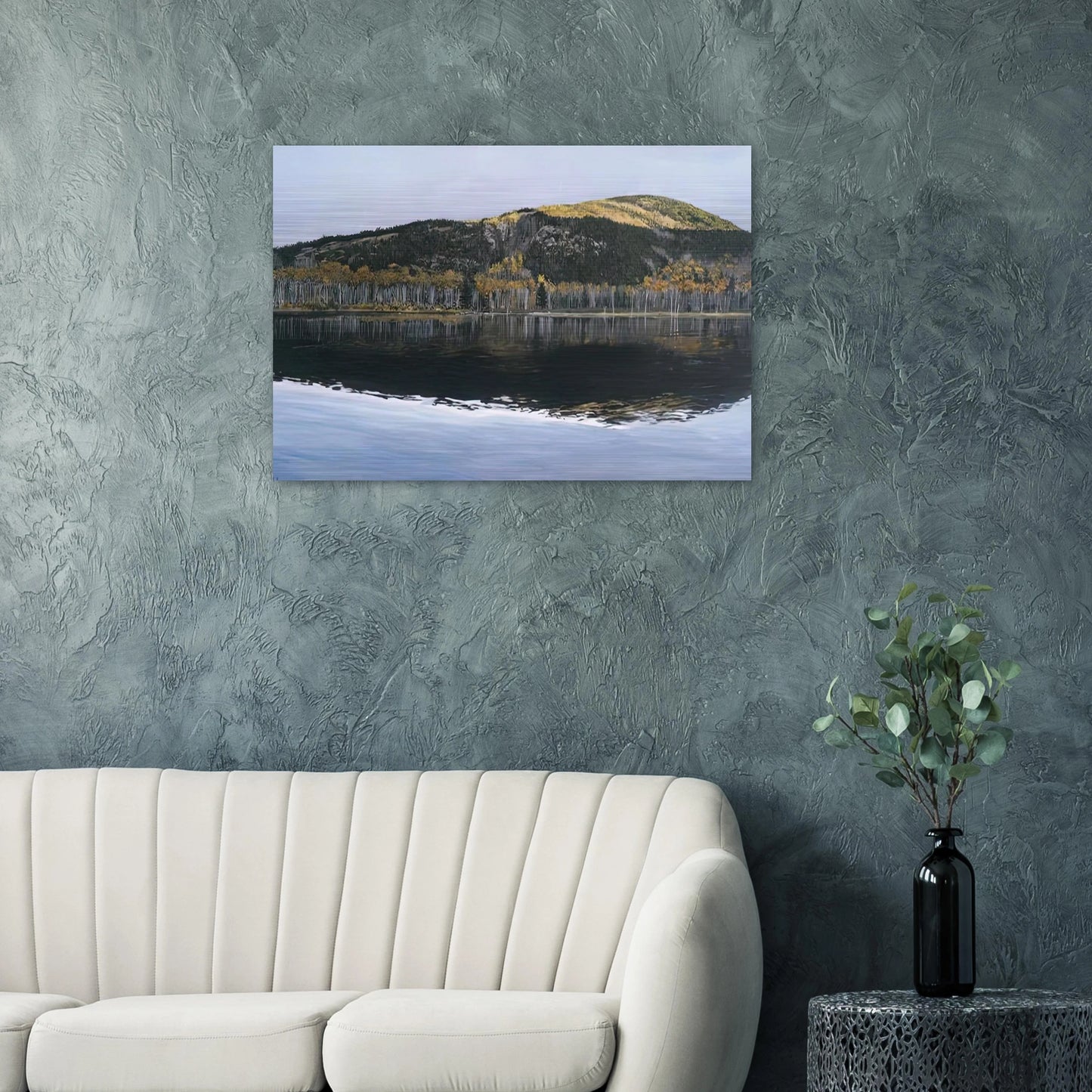
At RedKalion, we elevate this iconic imagery through a state-of-the-art Brushed Silver Aluminum DIBOND® medium. This 3mm (0.12") rigid base features a sophisticated horizontal grain that breathes life into the print, creating a dynamic interplay between light and surface. The matte, glare-free finish ensures that the subtle nuances of the Acadia landscape—from the submerged branches to the ripples on the pond—are visible from every angle, making it a definitive centerpiece for the modern collector.
- Metallic Vibrancy: White areas are intentionally left unprinted, allowing the silver brushed aluminum to shine through for a striking, modern metallic effect.
- Museum-Quality Durability: The 3mm AluDibond construction provides a warp-resistant, archival-grade foundation that stands the test of time.
- Sophisticated Finish: A matte, reflection-free surface that emphasizes the depth and texture of Richard Estes’ photorealistic technique.
- Ready to Exhibit: Each fine art print includes a premium hanging kit tailored to your location for a seamless, floating gallery presentation.
Owning a Richard Estes aluminum print from RedKalion is an investment in enduring beauty. This reproduction preserves the artist's legacy using archival-grade materials and precision engineering, ensuring that the tranquil spirit of Acadia remains a focal point of your interior space for generations to come.


Discover Unlimited Art Possibilities
At RedKalion, you can find virtually any artwork from any artist, available in a wide range of sizes to perfectly match your space.
If you didn’t find what you’re looking for, contact us at support@redkalion.com . We will source any artwork and produce it in any size and format you need, including art prints, posters, canvas, framed pieces, framed canvas, and more.
For dedicated art enthusiasts, we also offer handcrafted replicas of any artwork, carefully painted by highly skilled artists using traditional techniques.
For custom requests, contact us at support@redkalion.com .
What material is used for the Richard Estes Beaver Dam Pond print?
This print is crafted on 3mm Brushed Silver Aluminum DIBOND®. This premium material offers a rigid, durable base with a sophisticated horizontal grain, specifically chosen to enhance the photorealistic details of Richard Estes’ work.
How does the brushed aluminum finish affect the artwork's appearance?
The brushed finish creates a unique metallic effect. Unprinted white areas reveal the silver aluminum, while the matte surface eliminates glare, allowing the intricate reflections of Acadia National Park to pop with a modern, dynamic texture.
What is the thickness and durability of this aluminum print?
The print is 3mm (0.12") thick, providing a high-strength, lightweight solution that resists warping. The direct-to-substrate printing method ensures a long-lasting, archival-quality image that withstands environmental changes better than traditional paper.
Is the hanging hardware included with my purchase?
Yes, every Richard Estes print from RedKalion includes a professional hanging kit. The specific hardware varies by fulfillment country to ensure the most secure and aesthetically pleasing installation for your specific region.
How long will this archival-grade reproduction last?
Our AluDibond prints are designed for longevity. By using UV-resistant inks and a robust metal substrate, this museum-quality reproduction maintains its color integrity and structural form for decades without fading.
What makes Richard Estes' 'Beaver Dam Pond' significant in the photorealism movement?
This piece marks Estes' masterful application of urban photorealistic techniques to a natural landscape. By capturing complex reflections in water rather than glass, he showcases a technical evolution that remains a benchmark in contemporary realism.
Why is the 2009 Acadia National Park series unique compared to Estes' earlier work?
Unlike his 1960s cityscapes, the 2009 series explores the organic geometry of nature. It demonstrates Estes' ability to find structural order in the wilderness, blending hyper-realistic detail with the profound stillness of the Maine landscape.