RedKalion
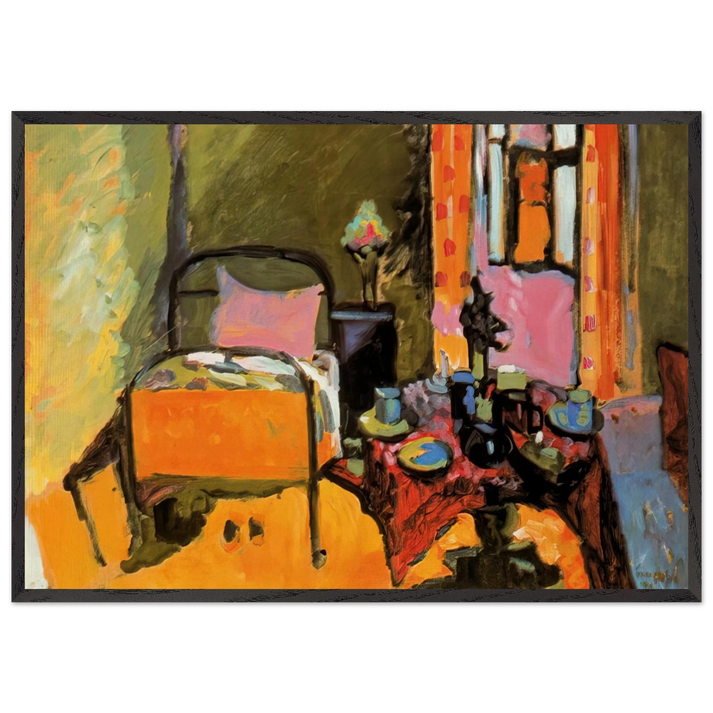
BEDROOM IN AINTMILLERSTRASSE 1909 - Wassily Kandinsky 70x100 cm / 28x40 inches Framed Art Print – Black Wooden Frame
BEDROOM IN AINTMILLERSTRASSE 1909 - Wassily Kandinsky 70x100 cm / 28x40 inches Framed Art Print – Black Wooden Frame
Couldn't load pickup availability
Elevate Your Space with Kandinsky’s Expressionist Vision
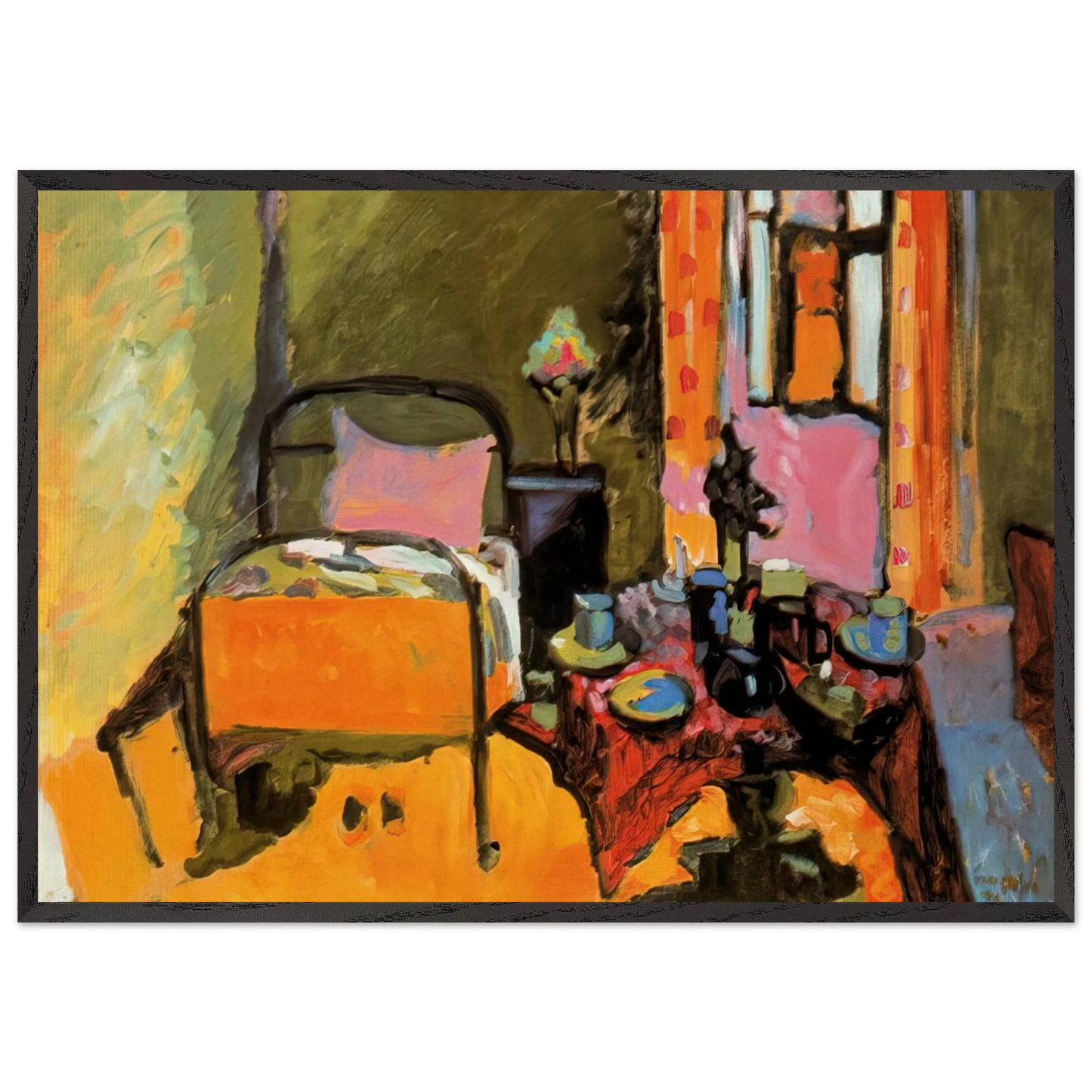
Experience the transformative energy of early 20th-century modernism with Bedroom in Aintmillerstrasse 1909 by Wassily Kandinsky. This museum-quality reproduction captures a pivotal moment in the artist's career while he resided in Munich’s Schwabing district. Moving away from traditional representation, Kandinsky utilizes a vibrant, Fauvist-inspired palette to depict his personal sanctuary, turning a simple domestic scene into a profound exploration of color and form.
Art Historical Significance
In 1909, Kandinsky was on the precipice of pure abstraction. Bedroom in Aintmillerstrasse showcases his transition from the Post-Impressionist landscapes of Murnau toward the Expressionist intensity that would lead to the founding of Der Blaue Reiter. The bold, thick brushstrokes and flattened perspective emphasize the emotional resonance of the space rather than its physical dimensions. For the discerning collector, this fine art print serves as a testament to the birth of the abstract movement.
Archival Excellence by RedKalion
At RedKalion, we believe a masterpiece deserves a presentation of equal caliber. This museum-quality reproduction is printed on 250 gsm (110 lb) archival paper. Our natural white, uncoated matte finish ensures a sophisticated, glare-free viewing experience that highlights the nuance of Kandinsky's original pigments. The paper is FSC-certified, reflecting our commitment to environmental sustainability without compromising on longevity.
Premium Framing & Craftsmanship
Your 70x100 cm (28x40 inches) framed art print arrives ready to hang, encased in a responsibly sourced black wooden frame. Unlike standard thin frames, ours features a substantial 20mm (0.79") thickness and width, providing a bold, architectural presence on your wall. Each piece is protected by shatterproof plexiglass, ensuring that your investment remains preserved and pristine for generations to come.
- Artist: Wassily Kandinsky
- Title: Bedroom in Aintmillerstrasse 1909
- Paper: 250 gsm / 110 lb Museum-Quality Archival Paper
- Frame: Sustainably sourced oak/ash wood with a sleek black finish
- Dimensions: 70x100 cm / 28x40 inches
- Durability: Archival grade for long-term lightfastness and color retention
Discover Unlimited Art Possibilities
At RedKalion, you can find virtually any artwork from any artist, available in a wide range of sizes to perfectly match your space.
If you didn’t find what you’re looking for, contact us at support@redkalion.com . We will source any artwork and produce it in any size and format you need, including art prints, posters, canvas, framed pieces, framed canvas, and more.
For dedicated art enthusiasts, we also offer handcrafted replicas of any artwork, carefully painted by highly skilled artists using traditional techniques.
For custom requests, contact us at support@redkalion.com .
What defines the quality of this Kandinsky reproduction?
RedKalion uses 250 gsm archival museum-quality paper with a matte finish. This ensures high-resolution color accuracy and prevents fading, making it a definitive fine art print for collectors.
What are the framing specifications for the 70x100 cm print?
The print features a premium black wooden frame made from responsibly sourced oak and ash. It is 20mm thick and wide, providing a more robust profile than standard 14mm frames.
Is the paper used for this art print sustainable?
Yes, we use FSC-certified materials or equivalent sustainable paper. This ensures that your museum-quality reproduction is environmentally responsible while maintaining premium archival standards.
How is the artwork protected during shipping and display?
Each frame is fitted with shatterproof plexiglass to protect against damage. Every order includes a hanging kit, ensuring the piece arrives ready to hang directly on your wall.
Will the colors of my Kandinsky print fade over time?
No, we use archival-grade paper and lightfast inks. This combination ensures that the vibrant colors of 'Bedroom in Aintmillerstrasse' remain vivid and beautiful for decades.
What is the historical significance of Aintmillerstrasse in Kandinsky’s life?
Aintmillerstrasse 36 was Kandinsky's home in Munich. This painting represents his domestic life with Gabriele Münter and captures the experimental spirit of his pre-abstract Expressionist phase in 1909.
How does this 1909 piece reflect Kandinsky's transition to abstraction?
This work uses color as an independent emotional force. By flattening the perspective and emphasizing bold, non-naturalistic hues, Kandinsky moves away from realism toward his future theories on abstract spirituality.