RedKalion
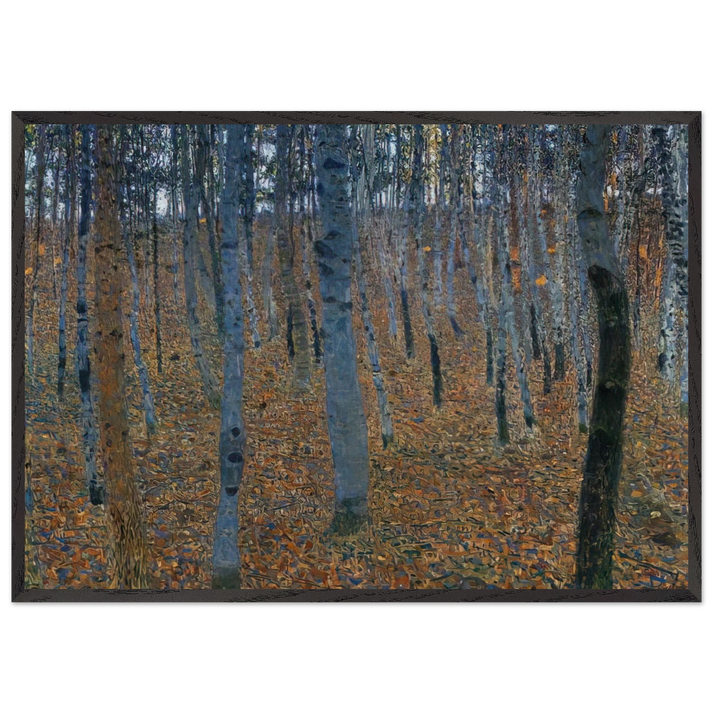
BEECH GROVE I - Gustav Klimt 70x100 cm / 28x40 inches Framed Art Print – Black Wooden Frame
BEECH GROVE I - Gustav Klimt 70x100 cm / 28x40 inches Framed Art Print – Black Wooden Frame
Couldn't load pickup availability
Elevate Your Space with Gustav Klimt’s Beech Grove I
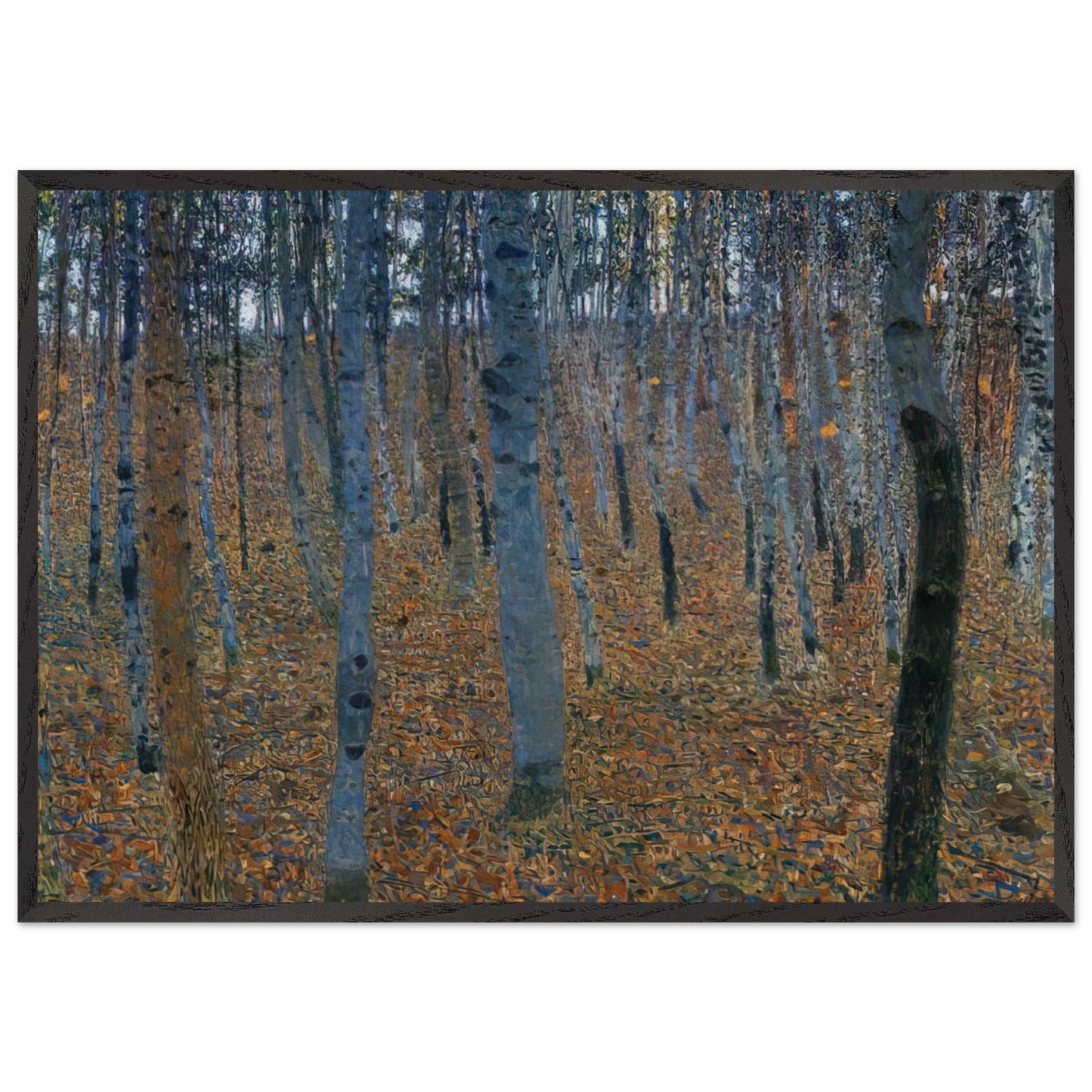
Step into the tranquil woods of the Attersee region with Beech Grove I (Buchenwald I), a definitive masterpiece by the Viennese Secessionist master, Gustav Klimt. This fine art print captures the rhythmic verticality and ethereal light of the forest floor, where Klimt’s signature mosaic-like brushwork transforms a simple landscape into a vibrant tapestry of color and texture. Unlike his gold-laden portraits, this 1902 landscape explores the quietude of nature through a sophisticated, proto-impressionist lens.
Museum-Quality Craftsmanship by RedKalion
At RedKalion, we curate archival reproductions that honor the integrity of the original work. This 70x100 cm (28x40 inches) framed art print is produced on 250 gsm (110 lb) museum-quality paper. The natural white, uncoated matte finish ensures that the subtle nuances of Klimt’s palette are rendered without glare, providing an authentic viewing experience that mirrors the original canvas. This archival-grade paper is FSC-certified, ensuring your investment in art also supports sustainable forestry.
Superior Framing and Protection
To complement the intricate detail of the beech trunks, the print is housed in a premium black wooden frame crafted from responsibly sourced oak and ash. With a professional 20mm (0.79") profile, this frame offers a more substantial and luxurious presence than standard 14mm alternatives. Each piece is protected by shatterproof plexiglass, ensuring the vibrant tones of the forest remain shielded from environmental damage while maintaining crystal-clear visibility.
- Art Historian's Note: Klimt often used a telescope to flatten the perspective in his landscapes, creating the dense, immersive 'forest-wall' effect seen in Beech Grove I.
- Ready-to-Hang: Your artwork arrives with a pre-installed hanging kit for immediate installation.
- Enduring Elegance: Designed to resist yellowing and degradation over decades.
Discover Unlimited Art Possibilities
At RedKalion, you can find virtually any artwork from any artist, available in a wide range of sizes to perfectly match your space.
If you didn’t find what you’re looking for, contact us at support@redkalion.com . We will source any artwork and produce it in any size and format you need, including art prints, posters, canvas, framed pieces, framed canvas, and more.
For dedicated art enthusiasts, we also offer handcrafted replicas of any artwork, carefully painted by highly skilled artists using traditional techniques.
For custom requests, contact us at support@redkalion.com .
What is the quality of the paper used for this Klimt print?
We use 250 gsm (110 lb) archival museum-quality paper. This heavy-weight, natural white paper features a matte, uncoated finish to prevent reflections and ensure the longevity of the fine art reproduction.
How is the artwork framed and what are the dimensions?
The print is mounted in a 20mm thick black frame made from solid oak or ash. This premium width provides a sophisticated, gallery-style aesthetic that is more durable than standard consumer frames.
Is the Beech Grove I print ready to hang upon arrival?
Yes, every framed print from RedKalion includes a professional hanging kit. It arrives ready to be displayed on your wall immediately upon unboxing, with no additional assembly required.
How does RedKalion ensure the print is protected during shipping?
We use shatterproof, transparent plexiglass to protect the artwork. This provides the clarity of glass without the risk of breakage during transit, ensuring your museum-quality print arrives in pristine condition.
What makes this a museum-quality reproduction?
Our reproductions utilize archival-grade, acid-free materials and FSC-certified paper. Combined with high-resolution printing techniques, we achieve the depth and detail required for serious art collectors and interior designers.
What was Klimt's inspiration for Beech Grove I?
Klimt painted this during his summer retreats to Lake Attersee. He was fascinated by the rhythmic patterns of the beech trees and used a unique 'square' composition to emphasize the meditative stillness of the forest.
Why did Klimt use this specific pointillist technique?
Klimt adopted a mosaic-like application of paint to capture the dappled light of the forest floor. This technique creates a sense of depth and vibration, making the landscape feel alive and atmospheric.