

RedKalion
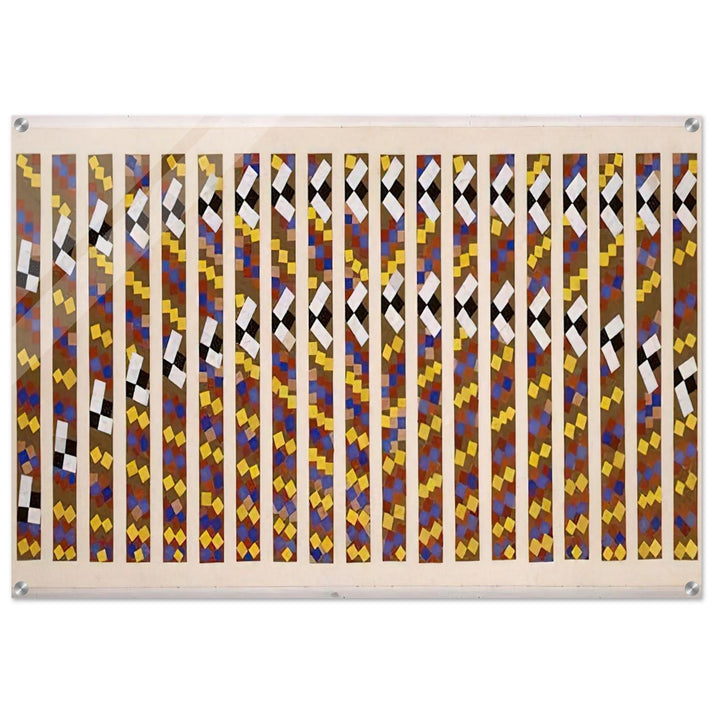
BEES 1948 - Henri Matisse Acrylic Print - 70x100 cm / 28x40″ inches
BEES 1948 - Henri Matisse Acrylic Print - 70x100 cm / 28x40″ inches
Couldn't load pickup availability
Elevate Your Space with Henri Matisse’s Late-Career Brilliance
Capture the rhythmic movement and vibrant energy of the modern master with the BEES 1948 - Henri Matisse Acrylic Print. Produced during Matisse’s celebrated gouaches découpés (cut-outs) period, this piece reflects his ultimate mastery of color and simplified form. As age restricted his ability to paint traditionally, Matisse began 'drawing with scissors,' creating organic, fluid shapes that vibrate with life. Bees is a testament to this creative rebirth, offering a sense of weightless motion and sun-drenched abstraction.
Archival Quality Meets Modern Sophistication
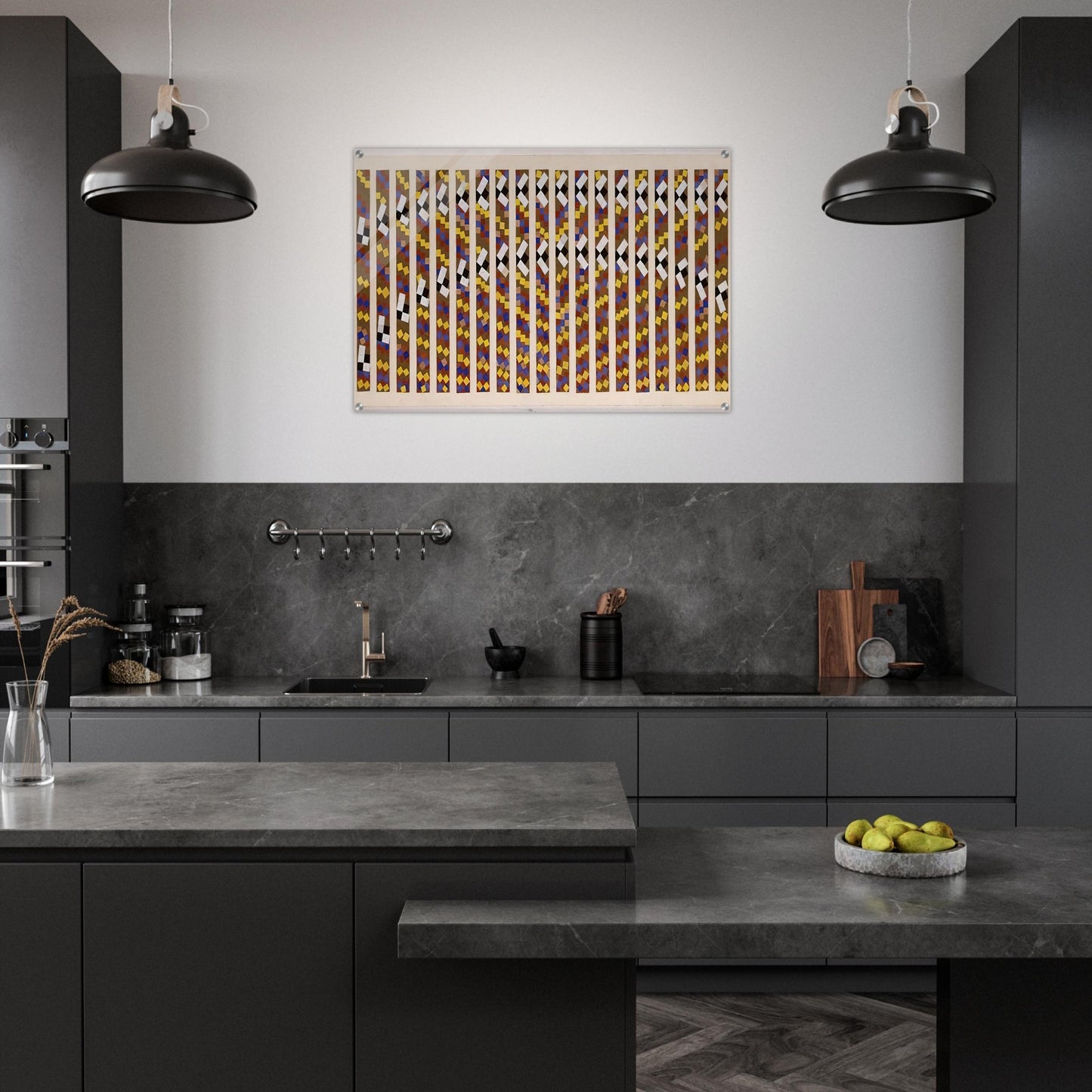
At RedKalion, we specialize in museum-quality reproductions that bridge the gap between historical significance and contemporary interior design. This premium fine art print is rendered on a 4mm (0.15") acrylic panel, providing a sleek, high-gloss finish that enhances the depth and saturation of Matisse’s iconic palette. The straight-cut corners and polished edges offer a minimalist aesthetic, ensuring the artwork remains the focal point of any room.
Meticulous Craftsmanship and Installation
Designed for durability and visual impact, this archival-grade piece is built to endure. Each print includes a professional hanging kit with integrated hardware for a secure, flush-to-wall mount. The transparency of the acrylic is optimized for clarity, with any transparent backgrounds defaulting to a crisp white to maintain the integrity of the artist’s original vision.
- Material: Premium 4mm (0.15") acrylic for vibrant color depth.
- Finish: Modern straight-cut corners and polished edges.
- Hardware: Includes screws and screw holes (14mm from edges) for effortless installation.
- Durability: Shatter-resistant and fade-resistant for archival longevity.
Transform your gallery wall with a work of art that defines the 20th-century avant-garde. This 70x100 cm masterpiece is more than a print; it is a sophisticated statement of cultural appreciation and artistic legacy.


Discover Unlimited Art Possibilities
At RedKalion, you can find virtually any artwork from any artist, available in a wide range of sizes to perfectly match your space.
If you didn’t find what you’re looking for, contact us at support@redkalion.com . We will source any artwork and produce it in any size and format you need, including art prints, posters, canvas, framed pieces, framed canvas, and more.
For dedicated art enthusiasts, we also offer handcrafted replicas of any artwork, carefully painted by highly skilled artists using traditional techniques.
For custom requests, contact us at support@redkalion.com .
What material is used for the BEES 1948 print?
The artwork is crafted on 4mm (0.15") high-grade acrylic. This material provides a vibrant, durable, and sleek finish that elevates the visual depth of Henri Matisse’s color palette compared to traditional paper prints.
How do I install the acrylic artwork on my wall?
Each print includes a dedicated hanging kit with screws. There are pre-drilled holes at each corner (14mm from the edge) with an 8mm diameter, designed to fit the provided 15mm screw heads for a secure mount.
Is this Matisse print archival and fade-resistant?
Yes. RedKalion uses museum-quality reproduction techniques and UV-resistant acrylic to ensure your fine art print maintains its color integrity and archival quality for decades, protecting your investment in art.
What is the finish and edge style of the print?
The print features a modern, straight-cut corner design. The acrylic surface is high-gloss, providing a luminous quality that makes the organic shapes of the 'Bees' composition appear to float with clarity.
How is the artwork protected during shipping?
We use specialized, high-impact packaging to ensure your acrylic print arrives in pristine condition. Every shipment is tracked and handled with the care required for premium museum-quality reproductions.
What was the inspiration behind Matisse’s 1948 'Bees'?
Created during his 'cut-out' phase, 'Bees' (Les Abeilles) represents Matisse’s fascination with rhythmic patterns and organic abstraction, capturing the essence of nature's movement through simplified, vibrating shapes and high-contrast color theory.
What is the 'gouache découpé' technique used in this piece?
Gouache découpé, or 'cut-out,' involved Matisse cutting shapes from paper pre-painted with gouache. This allowed him to unify line and color simultaneously, a revolutionary technique that defined his late-career mastery.