RedKalion
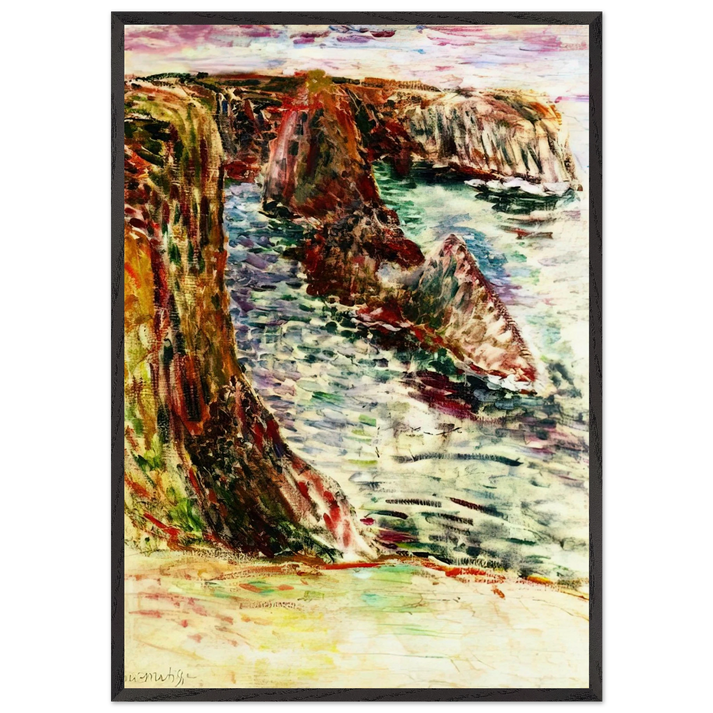
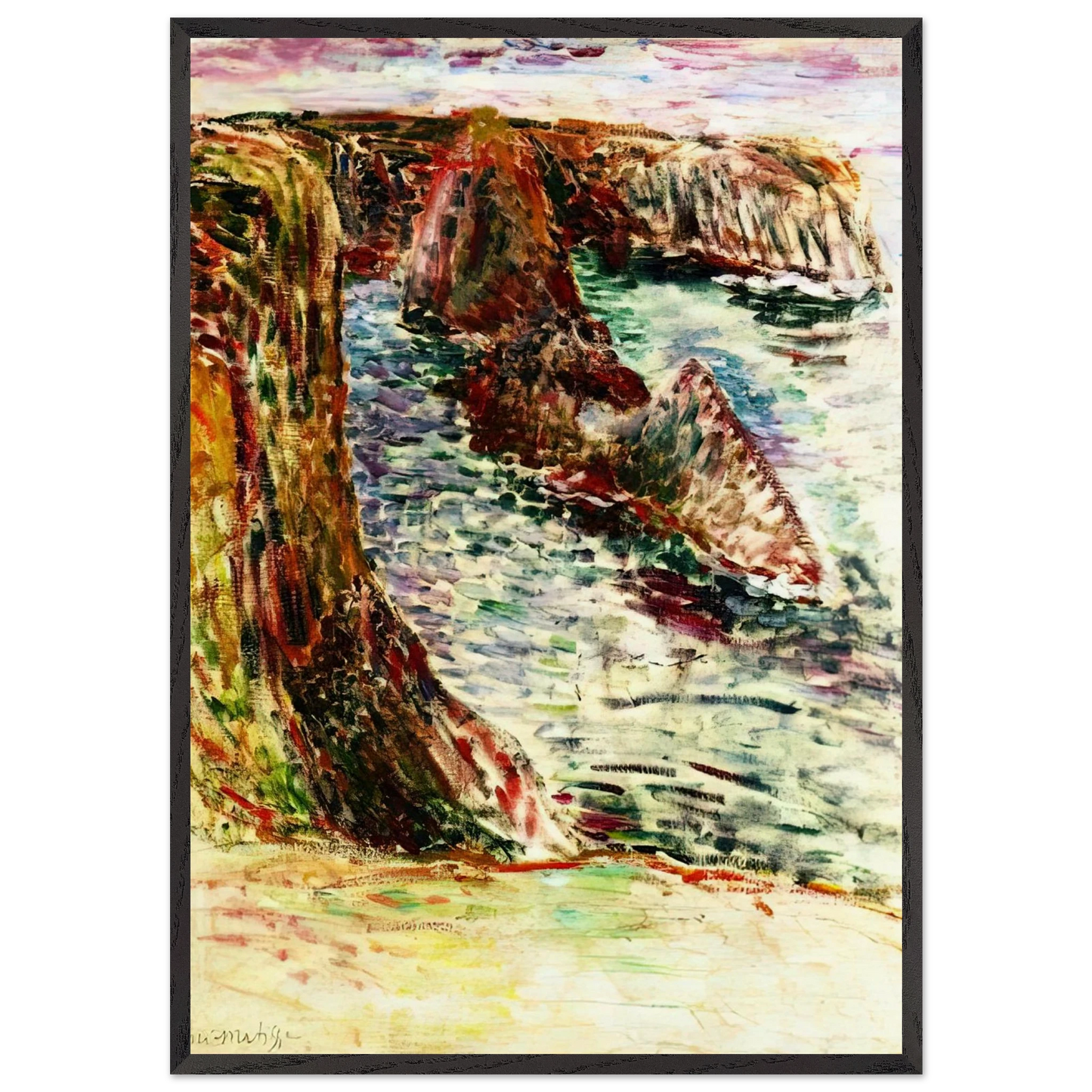
BELLE ILE EN MER 1897 - Henri Matisse 70x100 cm / 28x40 inches Framed Art Print – Black Wooden Frame
BELLE ILE EN MER 1897 - Henri Matisse 70x100 cm / 28x40 inches Framed Art Print – Black Wooden Frame
Couldn't load pickup availability
Elevate Your Space with Henri Matisse's 'Belle Ile en Mer 1897'
Experience a pivotal moment in art history with this museum-quality reproduction of Henri Matisse's 'Belle Ile en Mer 1897'. This stunning 70x100 cm (28x40 inches) framed art print captures the raw, atmospheric beauty of the Brittany coast. In 1897, Matisse’s visit to this rugged island marked a definitive shift in his career; under the guidance of John Peter Russell, he abandoned his somber academic palette in favor of the vibrant, expressive light that would eventually lead to Fauvism.
Museum-Grade Material and Archival Precision
At RedKalion, we curate our prints to meet the highest standards of the fine art world. This piece is rendered on 250 gsm (110 lb) natural white, archival museum-quality paper. The uncoated, matte finish ensures that Matisse’s energetic brushstrokes and tonal depth are preserved without distracting glare. To protect the integrity of the artwork, we use shatterproof plexiglass, providing clarity and safety for years to come.
Sophisticated Craftsmanship and Framing
Our commitment to excellence extends to the physical presentation of your print. This artwork arrives in a premium black wooden frame, crafted from responsibly sourced ash and oak. Unlike standard commercial frames, ours features a substantial 20mm (0.79") profile, offering a bold, architectural presence that elevates any interior. Each frame is FSC-certified, reflecting our dedication to sustainability and quality.
- Artist: Henri Matisse
- Title: Belle Ile en Mer 1897
- Paper: 250 gsm Archival, Matte Finishing
- Frame: 20mm thick Black Ash/Oak Wood
- Ready-to-Hang: Includes pre-installed hanging kit
- Dimensions: 70x100 cm / 28x40 inches
Transform your home or office into a private gallery. This archival masterpiece from RedKalion is designed to endure, ensuring that the legacy of Matisse continues to inspire in your personal collection.
Discover Unlimited Art Possibilities
At RedKalion, you can find virtually any artwork from any artist, available in a wide range of sizes to perfectly match your space.
If you didn’t find what you’re looking for, contact us at support@redkalion.com . We will source any artwork and produce it in any size and format you need, including art prints, posters, canvas, framed pieces, framed canvas, and more.
For dedicated art enthusiasts, we also offer handcrafted replicas of any artwork, carefully painted by highly skilled artists using traditional techniques.
For custom requests, contact us at support@redkalion.com .
What makes the Belle Ile en Mer 1897 print a museum-quality reproduction?
Our Matisse prints use 250 gsm archival-grade paper and lightfast inks. This ensures the fine art print maintains its color integrity and structural quality for decades, meeting the high standards required by professional galleries and collectors.
What are the specifications of the black wooden frame?
The frame is made from sustainably sourced black ash or oak. It measures 20mm (0.79") in both width and thickness, providing a more robust and premium aesthetic than the standard 14mm frames typically found in retail stores.
How is the artwork protected during shipping and display?
Each print is protected by shatterproof plexiglass, which offers superior clarity while being much safer than traditional glass. We ship each framed art print in specialized protective packaging to ensure it arrives in pristine condition.
Is this Henri Matisse print ready to hang upon arrival?
Yes. Every framed print from RedKalion comes with a pre-installed hanging kit. You can display your new artwork on your wall immediately upon unboxing, without needing extra hardware or professional assembly.
What is the significance of the year 1897 in Matisse’s work?
1897 was Matisse's 'liberation' year. During his stay at Belle-Île-en-Mer, he was introduced to Impressionism and the works of Van Gogh, causing him to transition from a dark, traditional palette to the brilliant, vibrant colors he is famous for.
Is the paper used for this fine art print sustainable?
Absolutely. RedKalion uses FSC-certified paper or equivalent sustainable materials. This ensures that your museum-quality reproduction is produced with respect for the environment without compromising on the luxurious 250 gsm weight and matte finish.
What specific artistic technique does Matisse use in Belle Ile en Mer?
In this piece, Matisse uses vigorous, broken brushstrokes to capture the movement of the Atlantic. This technique demonstrates his growing interest in light and atmosphere, bridging the gap between late Impressionism and his future Fauvist masterpieces.