RedKalion
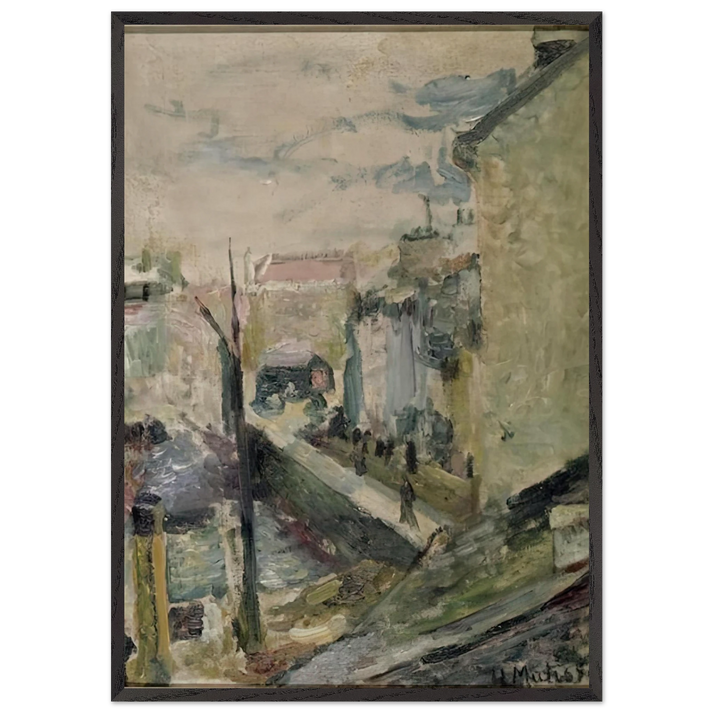
BELLE ILE - Henri Matisse 70x100 cm / 28x40 inches Framed Art Print – Black Wooden Frame
BELLE ILE - Henri Matisse 70x100 cm / 28x40 inches Framed Art Print – Black Wooden Frame
Couldn't load pickup availability
Immerse Yourself in the Coastal Brilliance of Henri Matisse’s Belle-Île
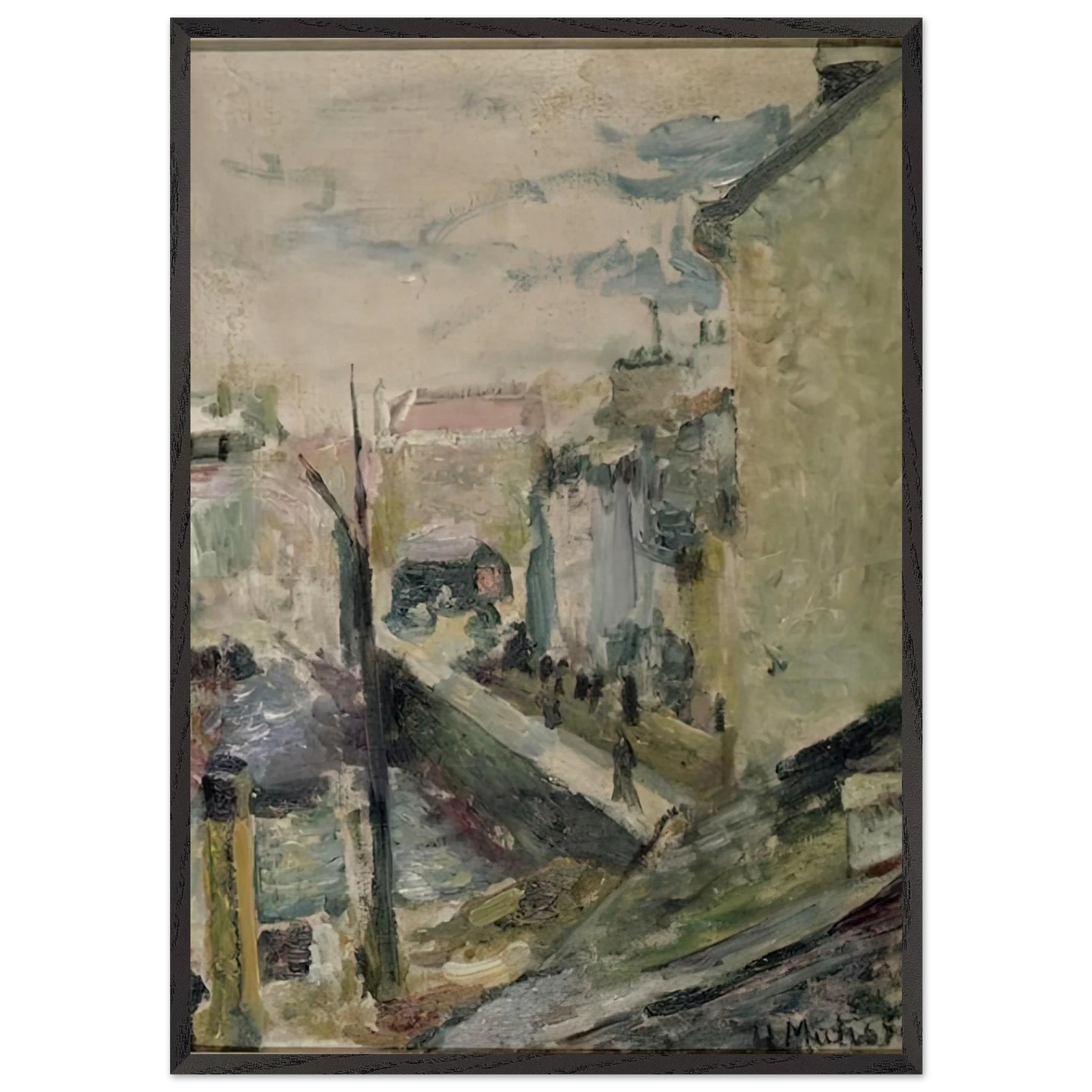
Capture the raw, emotive energy of the Brittany coast with this exquisite Henri Matisse Belle-Île framed art print. Created during a formative period in the artist's career, this work captures the dramatic cliffs and restless sea of the Atlantic. At RedKalion, we have meticulously reproduced this masterpiece to preserve the nuanced brushstrokes and atmospheric light that define Matisse’s early exploration of Impressionist color and form.
A Pivotal Moment in Art History
In the late 1890s, Henri Matisse visited the island of Belle-Île-en-Mer, a journey that forever changed his artistic trajectory. It was here that he met John Peter Russell, who introduced him to the work of Van Gogh and the principles of Impressionism. This museum-quality reproduction invites you to witness the genesis of a modern master, offering a sophisticated focal point for any refined interior.
Archival Craftsmanship and Premium Materials
RedKalion is dedicated to providing art that endures. This 70x100 cm (28x40 inches) framed art print is rendered on 250 gsm (110 lb) natural white, archival-grade paper. The matte, uncoated finish eliminates glare, allowing the depth of the pigments to shine. Each print is encased in a premium black frame, expertly crafted from responsibly sourced oak and ash wood. Measuring 20mm (0.79") in thickness and width, our frames provide a more substantial and luxurious presence than standard alternatives.
- Shatterproof Protection: Crystal-clear plexiglass safeguards the artwork while maintaining absolute clarity.
- Ready-to-Hang: Arrives with a professional hanging kit for immediate installation.
- Sustainability: Printed on FSC-certified paper, ensuring an ethical addition to your collection.
Elevate your space with an archival masterpiece that combines historical significance with contemporary elegance.
Discover Unlimited Art Possibilities
At RedKalion, you can find virtually any artwork from any artist, available in a wide range of sizes to perfectly match your space.
If you didn’t find what you’re looking for, contact us at support@redkalion.com . We will source any artwork and produce it in any size and format you need, including art prints, posters, canvas, framed pieces, framed canvas, and more.
For dedicated art enthusiasts, we also offer handcrafted replicas of any artwork, carefully painted by highly skilled artists using traditional techniques.
For custom requests, contact us at support@redkalion.com .
What is the quality of the paper used for this Matisse print?
We use 250 gsm (110 lb) archival museum-quality paper. It is natural white, matte, and uncoated, ensuring your Henri Matisse reproduction remains vibrant and acid-free for decades.
How is the artwork protected and framed?
The print is housed in a 20mm thick black frame made from solid oak or ash. It is protected by shatterproof plexiglass, offering superior clarity and safety compared to standard glass.
Is the print ready to hang upon arrival?
Yes. Your framed art print includes a pre-installed hanging kit, allowing you to elevate your interior design the moment it arrives at your door.
Are the materials used in this framed art print sustainable?
RedKalion prioritizes the environment. We use FSC-certified wood for our frames and paper, ensuring that your fine art purchase supports responsible forest management.
What ensures the long-term color preservation of this print?
Our use of archival-grade, acid-free paper and high-pigment printing ensures that the nuanced colors of Matisse’s coastal landscape will not yellow or fade over time.
When did Henri Matisse paint the original Belle-Île series?
Matisse painted the Belle-Île-en-Mer series between 1896 and 1897. This period marked his transition from academic realism to the expressive color palettes of modernism.
What artistic transition does "Belle-Île" represent for Matisse?
The Belle-Île works represent Matisse's first embrace of Impressionism. Under the influence of John Russell, he began experimenting with light and liberated color, laying the groundwork for Fauvism.