

RedKalion
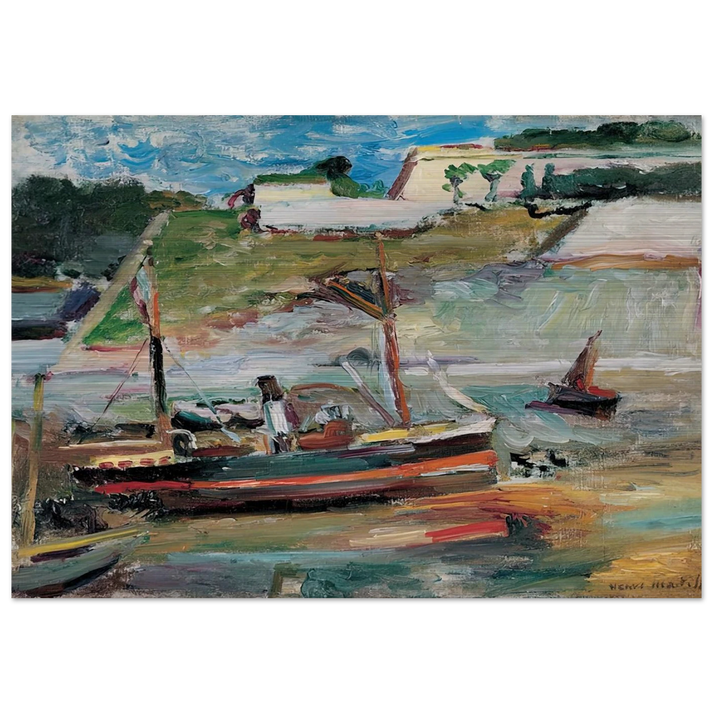
BELLE ILE LE PORT DE PALAIS 1896 - Henri Matisse Brushed Aluminum Print - 70x100 cm / 28x40 inches | Henri Matisse Aluminum Print | Henri Matisse Prints
BELLE ILE LE PORT DE PALAIS 1896 - Henri Matisse Brushed Aluminum Print - 70x100 cm / 28x40 inches | Henri Matisse Aluminum Print | Henri Matisse Prints
Couldn't load pickup availability
A Transformative Voyage: Matisse’s Belle Île, le Port de Palais (1896)
Experience a pivotal moment in art history with this museum-quality reproduction of Henri Matisse's "Belle Île, le Port de Palais" (1896). Before he became the leader of the Fauves, Matisse sought the luminous, rugged light of the Brittany coast. This early masterpiece captures the port of Le Palais with a burgeoning impressionistic sensibility, showcasing the artist's initial departure from academic realism toward a more vibrant, light-filled palette.
Technique and Historical Context
Painted during a summer sojourn in Belle-Île-en-Mer, this work reflects the profound influence of the Australian impressionist John Peter Russell, who introduced Matisse to the theories of color and the work of Van Gogh. The composition balances the industrial character of the harbor with the atmospheric volatility of the Atlantic, rendered through deliberate, textured brushwork that hints at the revolutionary modernism Matisse would later define.
The RedKalion Archival Standard
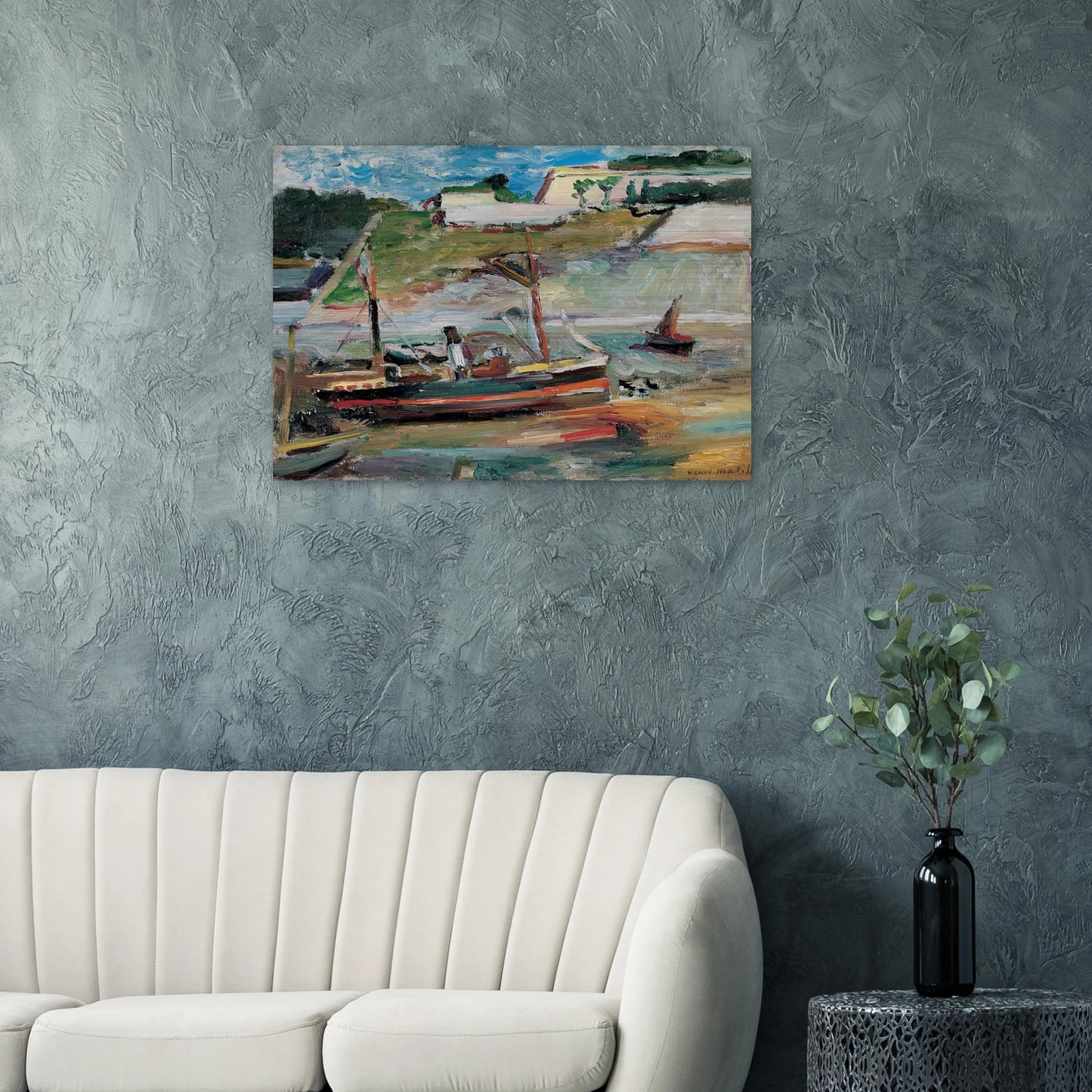
At RedKalion, we elevate fine art reproductions by pairing historical significance with cutting-edge material science. This Henri Matisse aluminum print is produced on 3mm (0.12") brushed silver Aluminum DIBOND®. This specific medium was selected to complement the maritime subject matter; the horizontal grain and metallic finish of the aluminum interact with ambient light, mimicking the shimmering surface of the Breton waters.
- Metallic Depth: Unprinted white areas reveal the brushed silver effect, creating a striking contrast and a contemporary aesthetic.
- Durability: The rigid, 3mm DIBOND® base ensures the print remains flat and durable for decades.
- Sophisticated Finish: A matte, glare-free surface ensures the intricate details of Matisse’s brushwork remain visible from any angle.
- Ready to Display: Each archival masterpiece includes a premium hanging kit, tailored to your location, for a seamless installation.
Elevate your interior with an archival-grade reproduction that bridges the gap between 19th-century impressionism and contemporary industrial design. This is more than a print; it is an enduring tribute to the evolution of modern art.


Discover Unlimited Art Possibilities
At RedKalion, you can find virtually any artwork from any artist, available in a wide range of sizes to perfectly match your space.
If you didn’t find what you’re looking for, contact us at support@redkalion.com . We will source any artwork and produce it in any size and format you need, including art prints, posters, canvas, framed pieces, framed canvas, and more.
For dedicated art enthusiasts, we also offer handcrafted replicas of any artwork, carefully painted by highly skilled artists using traditional techniques.
For custom requests, contact us at support@redkalion.com .
What makes the Brushed Aluminum DIBOND® finish unique for this Matisse print?
The 3mm brushed silver Aluminum DIBOND® features a horizontal grain that creates a dynamic, metallic finish. In this Matisse print, unprinted white areas reveal the silver substrate, adding a luminous, modern dimension that mimics the natural reflection of light on water.
Is this Henri Matisse reproduction considered archival quality?
Yes. RedKalion utilizes direct-to-substrate printing on premium Aluminum DIBOND®, ensuring high color saturation and UV resistance. This museum-quality method prevents fading and ensures the artwork remains a centerpiece in your collection for generations without the need for protective glass.
What are the dimensions and thickness of this specific art piece?
This premium edition measures 70x100 cm (28x40 inches) with a thickness of 3mm (0.12"). This profile provides a rigid, durable base that resists warping while maintaining a sleek, low-profile aesthetic on your wall.
How is the artwork prepared for shipping and installation?
Your Henri Matisse aluminum print is securely packaged for global transit. Each order includes a country-specific hanging kit, allowing you to mount the artwork securely and easily upon arrival, achieving a professional gallery-style float effect.
Is the finish of the aluminum print glossy or matte?
The print features a sophisticated matte finish. This glare-free surface is ideal for high-light environments, ensuring that the colors and silver metallic effects of the Belle Île port are visible without distracting reflections.
What was Matisse’s artistic style during his 1896 stay in Belle-Île?
In 1896, Matisse was transitioning from traditional realism to Impressionism. His time at Belle-Île was transformative, as he began experimenting with light and color after being exposed to the works of Van Gogh and the techniques of John Peter Russell.
Does the silver metallic effect alter the original colors of the painting?
The silver effect is primarily visible in the highlights and white areas of the design. This enhances the atmospheric quality of the maritime scene, adding a contemporary brilliance while staying faithful to Matisse's intended color relationships and tonal values.