RedKalion
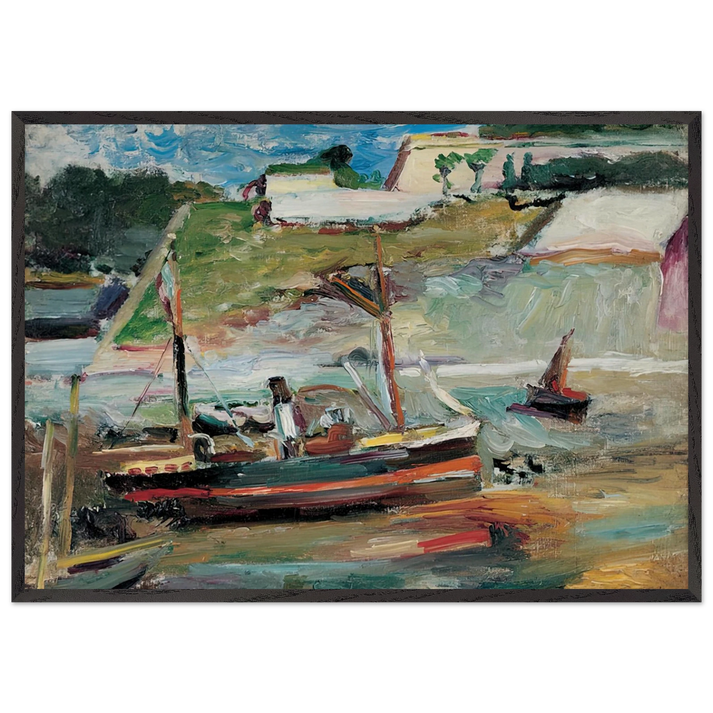
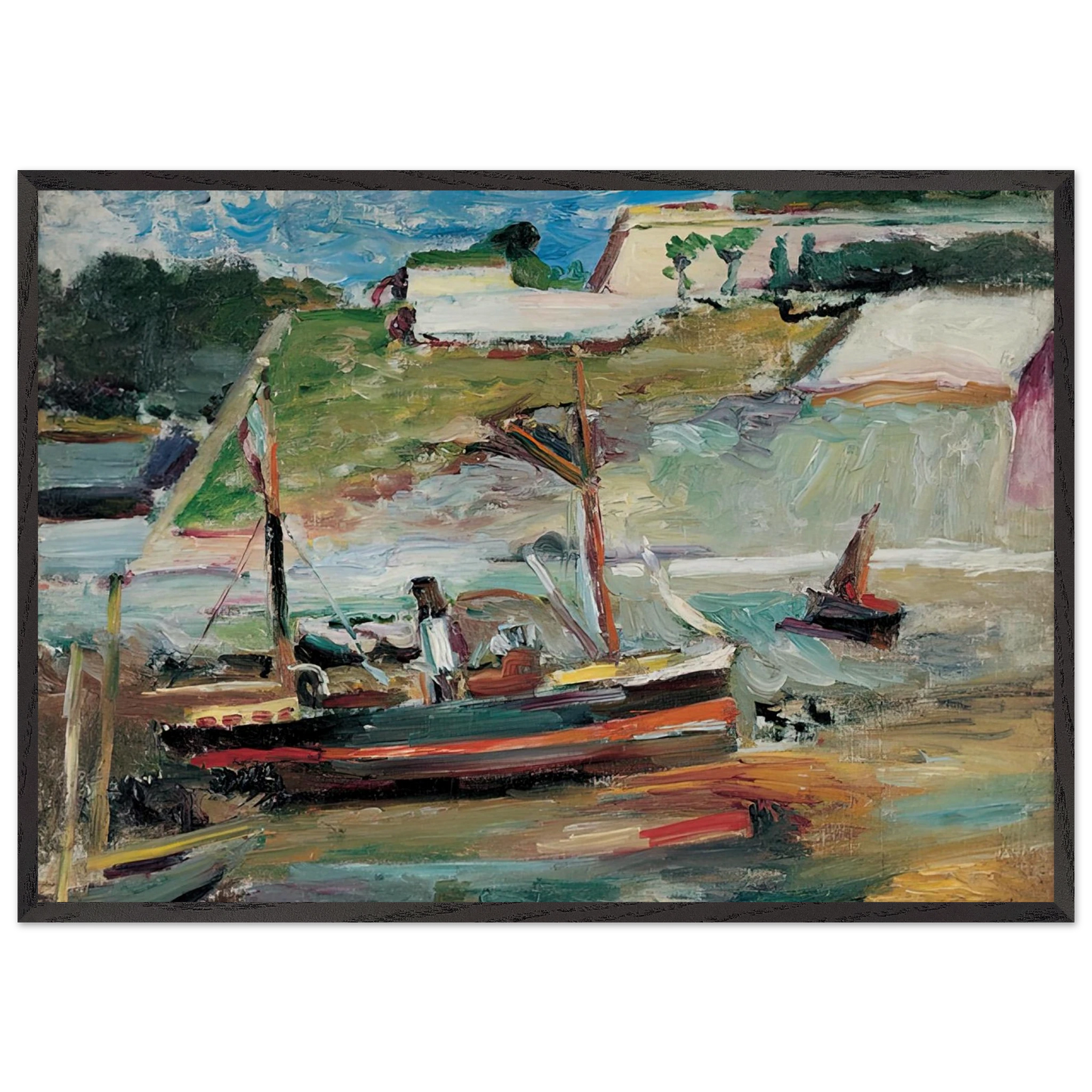
BELLE ILE LE PORT DE PALAIS 1896 - Henri Matisse 70x100 cm / 28x40 inches Framed Art Print – Black Wooden Frame
BELLE ILE LE PORT DE PALAIS 1896 - Henri Matisse 70x100 cm / 28x40 inches Framed Art Print – Black Wooden Frame
Couldn't load pickup availability
Experience the Genesis of a Master: Matisse’s Belle-Île-en-Mer
Infuse your interior with a pivotal moment in art history. BELLE ILE LE PORT DE PALAIS 1896 by Henri Matisse captures the nascent energy of a painter on the brink of a revolution. During his transformative summer in Brittany, Matisse began to break away from his traditional academic training, experimenting with the vibrant light and atmospheric coastal textures that would eventually pave the way for Fauvism.
This premium 70x100 cm (28x40 inches) framed art print is more than a reproduction; it is a curated window into the 19th-century French coast. At RedKalion, we preserve the integrity of Matisse’s early Impressionist brushwork using archival museum-quality paper. The 250 gsm (110 lb) natural white, matte, and uncoated paper ensures that every subtle shift in sea-foam green and port-side shadow is rendered with stunning clarity and depth.
Museum-Grade Presentation & Craftsmanship
This Henri Matisse fine art print is presented in a sophisticated 20mm (0.79") black frame, meticulously crafted from responsibly sourced oak and ash wood. Unlike standard thin frames, our 20mm profile provides a substantial, gallery-standard presence that commands attention. To ensure your investment remains pristine for generations, each piece is protected by high-clarity shatterproof plexiglass.
- Sustainable Elegance: Printed on FSC-certified materials, supporting global forest conservation.
- Substantial Build: A 0.29 mm thick paper profile that resists wrinkling and maintains a flat, premium appearance.
- Effortless Installation: Arrives 100% ready-to-hang with a professional hanging kit included.
- Historical Authority: A quintessential piece for collectors seeking Matisse’s transitional works.
Elevate your space with an archival masterpiece that endures. RedKalion’s commitment to premium materials ensures that the luminous legacy of the Port de Palais remains a focal point of your home or office for years to come.
Discover Unlimited Art Possibilities
At RedKalion, you can find virtually any artwork from any artist, available in a wide range of sizes to perfectly match your space.
If you didn’t find what you’re looking for, contact us at support@redkalion.com . We will source any artwork and produce it in any size and format you need, including art prints, posters, canvas, framed pieces, framed canvas, and more.
For dedicated art enthusiasts, we also offer handcrafted replicas of any artwork, carefully painted by highly skilled artists using traditional techniques.
For custom requests, contact us at support@redkalion.com .
What are the specifications of the paper used for this Matisse print?
We use 250 gsm (110 lb) natural white, matte, uncoated archival paper. This museum-quality paper has a thickness of 0.29 mm, ensuring high durability and a premium fine art feel that prevents glare.
What materials is the black frame made from?
The frame is constructed from responsibly sourced oak and ash wood. It features a 20mm (0.79") thickness and width, providing a sturdier and more luxurious profile than standard commercial frames.
Is the artwork protected against damage during shipping or display?
Yes, each print is protected by high-quality shatterproof plexiglass. This ensures the artwork remains safe from breakage while providing excellent clarity to view the intricate details of the Matisse piece.
Does this framed print come ready to hang?
Absolutely. Every order includes a professional hanging kit. The artwork arrives fully assembled within the black wooden frame, allowing you to display it on your wall immediately upon arrival.
How does RedKalion ensure environmental sustainability?
We prioritize the planet by using FSC-certified materials or equivalent sustainable certifications for our frames and paper, ensuring that your fine art purchase supports responsible forestry practices.
What is the significance of the year 1896 in Henri Matisse's career?
1896 was a turning point for Matisse. While staying at Belle-Île, he met painter John Russell, who introduced him to Impressionism and the works of Van Gogh, fundamentally changing his use of color.
Why is Belle-Île-en-Mer important to this specific painting?
Belle-Île provided the atmospheric light and rugged coastal scenery that encouraged Matisse to abandon his somber palette. This painting reflects his early experimentation with capturing light and movement in a harbor setting.