

RedKalion
Belle-Ile, Rain Effect - claude monet Brushed Aluminum Print - 70x100 cm / 28x40 inches | claude monet Aluminum Print | claude monet Prints
Belle-Ile, Rain Effect - claude monet Brushed Aluminum Print - 70x100 cm / 28x40 inches | claude monet Aluminum Print | claude monet Prints
Couldn't load pickup availability
Capture the Atmospheric Power of Monet’s 'Belle-Ile, Rain Effect'
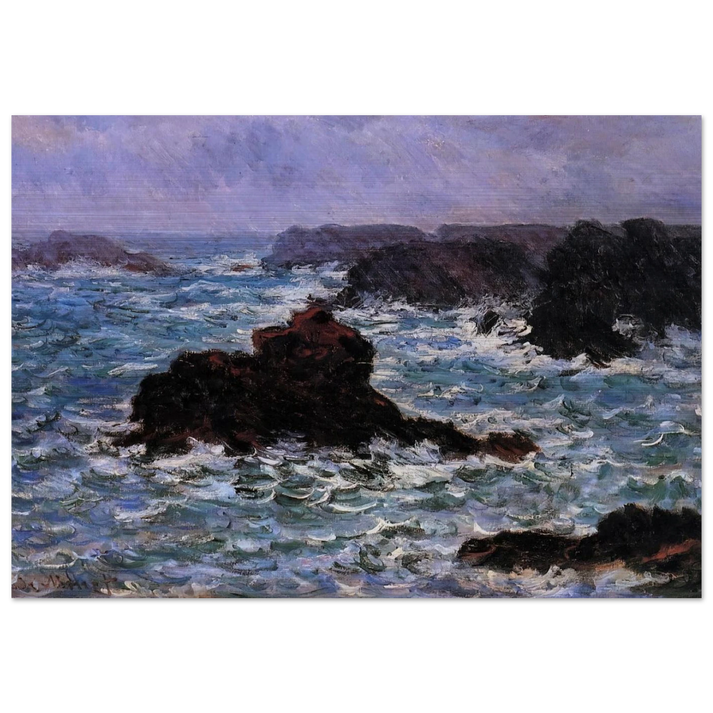
In 1886, Claude Monet traveled to the rugged coast of Brittany, seeking to capture the 'terrible' beauty of the wild Atlantic. The resulting masterpiece, Belle-Ile, Rain Effect, is a seminal work of Impressionism that prioritizes the fleeting atmosphere over fixed forms. This fine art print reproduces Monet's masterful treatment of the heavy, rain-laden sky and the churning turquoise sea against the jagged cliffs of Belle-Île-en-Mer.
A Contemporary Marriage of Impressionism and Industrial Elegance
At RedKalion, we believe museum-quality reproductions should evolve with modern aesthetics. By printing this Claude Monet masterpiece on brushed silver Aluminum DIBOND®, we create a dynamic visual experience that traditional canvas cannot replicate. The 3mm (0.12") thick aluminum base features a horizontal grain that catches the light, mimicking the very streaks of rain and sea spray Monet so famously pursued.
Uncompromising Material Quality
This premium Claude Monet aluminum print is engineered for longevity and visual impact:
- Brushed Silver Finish: The horizontal metallic grain provides a unique texture, especially visible in the unprinted white areas where the silver aluminum shines through.
- Matte & Glare-Free: The direct-to-surface printing ensures a sophisticated matte finish, ideal for rooms with high natural light where reflections would otherwise obscure the detail.
- Archival Durability: The AluDibond material is highly rigid and water-resistant, ensuring your archival-grade reproduction remains a centerpiece for decades.
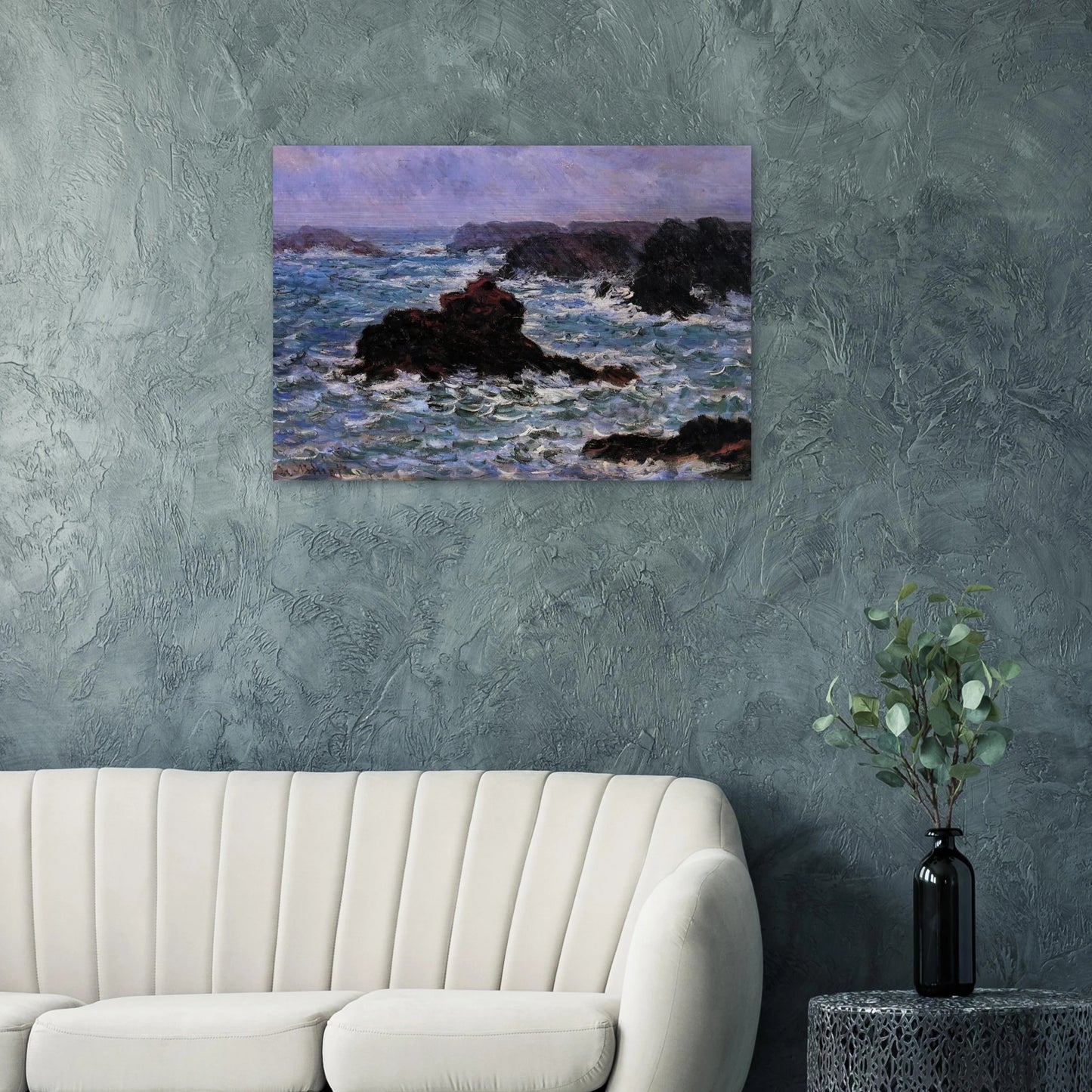
- Ready to Hang: Each 70x100 cm (28x40 inches) print includes a specialized hanging kit tailored to your region for a seamless, floating gallery appearance.
Elevate your interior with an archival masterpiece that endures. This RedKalion edition transforms a historical moment of French Impressionism into a bold, contemporary statement piece.


Discover Unlimited Art Possibilities
At RedKalion, you can find virtually any artwork from any artist, available in a wide range of sizes to perfectly match your space.
If you didn’t find what you’re looking for, contact us at support@redkalion.com . We will source any artwork and produce it in any size and format you need, including art prints, posters, canvas, framed pieces, framed canvas, and more.
For dedicated art enthusiasts, we also offer handcrafted replicas of any artwork, carefully painted by highly skilled artists using traditional techniques.
For custom requests, contact us at support@redkalion.com .
What is the historical significance of 'Belle-Ile, Rain Effect'?
Painted in 1886, this work represents Monet’s transition toward capturing the 'enveloppe'—the atmospheric conditions surrounding objects. It depicts the jagged 'Pyramides' of Port-Coton in Brittany during a heavy downpour, showcasing his expertise in rendering light through storm-muted colors.
How does the brushed aluminum finish enhance this Claude Monet print?
The horizontal grain of the brushed silver Aluminum DIBOND® adds a metallic depth to the composition. In this rain-themed piece, the silver sheen acts as a physical representation of light reflecting off water and moisture, creating a dynamic, living artwork.
What are the technical specifications of the print material?
We use premium 3mm (0.12") Aluminum DIBOND® featuring a brushed silver finish. This material is lightweight yet incredibly rigid, providing a durable, museum-quality base that resists warping and aging unlike traditional paper or canvas.
Is the print protected against fading and glare?
Yes, the direct print method creates a matte, glare-free surface. The UV-resistant inks used by RedKalion ensure that the vivid blues and grays of Monet's palette remain archival and vibrant for a lifetime without the need for protective glass.
How is the artwork delivered and hung?
The print is securely packaged for international transit. It comes with a pre-selected hanging kit suitable for its 70x100 cm size, allowing the aluminum plate to 'float' slightly off the wall for a sophisticated, modern gallery aesthetic.
Why did Claude Monet choose the Belle-Ile location?
Monet sought out the 'savage' nature of Belle-Ile to challenge his technique. The extreme weather and rugged topography allowed him to experiment with darker palettes and more vigorous brushwork than his earlier, sun-drenched Giverny works.
Can this aluminum print be displayed in high-humidity areas?
Absolutely. Because it is printed on Aluminum DIBOND®, this fine art reproduction is highly resistant to moisture and humidity, making it an excellent choice for luxury bathrooms, spas, or contemporary kitchens where traditional art might deteriorate.