RedKalion
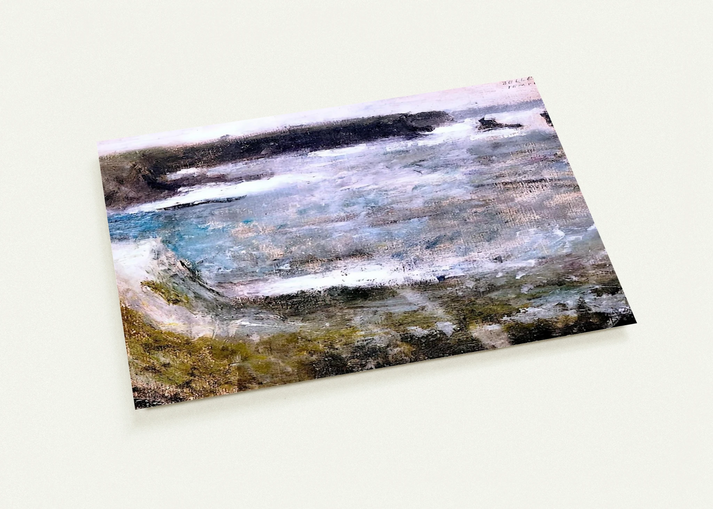
BELLE ISLE TEMPETE 1896 By Henri Matisse Pack of 10 Post Cards | Henri Matisse Post Cards | A6 (10.5 x 14.8 cm) - 4.1 x 5.8 inches
BELLE ISLE TEMPETE 1896 By Henri Matisse Pack of 10 Post Cards | Henri Matisse Post Cards | A6 (10.5 x 14.8 cm) - 4.1 x 5.8 inches
Couldn't load pickup availability
Experience the Raw Power of Henri Matisse’s Early Masterpiece
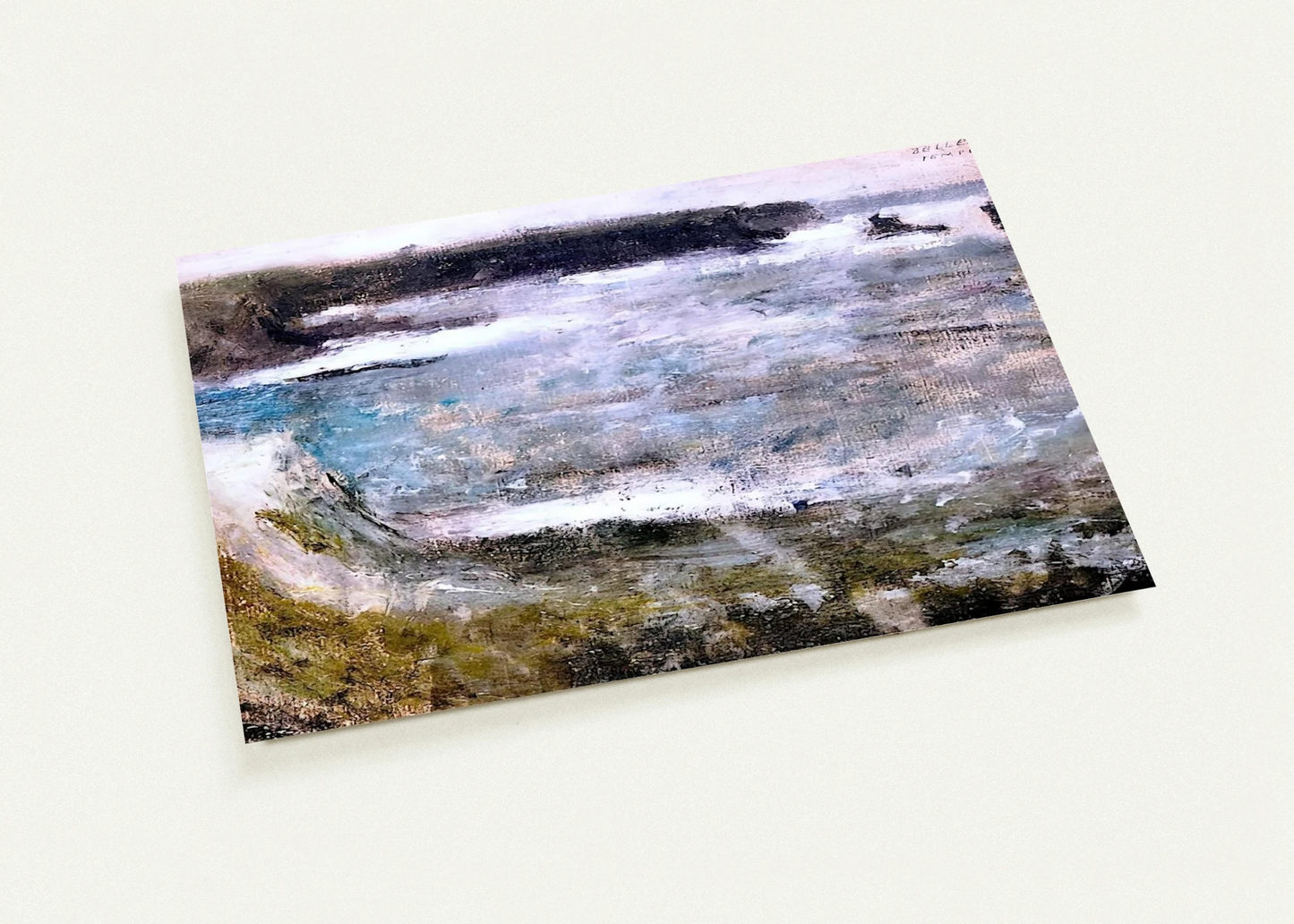
In 1896, long before he became the leader of the Fauvist movement, Henri Matisse traveled to the rugged coast of Brittany. There, at Belle-Île, he encountered the wild, atmospheric energy of the Atlantic. Our exclusive pack of 10 museum-quality postcards features 'Belle Isle Tempête', a pivotal work that captures a churning sea and darkened skies. This piece marks a transformative moment in Matisse's career, influenced by his meeting with John Peter Russell and the burgeoning Impressionist movement.
Archival Quality for the Discerning Collector
At RedKalion, we bridge the gap between historical art and modern precision. Each A6 card is produced using advanced 12-color fine art printing technology. Unlike standard 4-color prints, our process ensures every nuance of Matisse’s brushwork and the subtle shifts in his early palette are preserved with stunning depth and accuracy. These are not merely postcards; they are archival-grade reproductions designed to endure.
Premium Materials and Sustainable Craftsmanship
- Sophisticated Finish: A smooth matte finish ensures a clean, glare-free viewing experience, allowing the textures of the storm to take center stage.
- Substantial Feel: Printed on 200 gsm (80 lb) paper with a thickness of 0.26 mm (10.3 mils), providing a premium, tactile weight.
- Eco-Conscious Choice: We utilize FSC-certified paper, ensuring your appreciation for art aligns with environmental responsibility.
- Bespoke Production: Each set is printed on demand, minimizing waste and ensuring the highest quality control for every order.
Whether used for sophisticated correspondence or as a curated mini-gallery for your home or office, these Henri Matisse post cards elevate your space with a legacy of artistic evolution.
Discover Unlimited Art Possibilities
At RedKalion, you can find virtually any artwork from any artist, available in a wide range of sizes to perfectly match your space.
If you didn’t find what you’re looking for, contact us at support@redkalion.com . We will source any artwork and produce it in any size and format you need, including art prints, posters, canvas, framed pieces, framed canvas, and more.
For dedicated art enthusiasts, we also offer handcrafted replicas of any artwork, carefully painted by highly skilled artists using traditional techniques.
For custom requests, contact us at support@redkalion.com .
What makes these Matisse postcards museum-quality?
RedKalion utilizes 12-color fine art printing technology, which offers superior color vibrancy and accuracy compared to standard 4-color inkjet methods, capturing the true essence of Matisse's original 1896 masterpiece.
What is the weight and finish of the paper used?
Each card is printed on 200 gsm (80 lb) FSC-certified paper with a thickness of 0.26 mm. The smooth matte finish provides a sophisticated, glare-free surface perfect for display.
Are the materials used for these prints eco-friendly?
Yes, we are committed to sustainability. These postcards are printed on environmentally conscious, FSC-certified paper, ensuring the materials are sourced from responsibly managed forests.
How long does it take for my order to be produced?
We operate on a print-on-demand basis with no minimum orders. This ensures your pack of 10 postcards is freshly produced specifically for you before shipping.
Will the colors on the Belle Isle cards fade over time?
Our archival-grade 12-color printing and high-quality 200 gsm paper are designed for longevity, maintaining color vibrancy and preventing fading when kept in standard display conditions.
What was the significance of Matisse's 1896 visit to Belle-Île?
This period was a major turning point for Matisse. Influenced by the Impressionist techniques he observed in Brittany, he began to move away from traditional academic styles toward a more expressive use of color.
Does 'Belle Isle Tempête' reflect Matisse's Fauvist style?
While not yet 'Fauve,' this 1896 work shows the atmospheric influence of Impressionism. It represents the foundational experimentation with light and nature that eventually led to his revolutionary Fauvist period.