RedKalion
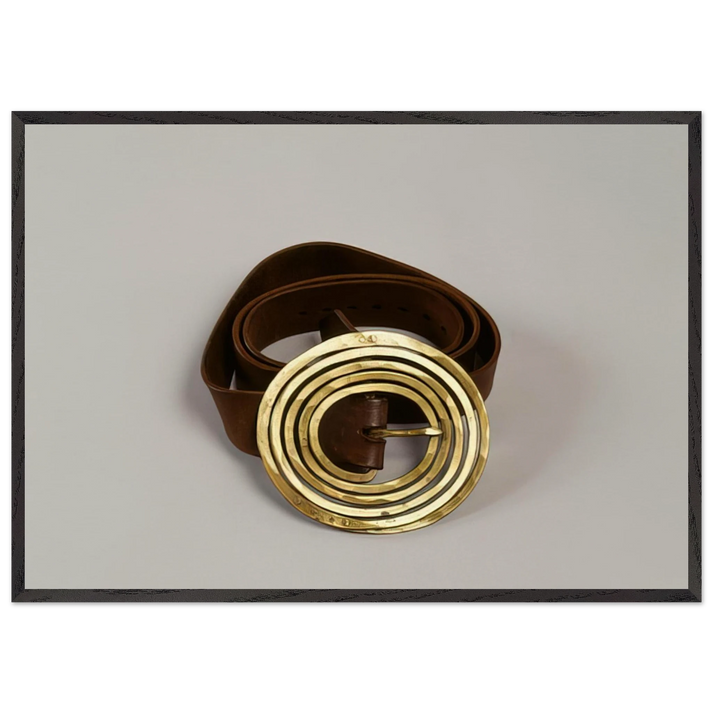
BELT 1943 - Alexander Calder 70x100 cm / 28x40 inches Framed Art Print – Black Wooden Frame
BELT 1943 - Alexander Calder 70x100 cm / 28x40 inches Framed Art Print – Black Wooden Frame
Couldn't load pickup availability
Alexander Calder: BELT 1943 – A Masterpiece of Mid-Century Abstraction
Elevate your interior with this museum-quality reproduction of Alexander Calder's 'BELT 1943'. As a pioneer of kinetic art and the inventor of the mobile, Calder transformed the very nature of sculpture. This piece, created during the height of World War II, reflects a sophisticated transition toward organic abstraction, capturing a sense of movement and equilibrium even in two-dimensional form.
At RedKalion, we curate only the finest archival-grade reproductions. This 70x100 cm (28x40 inches) framed art print is meticulously produced on 250 gsm (110 lb) archival museum-quality paper. This heavy-weight, matte, and uncoated natural white paper ensures that the bold contrasts and intricate lines of Calder's vision are preserved with stunning clarity and depth for generations.
Premium Craftsmanship and Sustainable Elegance
Our commitment to excellence extends to the physical presentation of the artwork. Each print is housed in a responsibly sourced black wooden frame, crafted from high-quality oak and ash. With a robust profile of 20mm (0.79") in thickness and width, this frame provides a substantial, modern presence that far exceeds standard commercial frames.
- Archival Longevity: FSC-certified, acid-free paper ensures your print remains vibrant without yellowing.
- Sophisticated Protection: Shatterproof, transparent plexiglass protects the delicate surface of the artwork while maintaining crystal-clear visibility.
- Ready to Exhibit: Your Calder print arrives with a professional hanging kit, ready to be mounted directly upon arrival.
- Sustainable Luxury: We utilize environmentally conscious materials, ensuring your art collection reflects both taste and responsibility.
By choosing this RedKalion edition of BELT 1943, you are not simply purchasing a print; you are investing in a piece of art history, presented with the technical precision and material integrity that Calder’s legacy demands.

Discover Unlimited Art Possibilities
At RedKalion, you can find virtually any artwork from any artist, available in a wide range of sizes to perfectly match your space.
If you didn’t find what you’re looking for, contact us at support@redkalion.com . We will source any artwork and produce it in any size and format you need, including art prints, posters, canvas, framed pieces, framed canvas, and more.
For dedicated art enthusiasts, we also offer handcrafted replicas of any artwork, carefully painted by highly skilled artists using traditional techniques.
For custom requests, contact us at support@redkalion.com .
What defines the paper quality of this Alexander Calder print?
We use 250 gsm (110 lb) archival museum-quality paper. It is a natural white, uncoated, and matte paper that provides a premium tactile feel and prevents glare, ensuring the artwork's details are perfectly visible.
Is the frame included and what are its dimensions?
Yes, this is a fully framed art print. The black frame is made from solid oak or ash, measuring 20mm (0.79") in both thickness and width for a premium, gallery-style aesthetic.
How is the artwork protected during shipping?
The print is protected by shatterproof plexiglass and secured in robust, protective packaging to ensure it arrives in pristine condition. A hanging kit is included for immediate installation.
What makes this an archival-grade reproduction?
RedKalion uses FSC-certified, acid-free materials and high-pigment printing processes. This ensures museum-level longevity, preventing the paper from degrading or the colors from fading over time.
How does the hanging system work?
Each framed print arrives ready-to-hang. We include a high-quality hanging kit designed specifically for the 70x100 cm frame size, allowing for a secure and level display on your wall.
What is the significance of the year 1943 in Calder's work?
1943 was a pivotal year for Calder; it was the year of his major retrospective at MoMA. Works like 'BELT' demonstrate his mastery of organic shapes and visual balance during a period of intense creative refinement.
Why is this specific Calder work titled 'BELT'?
Calder often used titles that referenced the linear and rhythmic qualities of his compositions. 'BELT' likely refers to the continuous, looping movement suggested by the abstract forms that characterize his wire-based aesthetic.