RedKalion
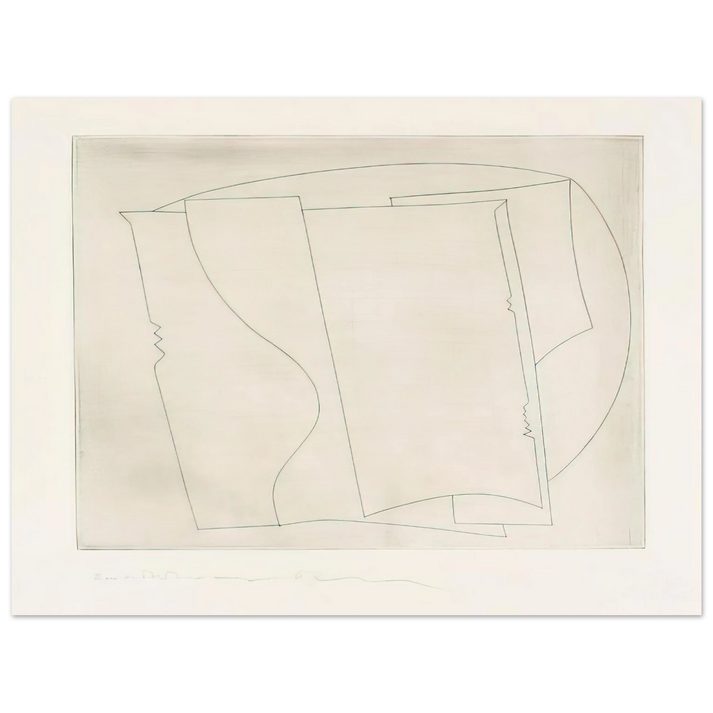
Ben Nicholson - Ronco - 1967 75x100 cm / 30x40inches Fine Art Poster
Ben Nicholson - Ronco - 1967 75x100 cm / 30x40inches Fine Art Poster
Couldn't load pickup availability
Ben Nicholson: Ronco (1967) – A Masterpiece of Abstract Modernism
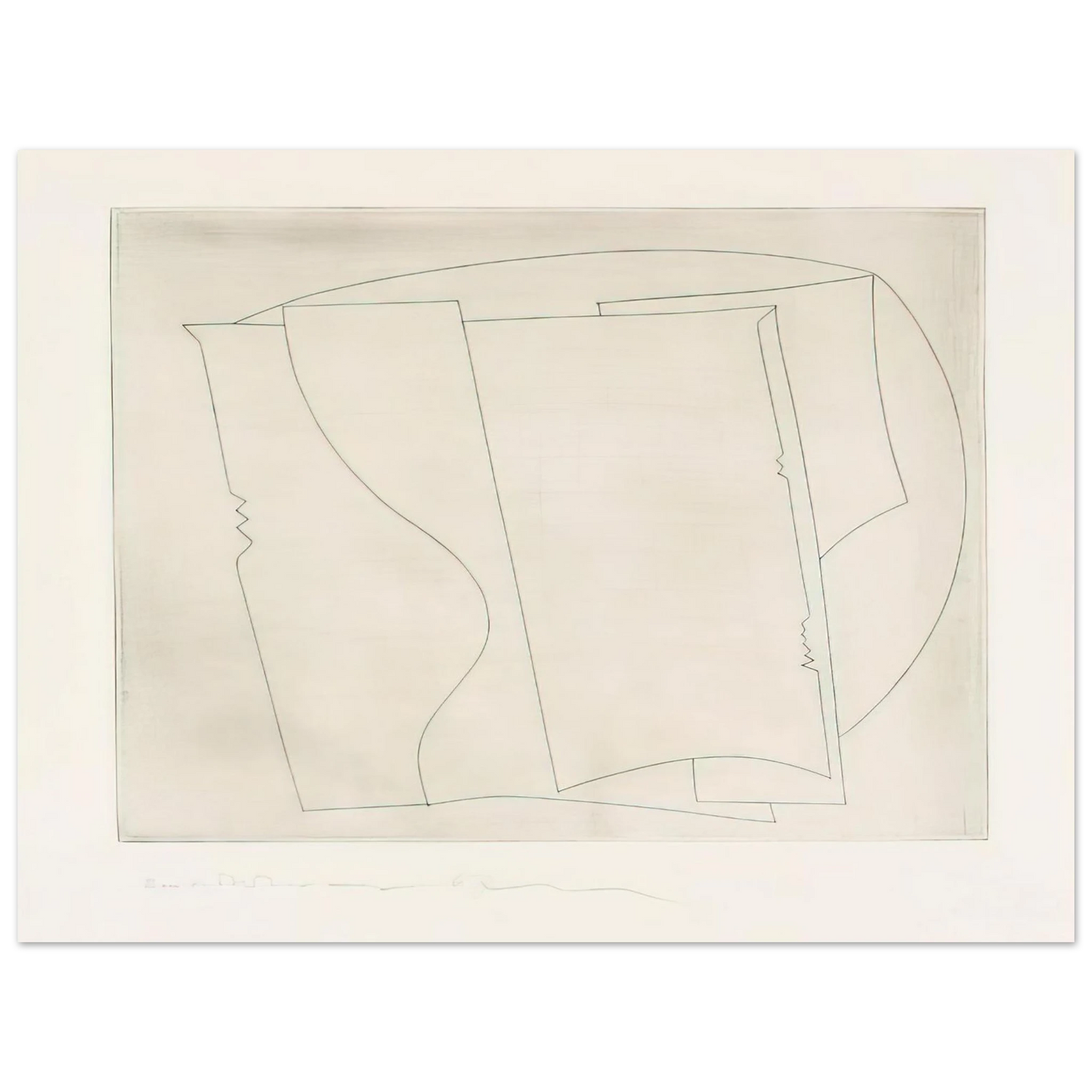
Immerse yourself in the rhythmic precision of Ben Nicholson's 'Ronco' (1967), a definitive work from the artist's prolific late period in Switzerland. This fine art print captures Nicholson's unparalleled ability to harmonize landscape inspiration with geometric abstraction. The composition reflects the serene architectural and natural beauty of Ronco sopra Ascona, translated through the artist’s signature etched lines and layered forms.
As a cornerstone of British Modernism, Nicholson’s 1967 works represent a sophisticated synthesis of his career-long exploration of depth and surface. RedKalion is proud to offer this museum-quality reproduction, meticulously crafted to preserve the subtle nuances of the original's texture and tone. This 75x100 cm (30x40 inches) poster serves as an intellectual and aesthetic anchor for any contemporary interior.
Premium Materials & Archival Quality
Our commitment to excellence ensures that this reproduction meets the highest standards of the art world. Each print is produced on Master's Edition archival paper, providing a foundation that rivals the original's tactile depth. The physical specifications include:
- Paper Weight: 250 gsm (110 lb) for a substantial, premium feel.
- Finish: Matte, uncoated, natural white (off-white) to eliminate glare and highlight detail.
- Thickness: 0.29 mm (11.4 mils) for high durability.
- Archival Integrity: Acid-free (pH above 7), ensuring your investment remains vibrant and yellowing-free for decades.
- Sustainably Sourced: Printed on FSC-certified paper, reflecting our dedication to environmental responsibility.
Elevate your space with an archival masterpiece that endures. RedKalion delivers a curated experience, providing prints that are printed and shipped on demand with the precision of a professional gallery.
Discover Unlimited Art Possibilities
At RedKalion, you can find virtually any artwork from any artist, available in a wide range of sizes to perfectly match your space.
If you didn’t find what you’re looking for, contact us at support@redkalion.com . We will source any artwork and produce it in any size and format you need, including art prints, posters, canvas, framed pieces, framed canvas, and more.
For dedicated art enthusiasts, we also offer handcrafted replicas of any artwork, carefully painted by highly skilled artists using traditional techniques.
For custom requests, contact us at support@redkalion.com .
What paper quality is used for the Ben Nicholson Ronco print?
We use Master's Edition archival paper, weighing 250 gsm (110 lb). This museum-quality paper is acid-free and FSC-certified, offering a luxurious, heavy feel that ensures the longevity of your Ben Nicholson reproduction.
Is the Ronco 1967 poster archival-safe?
Yes, the paper is acid-free with a pH above 7. This prevents the paper from yellowing or becoming brittle over time, ensuring your fine art print maintains its original integrity for generations.
How is the print shipped and what is the minimum order?
Each print is produced on-demand with no minimum order requirements. We ship globally using protective packaging to ensure your 75x100 cm museum-quality print arrives in pristine condition.
What is the texture and finish of the paper?
The print features a matte, uncoated finish on natural white (off-white) paper. This creates a sophisticated, non-reflective surface that emphasizes the delicate linear work of Nicholson's 1967 composition.
Is the paper used for this fine art print sustainable?
Absolutely. RedKalion utilizes FSC-certified paper or equivalent certifications depending on regional availability. This supports responsible forest management while delivering a premium, museum-grade product.
What inspired Ben Nicholson to create 'Ronco' in 1967?
'Ronco' is inspired by Ronco sopra Ascona in Switzerland, where Nicholson lived. It reflects his obsession with the interplay between the built environment and the rugged landscape, distilled into a balanced abstract form.