

RedKalion
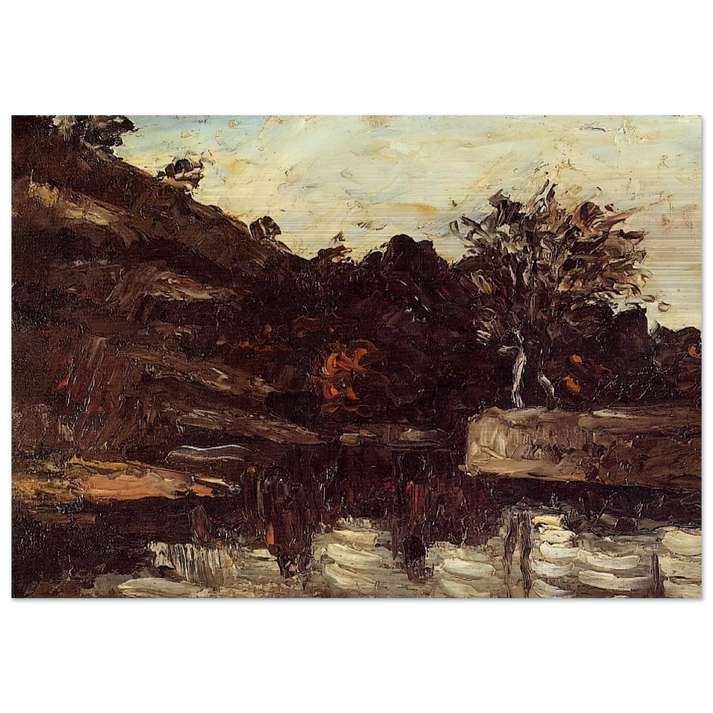
Bend in the River - Paul Cézanne Brushed Aluminum Print - 70x100 cm / 28x40 inches | Paul Cézanne Aluminum Print | Paul Cézanne Prints
Bend in the River - Paul Cézanne Brushed Aluminum Print - 70x100 cm / 28x40 inches | Paul Cézanne Aluminum Print | Paul Cézanne Prints
Couldn't load pickup availability
Elevate Your Space with Paul Cézanne’s Post-Impressionist Vision
Paul Cézanne’s Bend in the River is a masterclass in the structural exploration of nature. As the 'father of modern art,' Cézanne moved beyond the fleeting light of Impressionism to seek the permanent, geometric essence of the landscape. This particular composition captures the serene yet complex interaction between water, foliage, and the rugged terrain of Provence. By choosing this museum-quality reproduction, you are bringing a pivotal moment of art history into your home, where every constructive brushstroke is rendered with breathtaking clarity.
The Sophistication of Brushed Silver Aluminum DIBOND®
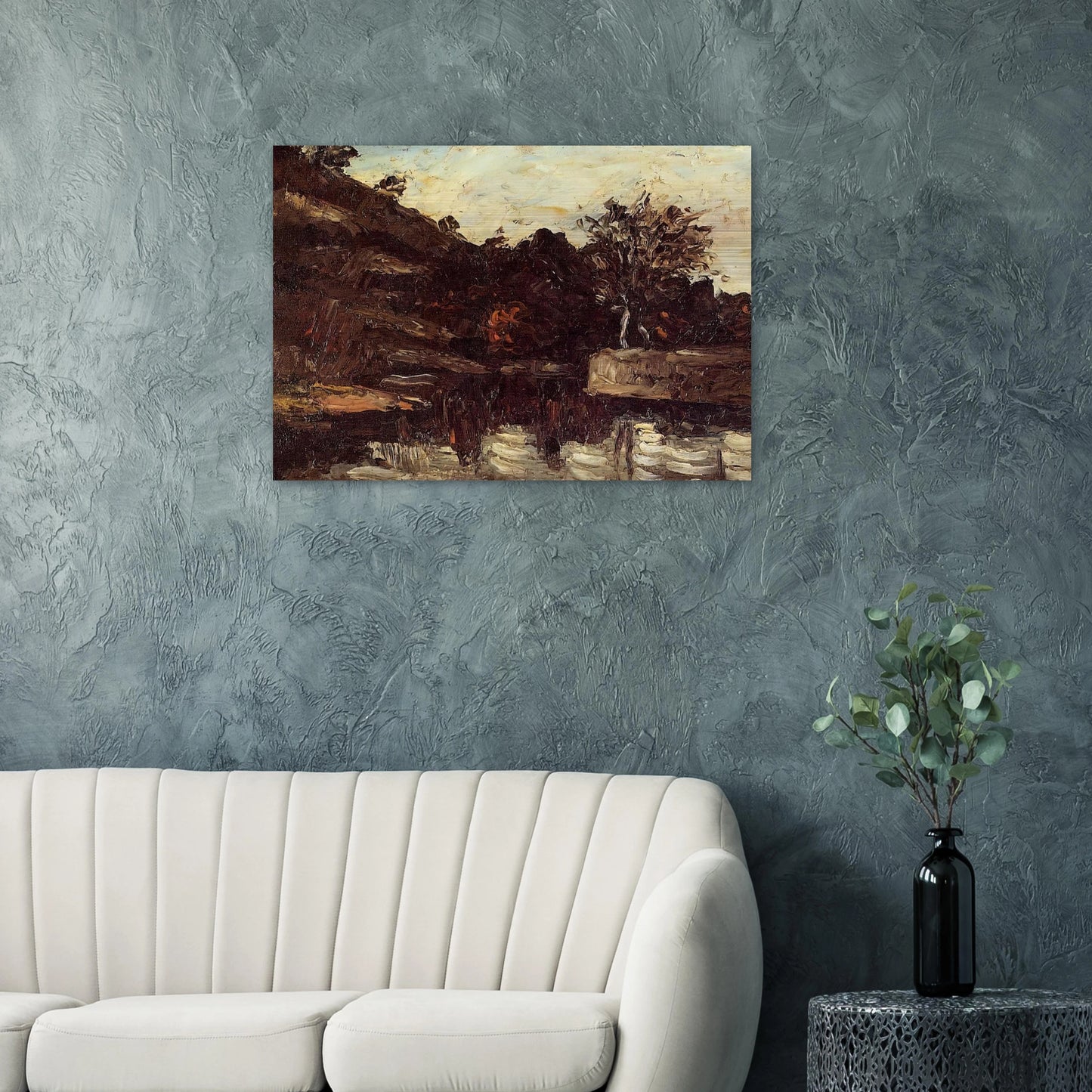
At RedKalion, we believe that a masterpiece deserves a medium that matches its gravity. This Paul Cézanne aluminum print is executed on premium 3mm (0.12") brushed silver Aluminum DIBOND®. This material choice transforms the classic landscape into a contemporary focal point. The unique horizontal grain of the metallic finish adds a dynamic quality to the water and sky, creating a sense of movement as you view the piece from different angles.
- Material: Brushed silver Aluminum DIBOND® with a sophisticated metallic finish.
- Visual Depth: Unprinted white areas reveal the raw metallic silver effect for a striking industrial-chic aesthetic.
- Durability: 3mm thickness provides a rigid, archival-grade base that resists warping and aging.
- Matte Finish: A glare-free surface ensures the intricate textures of Cézanne's technique remain visible in any lighting condition.
- Ready to Hang: Each print includes a high-quality hanging kit tailored to your location.
By integrating this fine art print into your collection, you are choosing an archival masterpiece that endures. RedKalion’s commitment to precision printing ensures that the vivid colors and matte finish honor Cézanne’s original palette while providing the durability of modern materials. Experience the intersection of 19th-century genius and 21st-century craftsmanship.


Discover Unlimited Art Possibilities
At RedKalion, you can find virtually any artwork from any artist, available in a wide range of sizes to perfectly match your space.
If you didn’t find what you’re looking for, contact us at support@redkalion.com . We will source any artwork and produce it in any size and format you need, including art prints, posters, canvas, framed pieces, framed canvas, and more.
For dedicated art enthusiasts, we also offer handcrafted replicas of any artwork, carefully painted by highly skilled artists using traditional techniques.
For custom requests, contact us at support@redkalion.com .
What are the features of the brushed aluminum material?
Our brushed silver Aluminum DIBOND® is 3mm thick, featuring a horizontal grain and a metallic finish. This creates a dynamic, industrial look where white areas of the artwork reveal the raw silver surface for a unique, high-contrast visual effect.
How does the metallic finish affect the appearance of Paul Cézanne's work?
The brushed silver effect adds a modern luminosity to Cézanne’s earth tones. The matte, glare-free finish ensures his structural brushstrokes are highlighted without distracting reflections, making it perfect for bright rooms or galleries.
Is the hanging hardware included with my order?
Yes, every RedKalion aluminum print comes with a specialized hanging kit. The specific hardware varies by fulfillment country to ensure the most secure and aesthetic mounting solution for your 70x100 cm masterpiece.
How does RedKalion ensure the archival quality of the print?
We use direct-to-substrate printing on rigid AluDibond, ensuring UV resistance and color longevity. This archival-grade material is moisture-resistant and highly durable, protecting your fine art investment for decades without the need for glass.
What is the estimated shipping time for this fine art reproduction?
Shipping times vary by location, but most orders are processed and delivered within 5-10 business days. Each print is securely packaged in professional-grade materials to ensure it arrives in pristine, museum-ready condition.
What historical period does 'Bend in the River' represent?
This piece represents the Post-Impressionist era, specifically Cézanne's 'constructive period.' It showcases his transition toward simplifying nature into geometric shapes, a technique that directly paved the way for the Cubist movement in the 20th century.
Why did Cézanne choose to paint landscapes like this repeatedly?
Cézanne was obsessed with capturing the 'enduring' qualities of nature. By returning to riverbanks and mountains, he could experiment with light and form, attempting to find a permanent structural harmony rather than just capturing a fleeting moment.