RedKalion
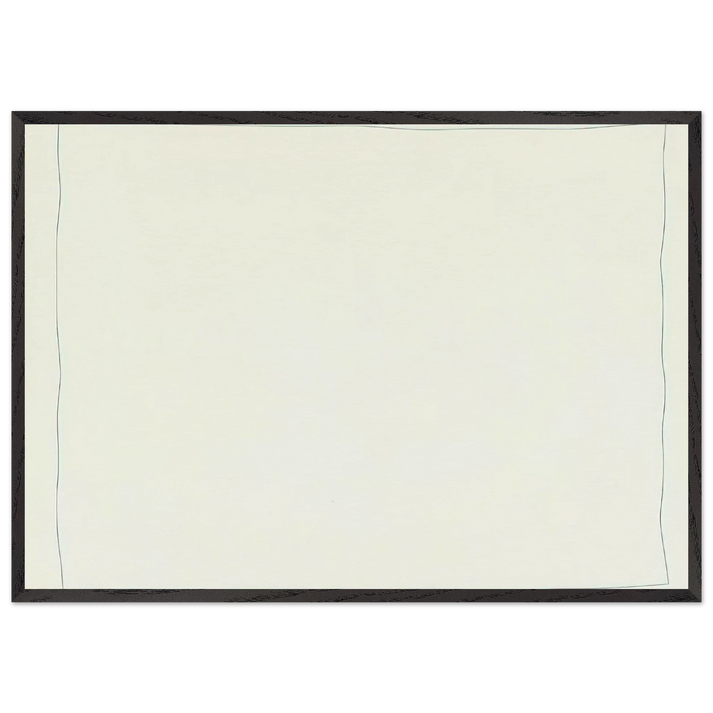
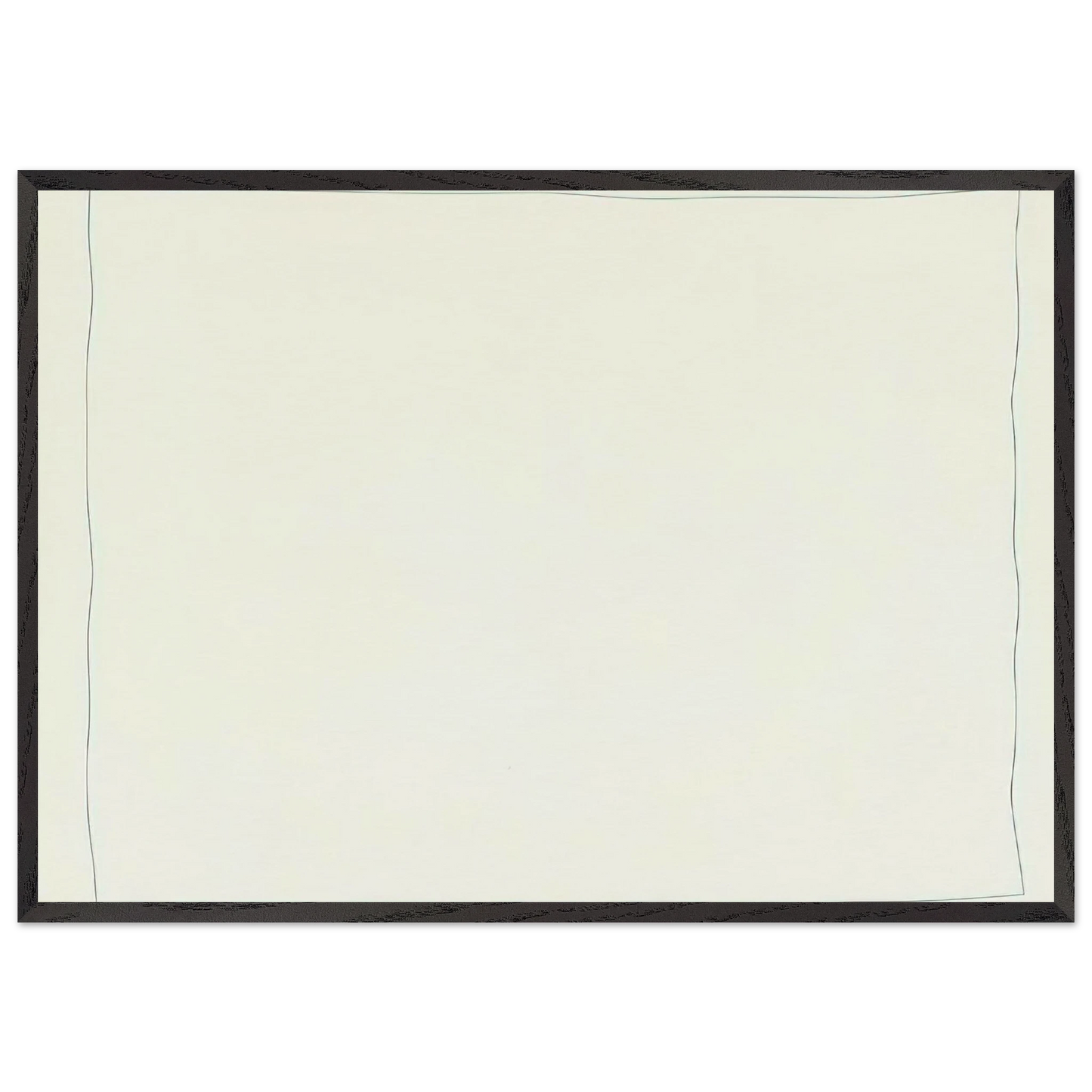
Bent Line Drawing - Robert Ryman 70x100 cm / 28x40 inches Framed Art Print – Black Wooden Frame
Bent Line Drawing - Robert Ryman 70x100 cm / 28x40 inches Framed Art Print – Black Wooden Frame
Couldn't load pickup availability
Rediscover Minimalism: The Elegance of Robert Ryman’s Bent Line Drawing
Experience the profound simplicity of Robert Ryman’s Bent Line Drawing, a definitive expression of Minimalist art. Ryman, a central figure in American Conceptualism, dedicated his career to exploring the tactile nature of medium and support. This museum-quality reproduction captures the delicate intentionality of his lines, offering a sophisticated focal point for the modern interior.
At RedKalion, we honor Ryman’s legacy by utilizing archival museum-quality paper. This natural white, matte, uncoated paper features a substantial weight of 250 gsm (110 lb) and a thickness of 0.29 mm, ensuring the subtle nuances and tonal shifts of the original composition are preserved with absolute clarity. The piece is encased in a premium black wooden frame, meticulously crafted from responsibly sourced oak and ash.
Unlike standard commercial frames, our 20mm (0.79") thick and wide frame provides a bold, gallery-standard presence that commands attention. Every detail, from the protective shatterproof plexiglass to the professional hanging kit, is engineered for longevity and ease of installation. Elevate your space with an archival masterpiece that endures, positioning your collection at the intersection of history and contemporary design.
- Sustainable Materials: FSC-certified paper and responsibly sourced wood frames.
- Archival Integrity: Acid-free, natural white paper designed to resist yellowing over time.
- Ready to Hang: Arrives fully assembled with a premium hanging kit included.
- Gallery Specifications: 20mm profile for a more substantial, premium aesthetic compared to thin 14mm alternatives.
Discover Unlimited Art Possibilities
At RedKalion, you can find virtually any artwork from any artist, available in a wide range of sizes to perfectly match your space.
If you didn’t find what you’re looking for, contact us at support@redkalion.com . We will source any artwork and produce it in any size and format you need, including art prints, posters, canvas, framed pieces, framed canvas, and more.
For dedicated art enthusiasts, we also offer handcrafted replicas of any artwork, carefully painted by highly skilled artists using traditional techniques.
For custom requests, contact us at support@redkalion.com .
What paper quality is used for the Robert Ryman print?
We use 250 gsm (110 lb) archival museum-quality paper. It is natural white, matte, and uncoated, ensuring long-lasting color fidelity and a premium tactile feel for your fine art print.
How is the frame constructed?
The frame is made from responsibly sourced oak and ash wood. It measures 20mm (0.79") in both thickness and width, offering a more robust and premium profile than standard gallery frames.
Is the artwork protected during shipping?
Yes, each framed print features shatterproof plexiglass to protect the artwork from damage. We use specialized, secure packaging to ensure your reproduction arrives in pristine condition.
Is the hanging hardware included?
Every framed art print from RedKalion comes with a ready-to-hang kit. The piece is pre-assembled, allowing you to elevate your interior space immediately upon delivery.
Is the wood used for the frames sustainable?
Absolutely. RedKalion uses FSC-certified materials or equivalent standards, ensuring that your black wooden frame is as environmentally responsible as it is aesthetically pleasing.
Who was Robert Ryman and why is his work significant?
Robert Ryman was a pioneer of Minimalism and Conceptual art. His work focuses on the process of painting and the interaction between the medium and the wall, rather than representational imagery.
What makes the Bent Line Drawing unique in minimalist art?
The piece explores the purity of line and the subtle tension between geometry and the artist's gesture, making it a cornerstone of conceptual exploration and minimalist history.