RedKalion
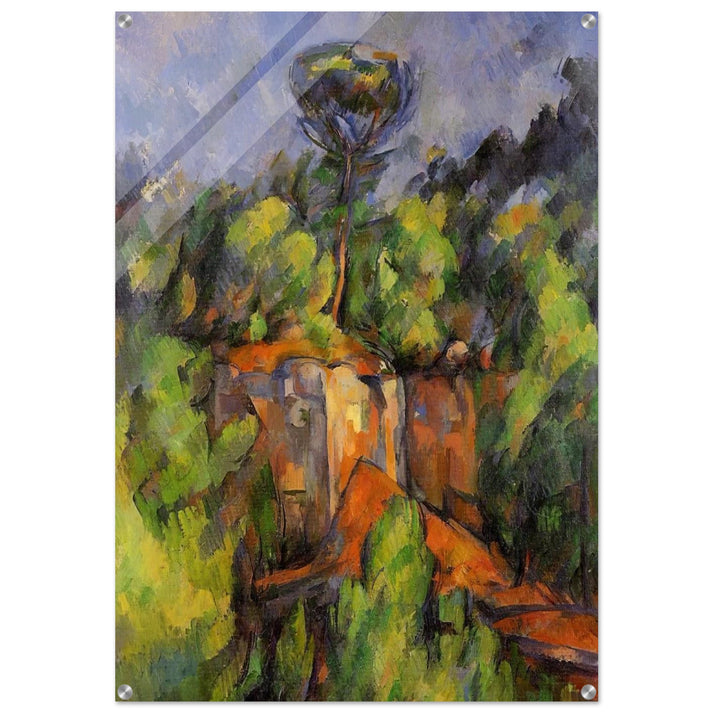
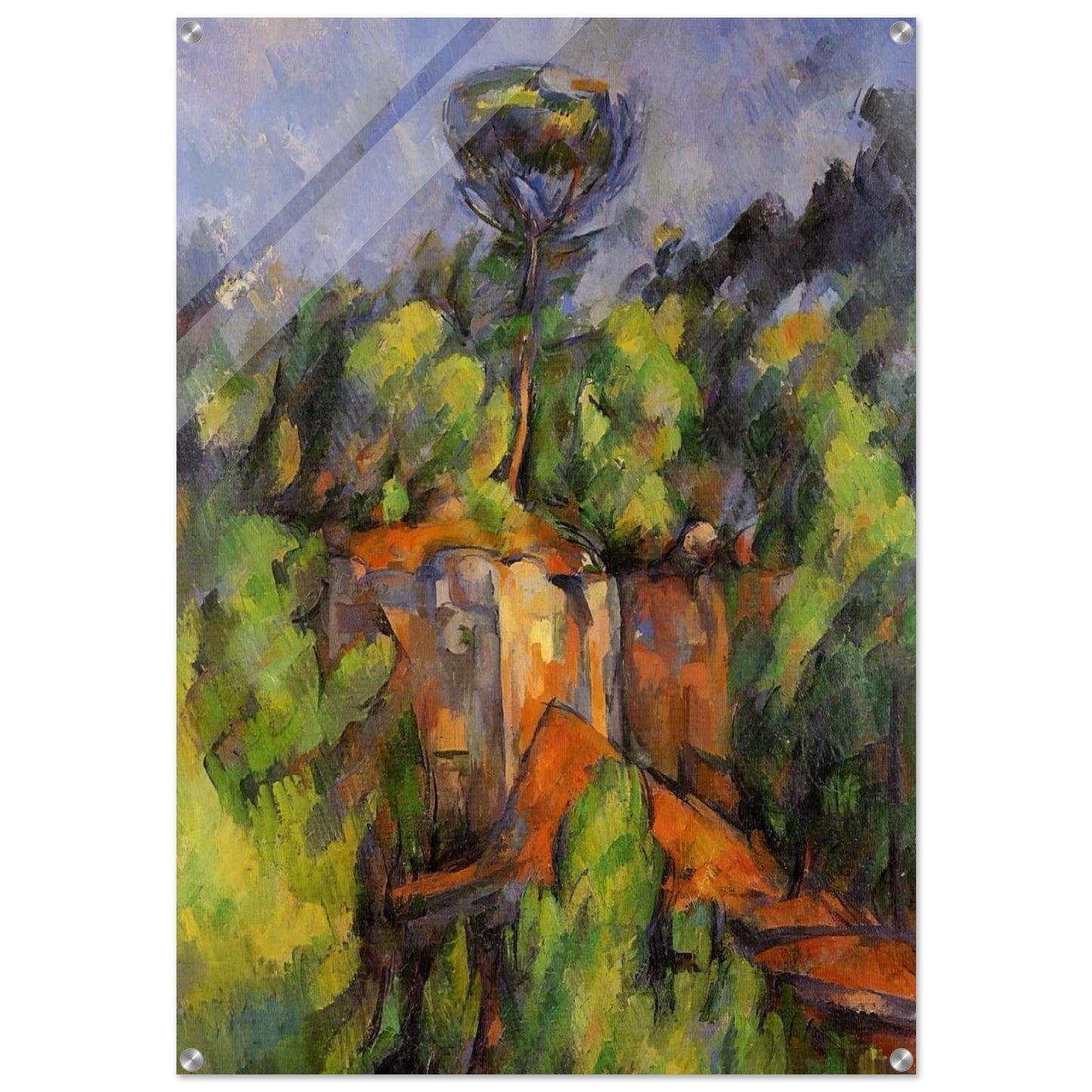
Bibemus Quarry - Paul Cézanne Acrylic Print - 70x100 cm / 28x40″ inches | Paul Cézanne Wall Art | Paul Cézanne Prints
Bibemus Quarry - Paul Cézanne Acrylic Print - 70x100 cm / 28x40″ inches | Paul Cézanne Wall Art | Paul Cézanne Prints
Couldn't load pickup availability
A Masterpiece of Structural Post-Impressionism: Bibemus Quarry by Paul Cézanne
Experience the architectural rigor of Paul Cézanne’s Bibemus Quarry, a seminal work that bridges the gap between Impressionism and the birth of Cubism. This museum-quality fine art print captures the raw, geometric beauty of the abandoned sandstone quarries near Aix-en-Provence, where Cézanne rented a small cabin to study the interplay of nature's structure and light.
Our Paul Cézanne acrylic print is engineered to preserve the rich, ochre tones and rhythmic brushstrokes of the original 1895 masterpiece. By utilizing a 4mm (0.15") acrylic substrate, we achieve a depth and vibrancy that standard paper cannot replicate, making this an essential acquisition for collectors seeking high-fidelity Paul Cézanne wall art.
RedKalion is dedicated to providing archival-grade reproductions that serve as a testament to art history. Every 70x100 cm piece is meticulously crafted to ensure the colors remain lightfast and the details sharp, providing an immersive viewing experience that transforms any modern interior into a gallery-like space.
Premium Material Specifications
- Material: High-grade 4mm (0.15") acrylic for a sleek, glass-like finish and exceptional durability.
- Design: Modern straight-cut corners with transparent background areas optimized to white for maximum color pop.
- Hanging System: Includes a full mounting kit with hardware and pre-drilled holes at each corner (14mm from the edge).
- Dimensions: 70x100 cm (28x40″), ideal as a centerpiece for professional or residential environments.
Elevate your collection with this archival masterpiece from RedKalion, where we combine historical expertise with cutting-edge printing technology to honor the legacy of Paul Cézanne.
Discover Unlimited Art Possibilities
At RedKalion, you can find virtually any artwork from any artist, available in a wide range of sizes to perfectly match your space.
If you didn’t find what you’re looking for, contact us at support@redkalion.com . We will source any artwork and produce it in any size and format you need, including art prints, posters, canvas, framed pieces, framed canvas, and more.
For dedicated art enthusiasts, we also offer handcrafted replicas of any artwork, carefully painted by highly skilled artists using traditional techniques.
For custom requests, contact us at support@redkalion.com .
What are the physical dimensions and weight of this Paul Cézanne print?
This print measures 70x100 cm (28x40″). The use of 4mm thick acrylic provides a substantial, high-quality weight while remaining manageable for standard wall mounting using the included professional hardware kit.
How is the acrylic print mounted to the wall?
Each print includes a dedicated hanging kit with screws. The acrylic features pre-drilled holes in each corner, located 14mm from the edge, with an 8mm diameter to accommodate the 15mm screw heads for a secure fit.
Will the colors fade over time in a sunlit room?
No. RedKalion uses archival-grade inks and UV-resistant 4mm acrylic to ensure your fine art reproduction maintains its vibrant ochre and deep green hues for decades, resisting yellowing and light-induced degradation.
How should I clean and maintain my acrylic wall art?
Maintain the sleek, vibrant finish by gently wiping the surface with a soft, non-abrasive microfiber cloth. Avoid harsh chemicals or glass cleaners; a damp cloth is sufficient to preserve the crystal-clear transparency of the acrylic.
How is the artwork protected during shipping?
We employ rigorous museum-standard packaging protocols. Your acrylic print is securely encased in protective layers and rigid crating to prevent scratches or impact damage, ensuring it arrives at your door in pristine condition.
What is the historical significance of the Bibémus Quarry in Cézanne’s career?
The Bibémus Quarry was a pivotal location where Cézanne developed his 'constructive stroke.' The site’s geometric rock faces allowed him to explore the structural foundations of nature, directly influencing the eventual development of 20th-century Cubism.
Why did Cézanne choose these specific ochre and orange tones?
Cézanne utilized the natural warm pigments of the Provençal sandstone to create contrast with the cool greens of the pines. This balanced palette allowed him to organize the landscape into a cohesive, rhythmic composition of light and mass.