RedKalion
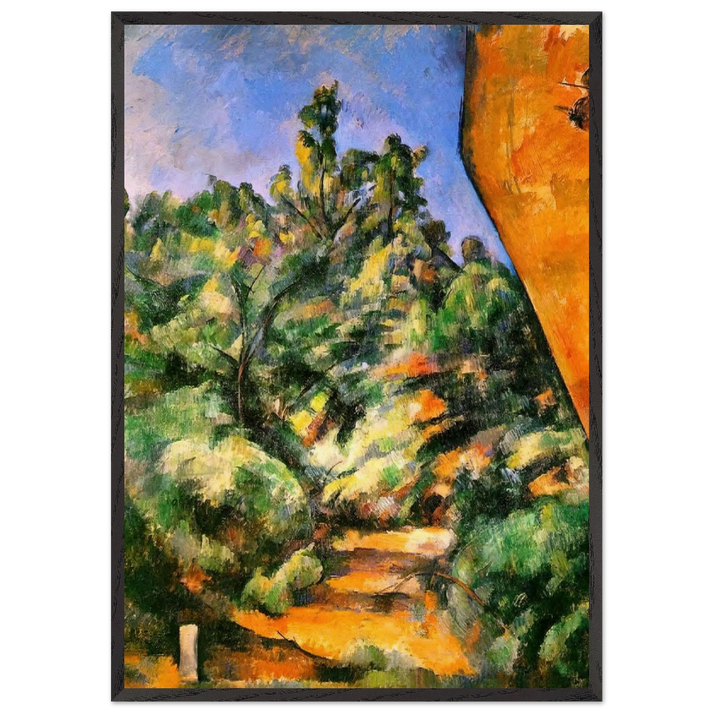
Bibemus The Red Rock - Paul Cezanne 70x100 cm / 28x40 inches Framed Art Print – Black Wooden Frame
Bibemus The Red Rock - Paul Cezanne 70x100 cm / 28x40 inches Framed Art Print – Black Wooden Frame
Couldn't load pickup availability
Elevate Your Space with Bibemus The Red Rock by Paul Cézanne
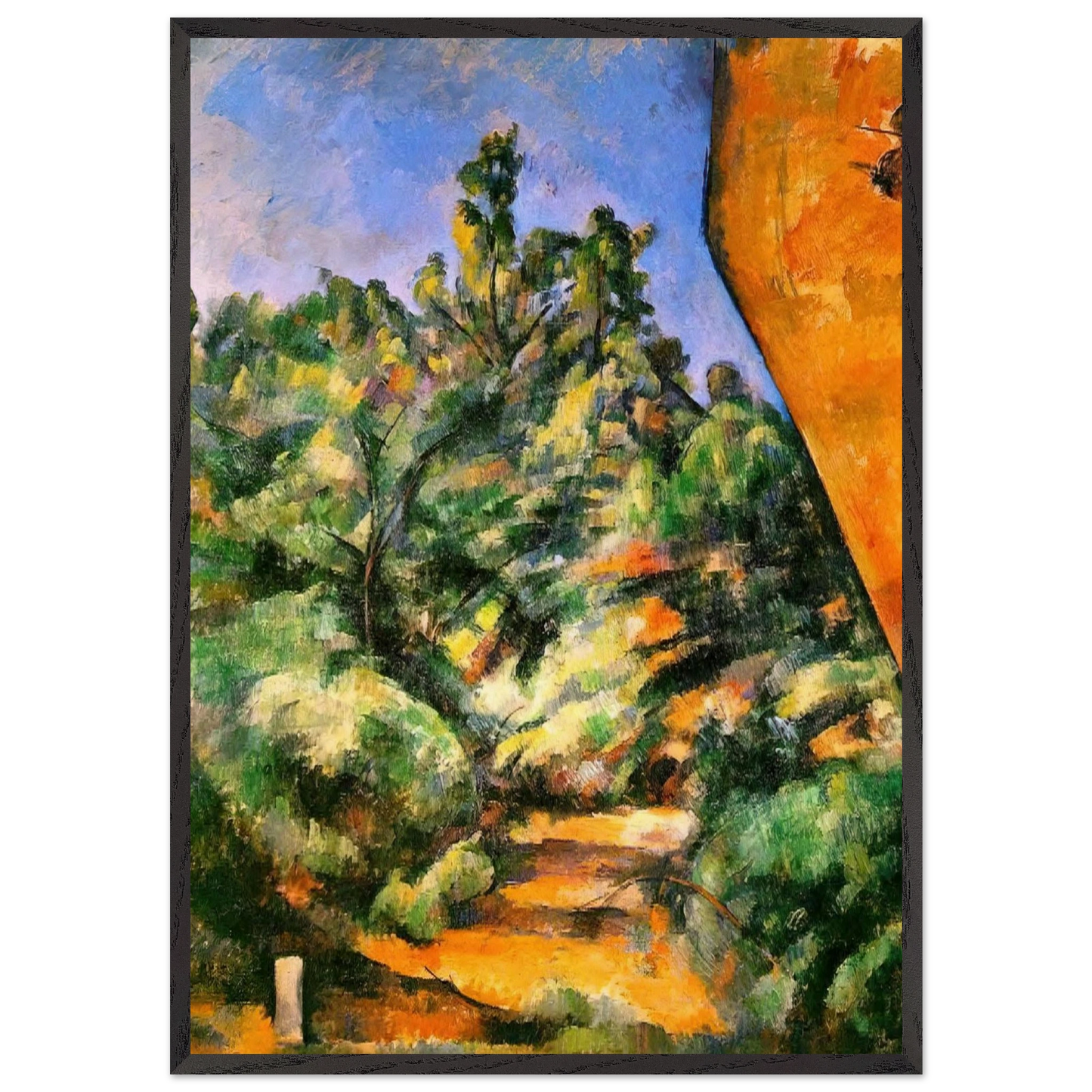
Experience the raw, architectural beauty of Provence through the eyes of the father of modern art. Paul Cézanne’s Bibémus The Red Rock is a seminal Post-Impressionist work that captures the rugged terrain of the Bibémus quarry near Aix-en-Provence. This specific composition is celebrated for its radical shift toward geometric abstraction, where the warm, ochre hues of the limestone rocks contrast harmoniously with the deep emeralds of the Mediterranean pines. At RedKalion, we bring this museum-quality reproduction to your home, ensuring every brushstroke and subtle tonal transition is preserved with archival precision.
The Artistry of Structure and Light
In this piece, Cézanne moved beyond traditional Impressionism, utilizing his signature 'taches'—rhythmic, constructive brushstrokes—to build volume and depth. This analytical approach to nature paved the way for Cubism, making this 70x100 cm (28x40 inches) framed art print a must-have for serious collectors and admirers of modern art history. By focusing on the 'bones' of the landscape, Cézanne invites the viewer to see the world as a series of enduring, solid forms rather than fleeting moments of light.
Museum-Grade Physical Quality
At RedKalion, our commitment to excellence is reflected in the materials we select for our curated collections. This masterpiece is presented on 250 gsm (110 lb), archival-grade museum paper. The natural white, matte finish eliminates glare, allowing the vibrant colors of the Red Rock to resonate in any lighting condition. Each print is housed in a robust 20mm (0.79") thick frame crafted from responsibly sourced oak and ash wood, finished in an elegant black that provides a sophisticated contrast to the artwork's warm palette.
- Archival Longevity: 250 gsm paper with a thickness of 0.29 mm (11.4 mils) ensures your investment endures for generations.
- Premium Framing: A 20mm black wooden frame offers a wider, more substantial profile than standard frames for a truly gallery-like presence.
- Sustainability: We prioritize the planet using FSC-certified materials.
- Protection: Shatterproof plexiglass guards the print against dust and UV damage while maintaining crystal-clear clarity.
- Ready-to-Hang: Delivered with a professional hanging kit for immediate installation.
Discover Unlimited Art Possibilities
At RedKalion, you can find virtually any artwork from any artist, available in a wide range of sizes to perfectly match your space.
If you didn’t find what you’re looking for, contact us at support@redkalion.com . We will source any artwork and produce it in any size and format you need, including art prints, posters, canvas, framed pieces, framed canvas, and more.
For dedicated art enthusiasts, we also offer handcrafted replicas of any artwork, carefully painted by highly skilled artists using traditional techniques.
For custom requests, contact us at support@redkalion.com .
What materials are used for this fine art print?
We use 250 gsm (110 lb) museum-quality, natural white matte paper. It is archival-grade and FSC-certified, ensuring high-definition color reproduction and long-term durability without yellowing over time.
What are the frame specifications for this Cézanne piece?
The print is mounted in a 20mm (0.79") thick and wide frame made from responsibly sourced oak and ash wood. This provides a more substantial and premium aesthetic than standard 14mm frames.
Is the artwork protected from damage?
Yes, each framed print features shatterproof plexiglass. This provides the clarity of glass while ensuring the artwork remains protected from impact and UV light during transit and display.
How is the print prepared for hanging?
Every order from RedKalion arrives ready-to-hang. We include a dedicated hanging kit, allowing you to easily mount your 70x100 cm masterpiece directly onto your wall upon arrival.
Does RedKalion prioritize sustainable materials?
Absolutely. We use FSC-certified paper or equivalent sustainable certifications. Our wood frames are also responsibly sourced, ensuring that your home decor aligns with environmental conservation standards.
What is the significance of the Bibémus quarry in Cézanne’s work?
The Bibémus quarry provided Cézanne with the geometric shapes and rugged textures that allowed him to move away from Impressionism. This location was central to his development of Post-Impressionist structure.
Why is 'Bibemus The Red Rock' considered a precursor to Cubism?
Cézanne’s emphasis on reducing natural forms to cylinders, spheres, and cones within the Bibémus landscapes directly inspired later artists like Picasso and Braque to develop the Cubist movement.