RedKalion
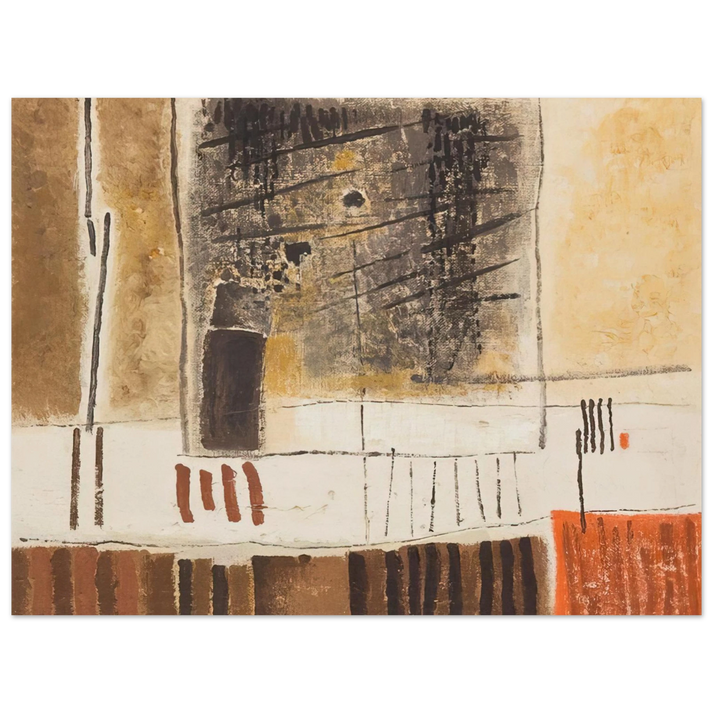
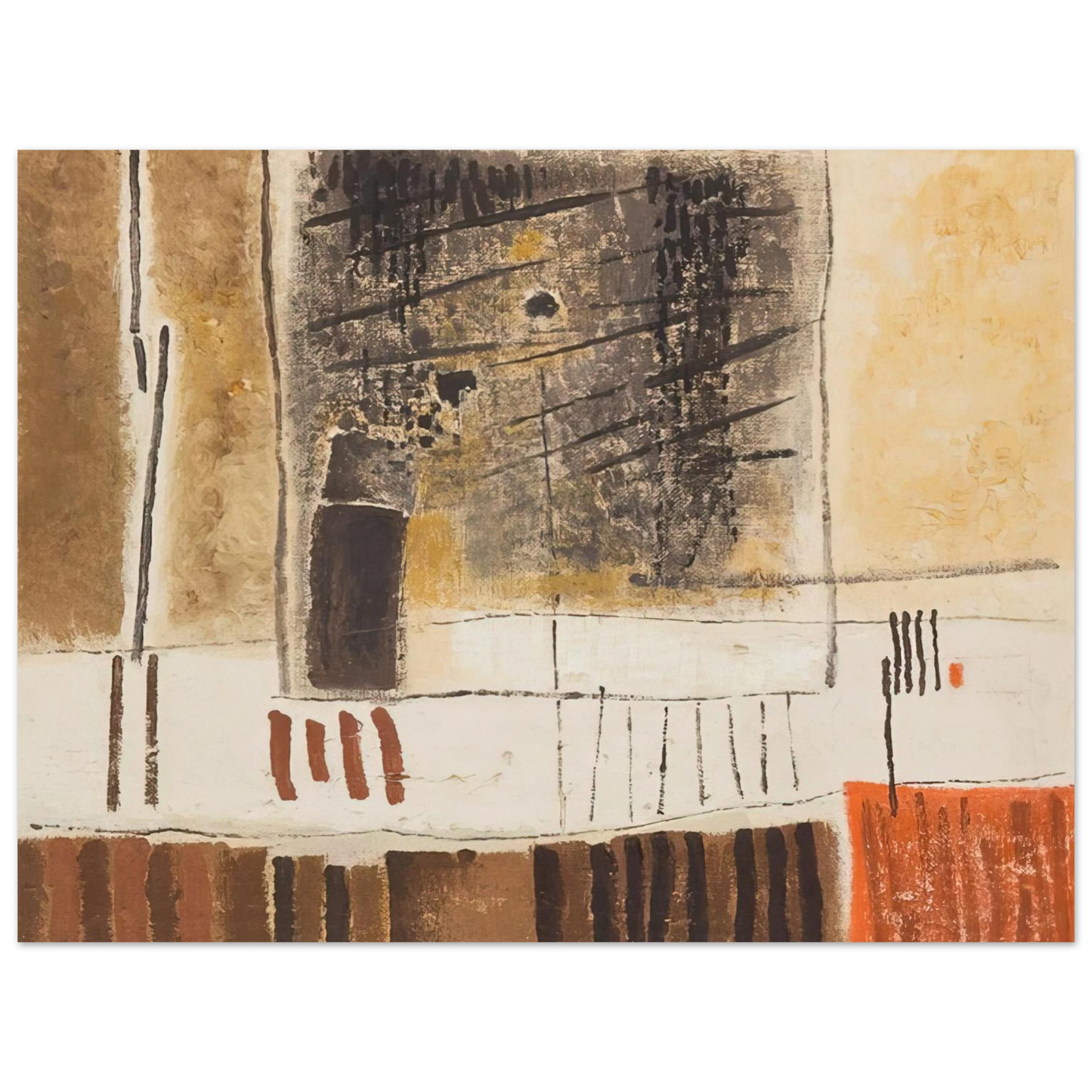
Bice Lazzari - Rhythm - 1956 75x100 cm / 30x40inches Fine Art Poster
Bice Lazzari - Rhythm - 1956 75x100 cm / 30x40inches Fine Art Poster
Couldn't load pickup availability
The Poetic Abstraction of Bice Lazzari’s Rhythm (1956)
Bice Lazzari, a visionary pioneer of Italian abstraction, mastered the art of visual silence and lyrical expression. Her 1956 masterpiece, Rhythm, represents a pivotal moment in her career as she transitioned from applied arts into a realm of pure, graphic 'signs'. This museum-quality reproduction captures every subtle nuance of Lazzari’s disciplined line-work, offering a sophisticated and minimalist focal point for contemporary interiors.
At RedKalion, we honor Lazzari’s legacy by utilizing our Master's Edition archival paper. This natural white, matte finish paper provides a luxurious, uncoated texture that perfectly complements the rhythmic, gestural aesthetic of the mid-century Italian avant-garde. By choosing this fine art print, you are not merely purchasing a poster; you are acquiring a piece of art history meticulously preserved for the modern collector.
Technical Excellence & Material Integrity
- Archival Longevity: Our acid-free paper (pH above 7) ensures your Bice Lazzari fine art print remains vibrant, preventing yellowing or degradation over time.
- Premium Weight & Texture: Printed on 250 gsm (110 lb) paper with a thickness of 0.29 mm, this print possesses the substantial feel and presence of a gallery-held original.
- Sustainable Craftsmanship: We utilize FSC-certified paper, ensuring that your pursuit of aesthetic beauty aligns with environmental responsibility.
- Precision Fulfillment: Each order is printed and shipped on demand with no minimums, ensuring a fresh, pristine arrival directly to your door.
Elevate your space with a work that defines the elegance of Italian Informalism. Bice Lazzari’s Rhythm is an archival masterpiece designed to endure for generations.
Discover Unlimited Art Possibilities
At RedKalion, you can find virtually any artwork from any artist, available in a wide range of sizes to perfectly match your space.
If you didn’t find what you’re looking for, contact us at support@redkalion.com . We will source any artwork and produce it in any size and format you need, including art prints, posters, canvas, framed pieces, framed canvas, and more.
For dedicated art enthusiasts, we also offer handcrafted replicas of any artwork, carefully painted by highly skilled artists using traditional techniques.
For custom requests, contact us at support@redkalion.com .
What defines the quality of this Bice Lazzari print?
This print is produced on our Master's Edition archival paper. It is a museum-quality, 250 gsm (110 lb) natural white paper with a matte, uncoated finish, ensuring a luxurious feel and exceptional detail for Bice Lazzari's 1956 masterpiece.
Is the paper used for Rhythm (1956) sustainable?
Yes, we use exclusively FSC-certified paper. This ensures that your museum-quality reproduction is sourced from responsibly managed forests, combining high-end art curation with environmental sustainability.
How long will this archival-grade reproduction last?
Our prints use acid-free paper with a pH above 7. This archival standard prevents yellowing and preserves the integrity of the rhythmic lines in Lazzari’s work, ensuring it remains in pristine condition for decades.
What are the shipping and fulfillment details?
RedKalion offers on-demand printing with no minimum orders. Each Bice Lazzari print is meticulously produced and shipped in protective packaging to ensure it arrives in gallery condition, ready for display.
Does the fine art print come with a frame?
This specific listing is for the high-quality archival print only. This allows you the flexibility to choose a custom frame that perfectly matches your interior design and highlights the minimalist beauty of Lazzari’s work.
What was Bice Lazzari’s artistic philosophy in 1956?
In 1956, Lazzari focused on 'visual silence' and the rhythm of the sign. She moved away from decorative arts toward pure abstraction, using lines to create a sense of movement and temporal flow on the canvas.
Why is Rhythm considered a pivotal work in Italian abstraction?
Rhythm (1956) showcases Lazzari's transition into Italian Informalism. It represents a shift from physical subject matter to a spiritual, rhythmic language that paved the way for minimalist and conceptual art movements in Europe.