

RedKalion
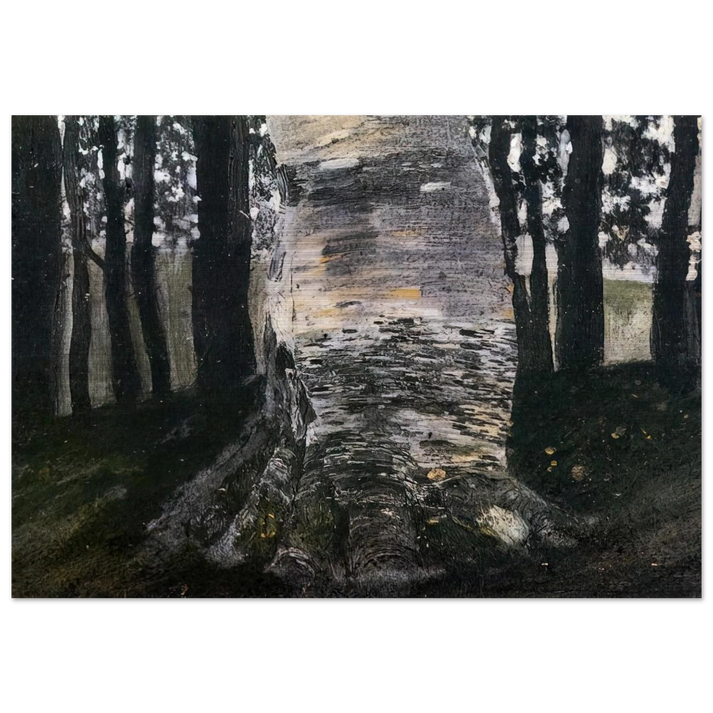
BIRCH IN A FOREST - Gustav Klimt Brushed Aluminum Print - 70x100 cm / 28x40 inches | Gustav Klimt Aluminum Print | Gustav Klimt Prints
BIRCH IN A FOREST - Gustav Klimt Brushed Aluminum Print - 70x100 cm / 28x40 inches | Gustav Klimt Aluminum Print | Gustav Klimt Prints
Couldn't load pickup availability
Experience the Luminous Depth of Gustav Klimt’s Birch in a Forest
Step into the ethereal atmosphere of Gustav Klimt’s Birch in a Forest, a masterpiece that captures the rhythmic verticality and shimmering light of the Austrian woods. Originally painted during Klimt’s summer retreats to Lake Attersee, this piece represents a pinnacle of his landscape period. At RedKalion, we elevate this Secessionist treasure by presenting it on a medium that honors its intricate textures: brushed silver Aluminum DIBOND®.
Klimt was renowned for his mosaic-like application of color, and in Birch in a Forest, his unique technique creates a vibrating field of leaves and bark. Our museum-quality reproduction utilizes a 3mm (0.12") rigid aluminum base with a distinct horizontal grain. This texture interacts dynamically with light, mimicking the natural reflectivity of silver birch bark and adding a contemporary edge to a timeless classic.
The Intersection of Fine Art and Modern Innovation
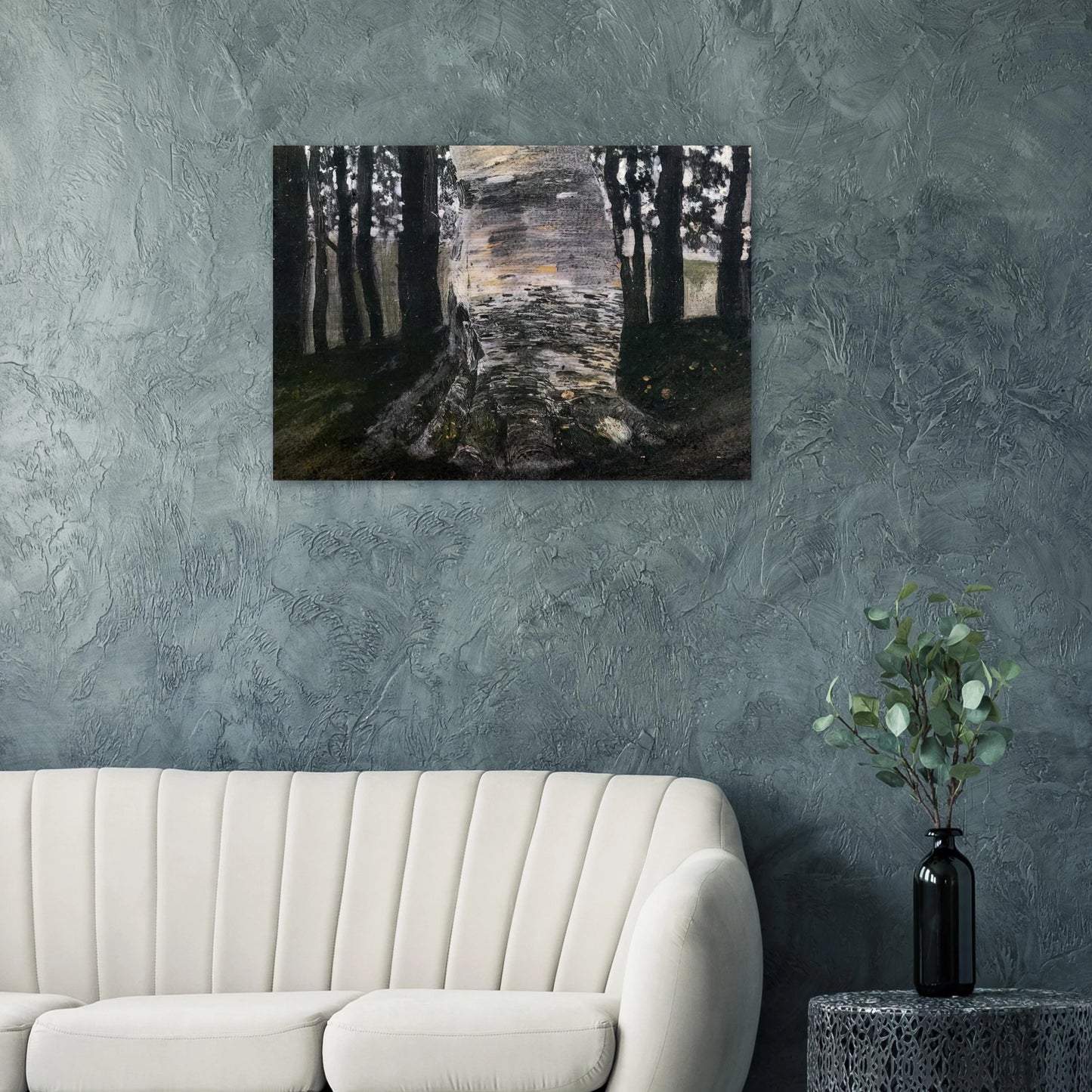
This Gustav Klimt Aluminum Print is more than a reproduction; it is a sophisticated design statement. The direct-to-substrate printing process ensures vivid color saturation with a sophisticated matte, glare-free finish. In areas where white or light tones occur, the brushed aluminum is left unprinted, allowing the metallic silver to shine through. The result is a striking luminous effect that shifts as you move across the room, providing a depth that paper prints simply cannot replicate.
- Premium Material: 3mm Aluminum DIBOND® with a brushed metallic finish for architectural durability and a modern aesthetic.
- Sophisticated Finish: A glare-free, matte surface that emphasizes the intricate details of Klimt’s decorative brushwork.
- Archival Quality: Engineered to endure, our prints utilize UV-stable inks and rigid substrates that resist fading and warping.
- Ready to Exhibit: Each piece arrives with a professional hanging kit included, tailored to your specific fulfillment region.
By choosing RedKalion, you are investing in a curated masterpiece. Elevate your space with an archival-grade reproduction that bridges the gap between 20th-century Viennese modernism and 21st-century industrial elegance.


Discover Unlimited Art Possibilities
At RedKalion, you can find virtually any artwork from any artist, available in a wide range of sizes to perfectly match your space.
If you didn’t find what you’re looking for, contact us at support@redkalion.com . We will source any artwork and produce it in any size and format you need, including art prints, posters, canvas, framed pieces, framed canvas, and more.
For dedicated art enthusiasts, we also offer handcrafted replicas of any artwork, carefully painted by highly skilled artists using traditional techniques.
For custom requests, contact us at support@redkalion.com .
What are the unique characteristics of this Gustav Klimt Aluminum Print?
This print features 3mm brushed silver Aluminum DIBOND®, offering a metallic finish and a sophisticated horizontal grain that enhances the texture of Klimt’s landscapes.
How does the brushed aluminum finish affect the appearance of the artwork?
The horizontal grain provides a dynamic, shimmering effect. Light reflects off the unprinted silver areas, creating depth and a modern industrial aesthetic while remaining glare-free.
Is the hanging hardware included with my purchase?
Yes, every Gustav Klimt print from RedKalion includes a high-quality hanging kit. The specific hardware varies by fulfillment country to ensure safe and easy installation.
How does RedKalion ensure the archival longevity of this print?
We use direct-to-substrate printing on rigid DIBOND®, which is exceptionally durable and UV-resistant. This ensures the colors remain vivid and the material remains stable over time.
What makes this specific reproduction museum-quality?
Our prints utilize advanced direct-printing technology on premium materials, ensuring color accuracy and archival-grade quality that meets the standards of professional galleries and collectors.
What was the significance of the Birch in a Forest period in Klimt's career?
Painted around 1903, it marks Klimt's shift toward meditative landscapes. It reflects his fascination with nature’s patterns, utilizing a square format to emphasize atmospheric texture over traditional perspective.
How does the composition of this landscape reflect Klimt's Secessionist roots?
The composition utilizes flatness and rhythmic repetition of tree trunks, characteristic of the Vienna Secession's rejection of academic realism in favor of decorative, symbolic depth.