RedKalion
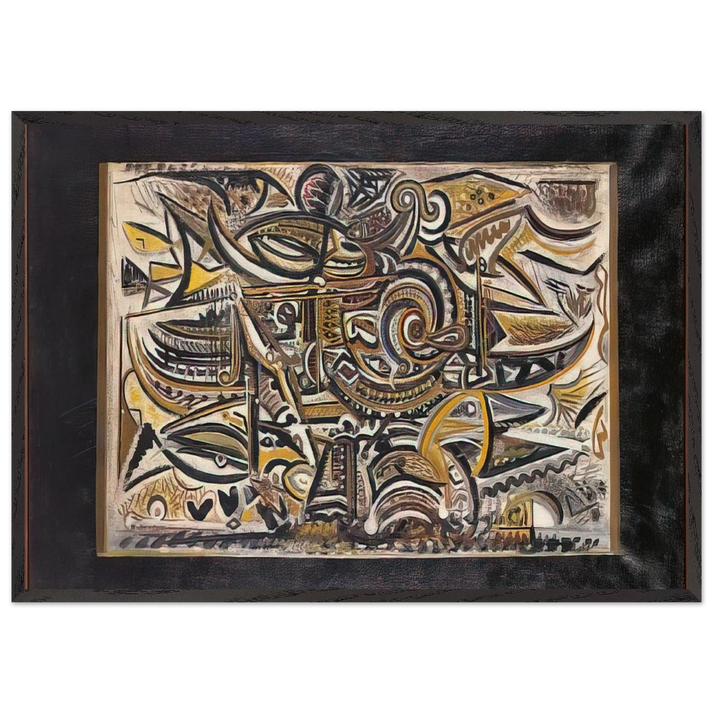
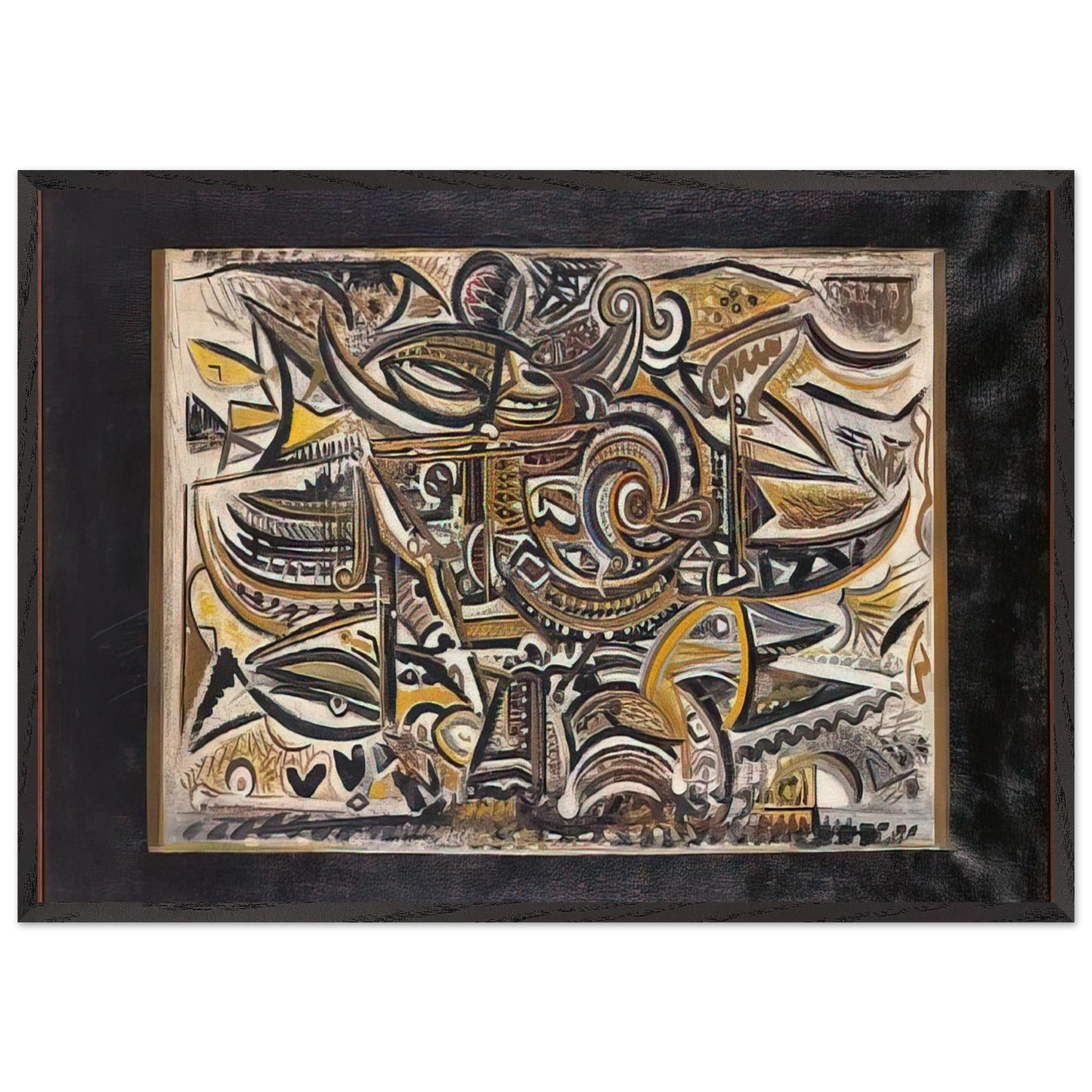
Bird in the Wind - Richard Pousette-Dart 70x100 cm / 28x40 inches Framed Art Print – Black Wooden Frame
Bird in the Wind - Richard Pousette-Dart 70x100 cm / 28x40 inches Framed Art Print – Black Wooden Frame
Couldn't load pickup availability
Embrace the Ethereal: Bird in the Wind by Richard Pousette-Dart
Experience the profound energy of mid-century American modernism with this 70x100 cm (28x40 inches) framed art print of Bird in the Wind by Richard Pousette-Dart. A founding member of the New York School, Pousette-Dart's work transcends traditional abstraction, offering a mystical exploration of light and form. This particular piece captures the fluid, rhythmic motion of a bird amidst a cosmic breeze, rendered through the artist’s signature style of intricate, layered patterns that suggest both the microscopic and the infinite.
Museum-Quality Execution
At RedKalion, we believe fine art deserves a medium that honors the original vision. This museum-quality reproduction is printed on 250 gsm (110 lb) archival, natural white paper. The matte, uncoated finish ensures a glare-free viewing experience, allowing the subtle nuances of Pousette-Dart’s composition to take center stage. Every print is acid-free and FSC-certified, guaranteeing a sustainable masterpiece that maintains its brilliance for generations.
Expertly Crafted Black Wooden Frame
Your artwork is housed in a premium black wooden frame crafted from responsibly sourced oak and ash. Measuring 20mm (0.79") in depth and width, this frame provides a bold, contemporary profile that is significantly more substantial than standard commercial alternatives. To ensure the safety of your investment, we use shatterproof, transparent plexiglass, providing the clarity of glass with superior durability. This piece arrives ready-to-hang with an included high-quality hanging kit, allowing you to elevate your interior design the moment it reaches your door.
The RedKalion Distinction
Choosing a RedKalion print means investing in a legacy of excellence. By combining advanced printing technology with traditional craftsmanship, we provide a sophisticated aesthetic that bridges the gap between historical significance and modern luxury. Transform your living or workspace with an archival piece that embodies the spiritual depth of Richard Pousette-Dart.
Discover Unlimited Art Possibilities
At RedKalion, you can find virtually any artwork from any artist, available in a wide range of sizes to perfectly match your space.
If you didn’t find what you’re looking for, contact us at support@redkalion.com . We will source any artwork and produce it in any size and format you need, including art prints, posters, canvas, framed pieces, framed canvas, and more.
For dedicated art enthusiasts, we also offer handcrafted replicas of any artwork, carefully painted by highly skilled artists using traditional techniques.
For custom requests, contact us at support@redkalion.com .
What materials are used for this museum-quality print?
We use 250 gsm (110 lb) archival-grade, natural white paper with a matte finish. This FSC-certified paper is acid-free and 0.29 mm thick, ensuring the print remains vibrant and resists yellowing over time.
What are the specifications of the black wooden frame?
The frame is made from responsibly sourced oak or ash wood, finished in black. It measures 20mm (0.79") in both thickness and width, providing a premium, sturdy look that protects the artwork.
Is the artwork ready to hang upon arrival?
Yes, your Richard Pousette-Dart print arrives fully assembled in the frame. A professional hanging kit is included in the package, allowing for immediate and secure installation on your wall.
How is the print protected during shipping and display?
The artwork is protected by shatterproof plexiglass, which offers excellent clarity and safety. We ship in robust, protective packaging to ensure your framed art print arrives in pristine condition.
Is this an eco-friendly product?
Absolutely. We use FSC-certified materials or equivalent certifications depending on regional availability. Our commitment to sustainability ensures that your fine art purchase supports responsible forest management.
What is the significance of Richard Pousette-Dart's 'Bird in the Wind'?
This piece reflects Pousette-Dart's interest in the spiritual and transcendental. It uses rhythmic, abstract forms to represent movement and the interconnectedness of nature and the cosmos, a hallmark of his unique Abstract Expressionist style.
How does Pousette-Dart's technique differ from other New York School artists?
Unlike the 'action painting' of Pollock, Pousette-Dart focused on 'pointillist' layers and dense textures. His work often explores 'the circle' and light as central motifs, seeking a meditative, rather than purely physical, expression.