RedKalion
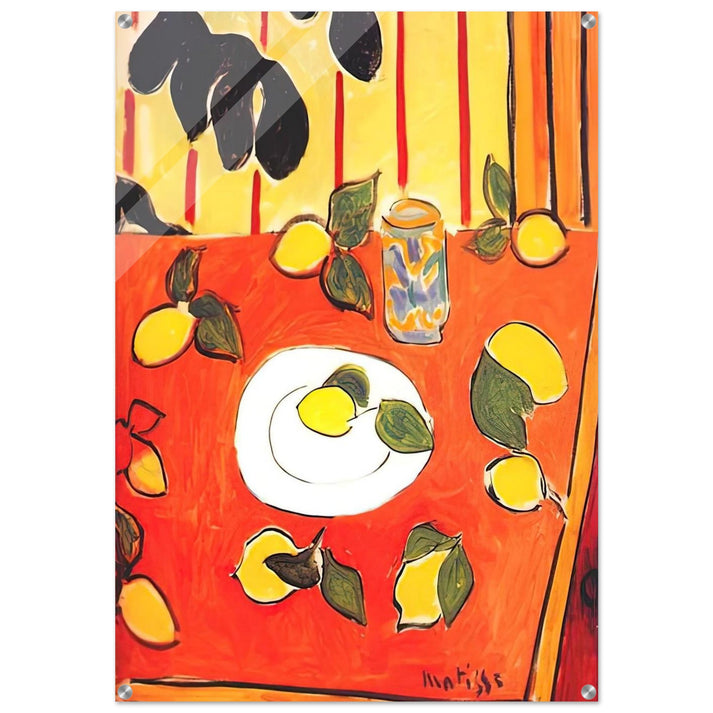
BLACK PHILODENDRON AND LEMONS 1943 - Henri Matisse Acrylic Print - 70x100 cm / 28x40″ inches
BLACK PHILODENDRON AND LEMONS 1943 - Henri Matisse Acrylic Print - 70x100 cm / 28x40″ inches
Couldn't load pickup availability
Elevate Your Space with Matisse's Botanical Masterpiece
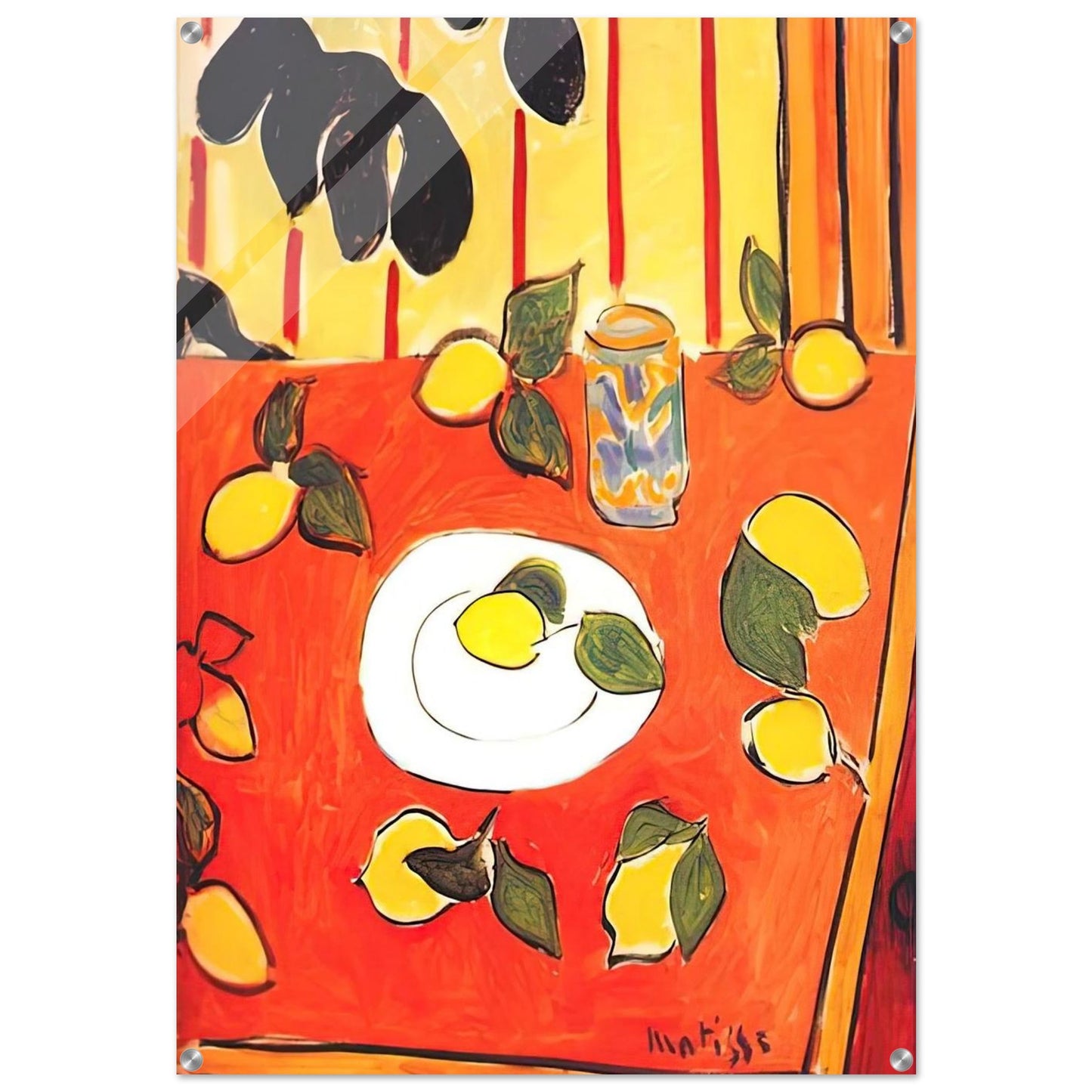
Experience the striking visual harmony of Henri Matisse's 'Black Philodendron and Lemons' (1943), presented as a museum-quality fine art acrylic print. Captured during Matisse's prolific period in Vence, France, this work represents a pivotal moment where the artist simplified form and color to achieve maximum emotional resonance. The deep, velvety blacks of the philodendron leaves provide a dramatic backdrop for the luminous, citrus yellows, creating a composition that is both grounded and exceptionally vibrant.
The RedKalion Archival Standard
At RedKalion, we specialize in archival-grade reproductions that honor the integrity of the original masterpiece. This 70x100 cm (28x40″) reproduction is crafted using 4mm (0.15") premium acrylic, which enhances the depth of color and provides a sophisticated, glass-like finish without the fragility. Our advanced printing technology ensures that every brushstroke and subtle tonal shift from Matisse's 1943 palette is preserved for generations.
Sleek Design and Sophisticated Hardware
This modern masterpiece features straight-cut corners for a clean, contemporary aesthetic. To ensure a seamless installation, each print comes equipped with a professional hanging kit. The hardware includes high-quality screws and pre-drilled holes at each corner (located 14mm from the edge), allowing the artwork to float elegantly off your wall. The 8mm diameter holes and 15mm screw heads provide a secure, industrial-chic mounting solution that complements the bold graphic nature of Matisse's work.
- Material: 4mm high-clarity acrylic for vibrant color depth.
- Durability: Shatter-resistant and UV-protected for long-term preservation.
- Finish: Straight-cut edges with a transparent-to-white background transition for optimal clarity.
- Installation: Includes complete mounting hardware with polished screw heads.
Discover Unlimited Art Possibilities
At RedKalion, you can find virtually any artwork from any artist, available in a wide range of sizes to perfectly match your space.
If you didn’t find what you’re looking for, contact us at support@redkalion.com . We will source any artwork and produce it in any size and format you need, including art prints, posters, canvas, framed pieces, framed canvas, and more.
For dedicated art enthusiasts, we also offer handcrafted replicas of any artwork, carefully painted by highly skilled artists using traditional techniques.
For custom requests, contact us at support@redkalion.com .
What defines the quality of this Henri Matisse acrylic print?
RedKalion uses 4mm premium acrylic, providing superior light refraction and color depth. This museum-quality reproduction captures the vivid contrast of the 1943 original, ensuring a durable, vibrant finish that resists fading and enhances modern interior aesthetics.
How is the acrylic print mounted to the wall?
The print includes a specialized hanging kit with screws and pre-drilled holes at each corner. Holes are 14mm from the edge with an 8mm diameter, featuring 15mm screw heads for a secure, floating presentation on any wall surface.
What are the archival properties of this artwork?
Our acrylic prints are engineered for longevity. The 4mm acrylic acts as a natural UV filter, protecting the pigments from light damage. This archival construction ensures the lemons' yellow and the philodendron's black remain crisp for decades.
Is international shipping available for this 70x100 cm piece?
Yes, RedKalion provides secure, insured international shipping for all large-format prints. Each 70x100 cm acrylic piece is meticulously crated to prevent scratches or impact damage during transit, ensuring it arrives in gallery-ready condition.
How does the acrylic finish compare to traditional glass framing?
Acrylic is significantly lighter and more shatter-resistant than traditional glass. It offers higher transparency and less glare, allowing the bold colors of Matisse's 1943 composition to pop with a modern, frameless look that glass cannot achieve.
What was Matisse's inspiration for "Black Philodendron and Lemons" in 1943?
While recovering in Vence during WWII, Matisse focused on domestic still lifes. This piece reflects his obsession with the relationship between decorative patterns and negative space, using the philodendron's organic shape to explore rhythmic, balanced compositions.
Why did Matisse use black as a primary color in this composition?
Matisse famously stated that "black is a color." In this 1943 masterpiece, he uses black not for shadows, but as a structural element to make the surrounding yellows and greens feel more luminous and intense, a hallmark of his late-career mastery.