RedKalion
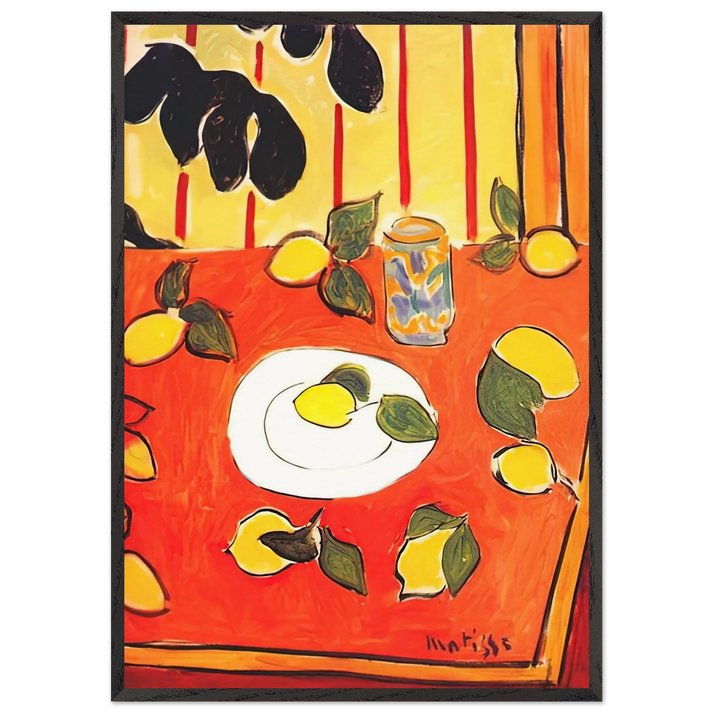
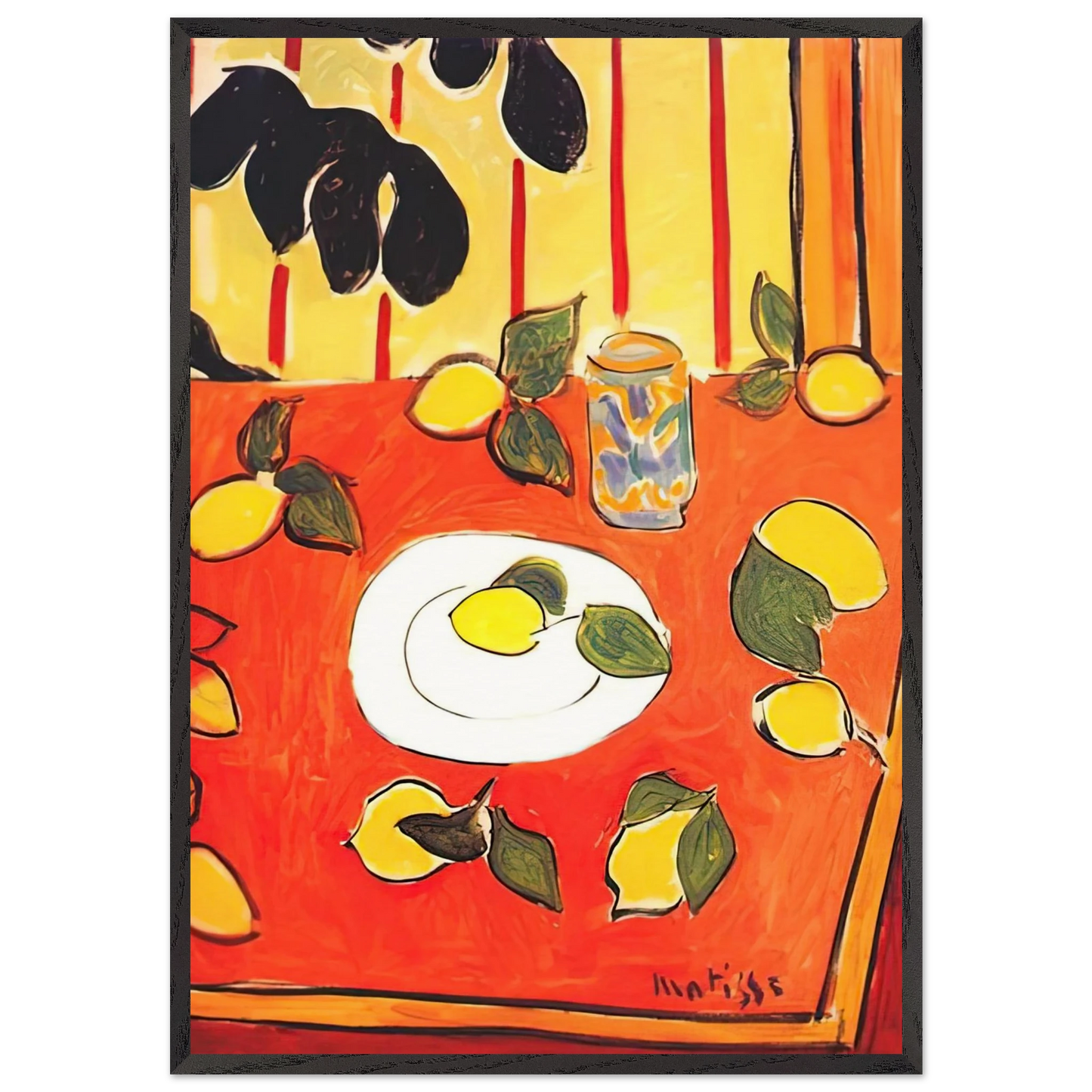
BLACK PHILODENDRON AND LEMONS 1943 - Henri Matisse 70x100 cm / 28x40 inches Framed Art Print – Black Wooden Frame
BLACK PHILODENDRON AND LEMONS 1943 - Henri Matisse 70x100 cm / 28x40 inches Framed Art Print – Black Wooden Frame
Couldn't load pickup availability
The Vitality of Matisse: Black Philodendron and Lemons (1943)
Experience the rhythmic elegance of Henri Matisse’s mid-century mastery with this Black Philodendron and Lemons (1943) museum-quality reproduction. Created during a period of intense artistic refinement in Vence, France, this work captures Matisse’s unique ability to distill organic forms into a harmonious dialogue of shape and color. This fine art print serves as a sophisticated focal point for the modern interior, reflecting the artist’s lifelong pursuit of 'luxe, calme et volupté.'
A Masterpiece of Archival Excellence
At RedKalion, we bridge the gap between historical significance and contemporary craftsmanship. This 28x40 inch reproduction is meticulously rendered on 250 gsm (110 lb) natural white, matte, archival paper. The uncoated finish ensures a non-reflective surface, allowing the deep blacks and vibrant citrus hues to resonate with the same depth Matisse intended in 1943. Unlike standard posters, our museum-grade paper is designed to resist aging, preserving the integrity of the artwork for generations.
Premium Framing and Sustainable Craftsmanship
This statement piece arrives in a custom-crafted black wooden frame made from responsibly sourced oak and ash. Measuring 20mm (0.79") in thickness and width, the profile offers a more substantial and premium presence than common commercial frames. To ensure your investment remains pristine, each print is protected by shatterproof plexiglass and includes a pre-installed hanging kit, making it ready to elevate your space the moment it arrives. RedKalion remains committed to the environment, utilizing FSC-certified materials to ensure your acquisition is as ethical as it is beautiful.
- Artist: Henri Matisse (1869–1954)
- Paper: 250 gsm archival, museum-quality, matte finish
- Frame: 20mm solid black oak/ash wood
- Protection: Shatterproof plexiglass for lasting clarity
- Sustainability: FSC-certified paper and responsibly sourced wood
Discover Unlimited Art Possibilities
At RedKalion, you can find virtually any artwork from any artist, available in a wide range of sizes to perfectly match your space.
If you didn’t find what you’re looking for, contact us at support@redkalion.com . We will source any artwork and produce it in any size and format you need, including art prints, posters, canvas, framed pieces, framed canvas, and more.
For dedicated art enthusiasts, we also offer handcrafted replicas of any artwork, carefully painted by highly skilled artists using traditional techniques.
For custom requests, contact us at support@redkalion.com .
What kind of paper is used for this Matisse fine art print?
We use 250 gsm (110 lb) natural white, archival museum-quality paper. It is uncoated and matte, providing a premium feel and ensuring the artwork remains free from glare under various lighting conditions.
How is the frame constructed for this 70x100 cm print?
The print is housed in a 20mm thick black frame made from solid, responsibly sourced oak and ash. This profile is wider than standard frames, offering a high-end, gallery-worthy aesthetic.
Is the artwork ready to hang upon arrival?
Yes, your RedKalion print includes a professional hanging kit. The artwork is pre-assembled in the frame with shatterproof plexiglass, allowing you to display it immediately upon delivery.
How do you ensure the longevity of the reproduction?
By utilizing archival-grade 250 gsm paper and shatterproof protection, we ensure our reproductions resist yellowing and environmental degradation, maintaining their museum-quality appearance for decades.
Are the materials used for this print environmentally friendly?
Absolutely. We use FSC-certified paper or equivalent sustainable materials, ensuring that both the fine art paper and the wooden frame meet high environmental and social standards.
What is the significance of the year 1943 in Matisse’s career?
In 1943, Matisse moved to Vence to escape the war. This period marks a transition toward bolder, more simplified forms and vibrant still lifes that eventually led to his famous cut-outs.
What do the black philodendron and lemons symbolize in this piece?
The philodendron represents organic vitality and indoor growth, while the lemons evoke the Mediterranean light of the French Riviera, a recurring theme in Matisse's search for visual harmony.