


RedKalion
Blancs - 1973 - Simon Hantai Brushed Aluminum Print - 70x100 cm / 28x40 inches | Simon Hantai Aluminum Print | Simon Hantai Prints
Blancs - 1973 - Simon Hantai Brushed Aluminum Print - 70x100 cm / 28x40 inches | Simon Hantai Aluminum Print | Simon Hantai Prints
Couldn't load pickup availability
Elevate Your Space with Simon Hantaï’s 'Blancs' (1973)
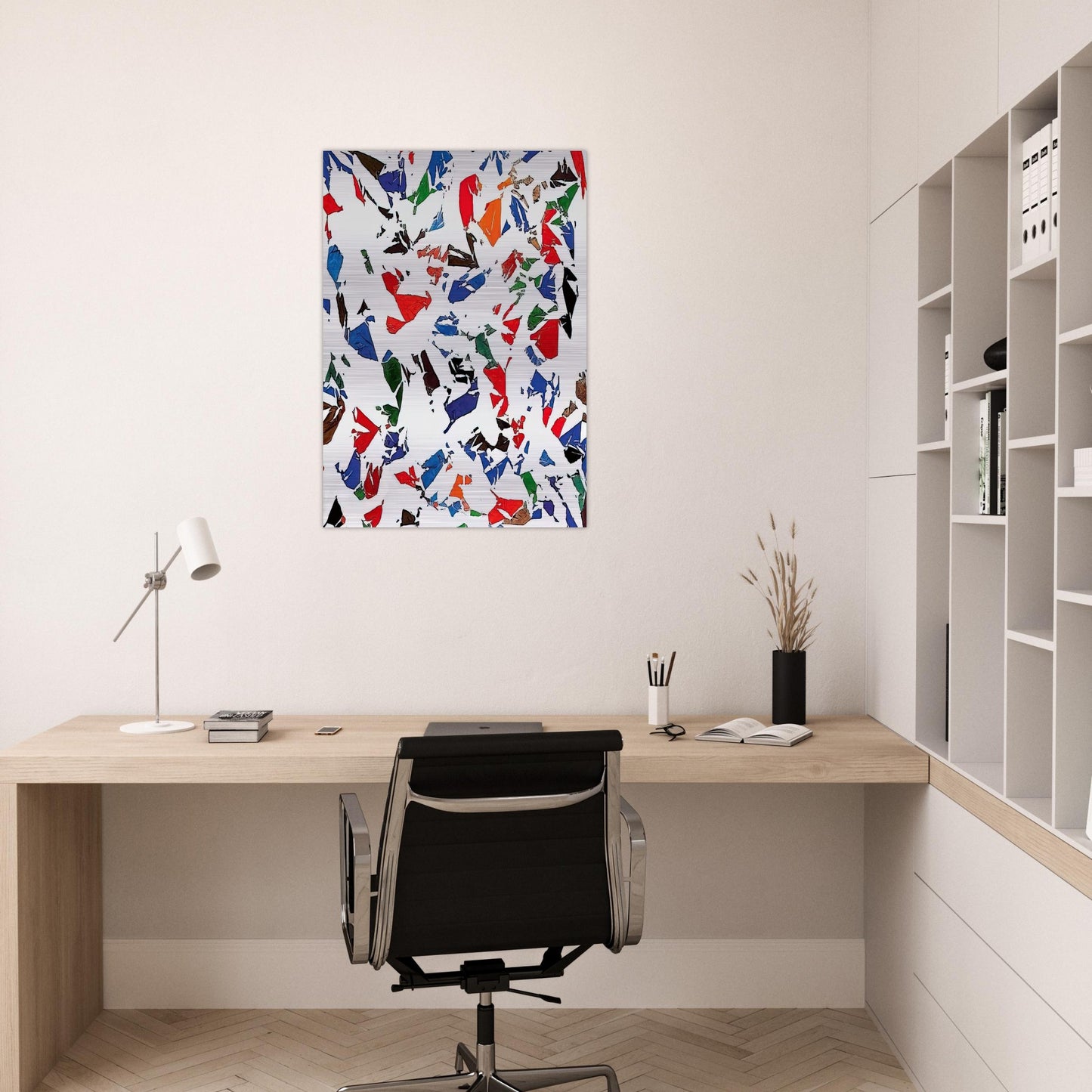
Experience the radical elegance of Simon Hantaï with this museum-quality reproduction of Blancs (1973). As a central figure in French abstraction, Hantaï revolutionized the canvas with his signature pliage (folding) technique. In the 'Blancs' series, the artist explores the profound relationship between pigment and the 'reserve'—the unpainted white space that emerges from the folds. This piece is not merely an image; it is a rhythmic study of absence and presence, now reimagined for the contemporary interior on an industrial-grade medium.
The RedKalion Archival Difference
At RedKalion, we curate world-class reproductions that honor the integrity of the original masterpiece. This 70x100 cm (28x40 inches) Simon Hantaï aluminum print is produced using state-of-the-art direct printing technology on Brushed Silver Aluminum DIBOND®. This specific material was chosen to complement Hantaï's minimalist aesthetic; the horizontal grain of the 3mm (0.12") plate provides a dynamic, metallic depth that traditional paper cannot replicate.
Technical Specifications & Aesthetic Finish
- Material: Premium 3mm Aluminum DIBOND® with a brushed silver finish and horizontal grain.
- Visual Effect: Unprinted white areas of the original 'Blancs' composition reveal the raw, metallic silver of the aluminum, creating a striking contrast with the matte pigment.
- Durability: Highly rigid and lightweight, ensuring the 70x100 cm format remains perfectly flat and warp-resistant over time.
- Glare-Free Viewing: The matte finish eliminates reflections, making it ideal for spaces with high natural light or professional gallery lighting.
- Ready to Hang: A professional hanging kit is included, tailored to your fulfillment region for a seamless, floating gallery appearance.
Invest in an archival masterpiece that endures. This Simon Hantaï fine art print merges 20th-century avant-garde philosophy with 21st-century material science, providing a sophisticated focal point for the discerning collector.


Discover Unlimited Art Possibilities
At RedKalion, you can find virtually any artwork from any artist, available in a wide range of sizes to perfectly match your space.
If you didn’t find what you’re looking for, contact us at support@redkalion.com . We will source any artwork and produce it in any size and format you need, including art prints, posters, canvas, framed pieces, framed canvas, and more.
For dedicated art enthusiasts, we also offer handcrafted replicas of any artwork, carefully painted by highly skilled artists using traditional techniques.
For custom requests, contact us at support@redkalion.com .
What makes the brushed aluminum finish unique for this Hantaï print?
The 3mm Aluminum DIBOND® features a horizontal grain that creates a dynamic, metallic silver effect in the unprinted areas. This enhances Hantaï’s 'reserve' spaces with a sophisticated, modern shimmer.
Is the surface of the 'Blancs' print reflective?
No, the direct-to-plate printing process ensures a refined matte finish. It is glare-free, allowing the intricate textures of the 1973 masterpiece to be viewed clearly from any angle without light interference.
How do I install my Simon Hantaï aluminum print?
Each RedKalion print arrives with a pre-selected hanging kit suitable for your region. The lightweight yet rigid 0.12" DIBOND® structure ensures an easy, secure, and professional gallery-style installation.
What is the archival life of an aluminum DIBOND® print?
These museum-quality reproductions are designed for extreme durability. The UV-resistant inks and rigid aluminum base prevent warping and fading, ensuring your Simon Hantaï print remains a centerpiece for decades.
How is the artwork protected during transit?
RedKalion uses premium, shock-resistant packaging tailored for large-format prints (70x100 cm). We guarantee safe global delivery, ensuring your archival-grade reproduction arrives in pristine condition.
What was Simon Hantaï’s 'pliage' technique used in 'Blancs'?
Hantaï folded the canvas before applying paint. Upon unfolding, the 'reserve' (unpainted white space) becomes an active compositional element, creating a rhythmic dialogue between the pigment and the void.
Why is the 1973 'Blancs' series significant in art history?
The 'Blancs' series represents a pinnacle of Hantaï’s career, where the white space is no longer just a background but an essential, structured force that challenges traditional concepts of figure and ground.