RedKalion
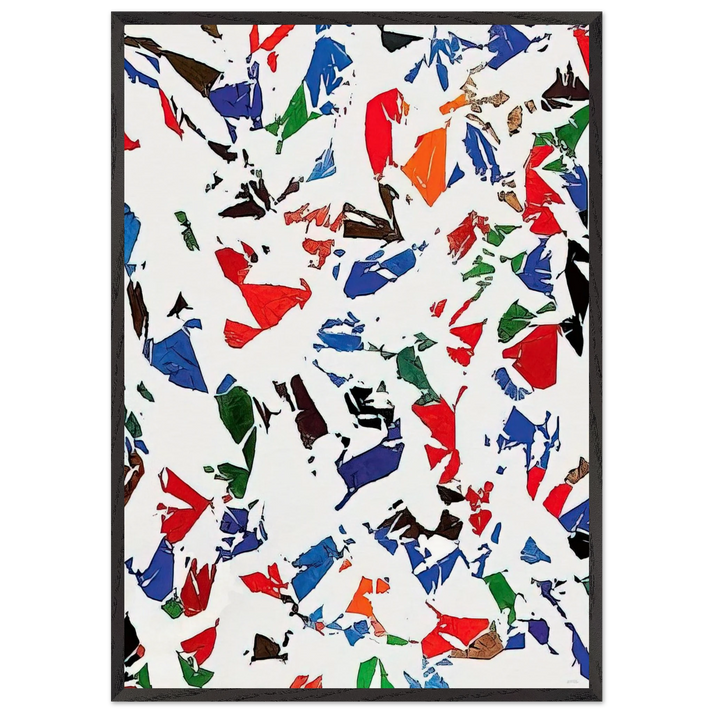
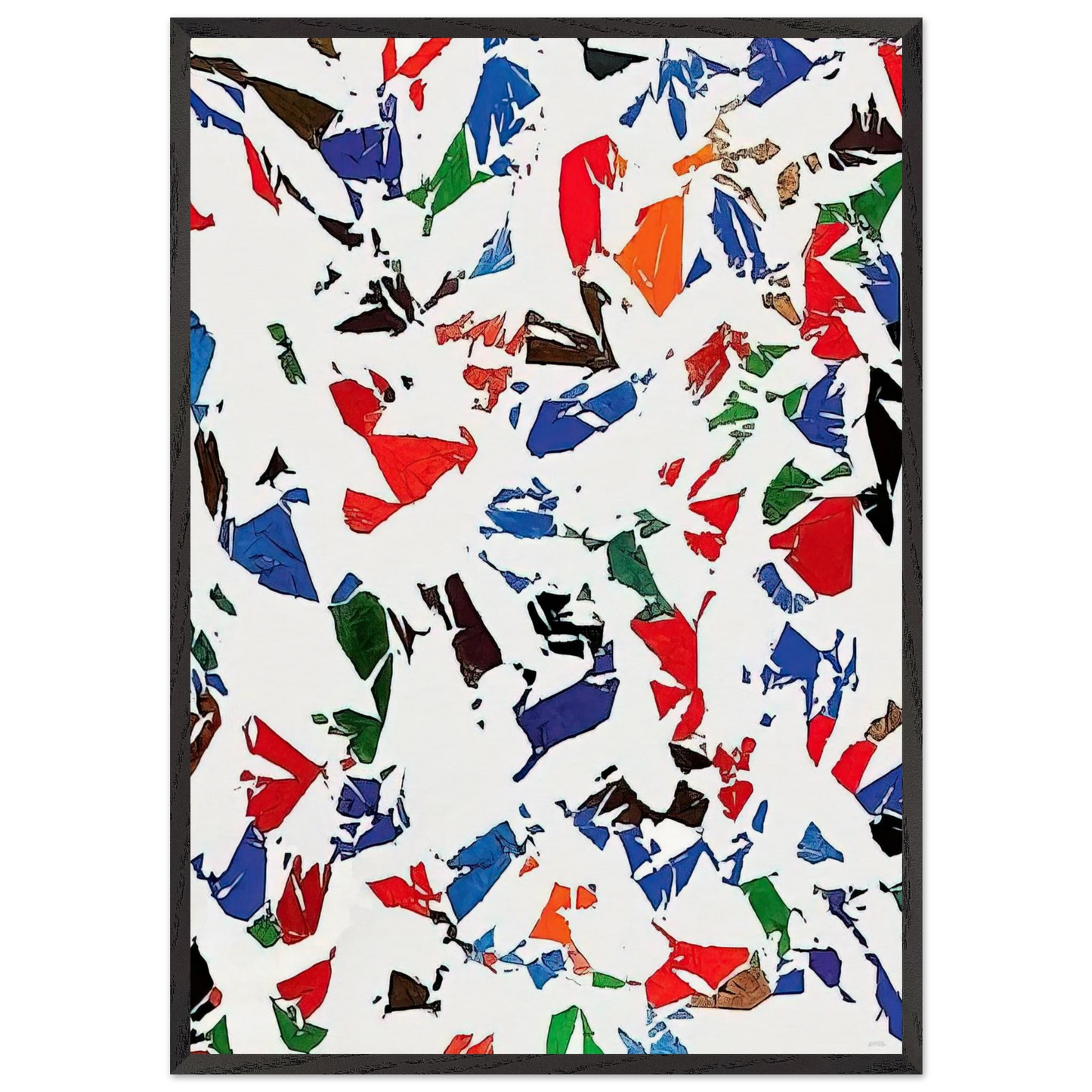
Blancs - 1973 - Simon Hantai 70x100 cm / 28x40 inches Framed Art Print – Black Wooden Frame
Blancs - 1973 - Simon Hantai 70x100 cm / 28x40 inches Framed Art Print – Black Wooden Frame
Couldn't load pickup availability
Elevate Your Space with Simon Hantaï’s 'Blancs' (1973)
Experience the profound silence and rhythmic complexity of Simon Hantaï’s 'Blancs' (1973). A masterpiece of late 20th-century abstraction, this work is a quintessential example of Hantaï’s revolutionary pliage (folding) technique. By folding the canvas before applying pigment, Hantaï allowed the 'blancs'—the unpainted white voids—to dictate the composition, creating a visual dialogue between presence and absence that remains as modern today as it was in 1973.
This museum-quality reproduction is curated by RedKalion to meet the exacting standards of serious collectors. Presented in a 70x100 cm format, the piece is showcased in a premium black wooden frame crafted from responsibly sourced oak and ash. With a 20mm (0.79") profile, our frames provide a more substantial and architectural presence than standard gallery frames, ensuring your investment stands out with timeless authority.
- Archival Integrity: Printed on 250 gsm (110 lb) natural white, matte, archival-grade paper that preserves the nuance of Hantaï's palette.
- Museum-Grade Glazing: Protected by shatterproof plexiglass, ensuring clarity and safety for years to come.
- Expert Craftsmanship: Each frame is 20mm thick and wide, providing superior durability and a sophisticated aesthetic.
- Ready to Hang: Your archival masterpiece arrives fully assembled with a professional hanging kit included.
As a premier gallery, RedKalion is dedicated to the fusion of historical significance and physical longevity. Bring the intellectual rigor of French abstraction into your home with a fine art print that embodies sustainable luxury and scholarly curation.
Discover Unlimited Art Possibilities
At RedKalion, you can find virtually any artwork from any artist, available in a wide range of sizes to perfectly match your space.
If you didn’t find what you’re looking for, contact us at support@redkalion.com . We will source any artwork and produce it in any size and format you need, including art prints, posters, canvas, framed pieces, framed canvas, and more.
For dedicated art enthusiasts, we also offer handcrafted replicas of any artwork, carefully painted by highly skilled artists using traditional techniques.
For custom requests, contact us at support@redkalion.com .
What are the frame specifications for this Simon Hantaï print?
The print is housed in a 20mm (0.79") thick black wooden frame made from responsibly sourced oak and ash. This wider profile offers superior structural integrity compared to standard 14mm frames.
What is the weight and quality of the paper used?
We use 250 gsm (110 lb) natural white, archival museum-quality paper. Its 0.29 mm thickness and matte, uncoated finish ensure a premium, non-glare aesthetic suitable for fine art.
Is the artwork protected from environmental damage?
Yes, each framed print includes shatterproof plexiglass. This provides professional-grade protection against dust and impact while maintaining crystal-clear visibility of Hantaï’s intricate details.
Will my framed art print arrive ready to hang?
Absolutely. Your Simon Hantaï reproduction arrives fully assembled with a professional hanging kit included, allowing you to display your new masterpiece immediately upon delivery.
Are the materials used by RedKalion sustainable?
Yes, we prioritize sustainability. Our frames and paper are FSC-certified or equivalent, ensuring that your art print meets the highest environmental and social standards.
Who was Simon Hantaï and why is "Blancs" significant?
Simon Hantaï was a French-Hungarian master known for 'pliage' (folding). "Blancs" (1973) explores the relationship between silence and color, marking a high point in 20th-century abstract expressionism.
What is the 'pliage' technique seen in this artwork?
Hantaï’s pliage involved folding the canvas before applying paint. Once unfolded, the 'blancs' or unpainted areas create a unique rhythmic pattern, challenging traditional notions of composition and gesture.