

RedKalion
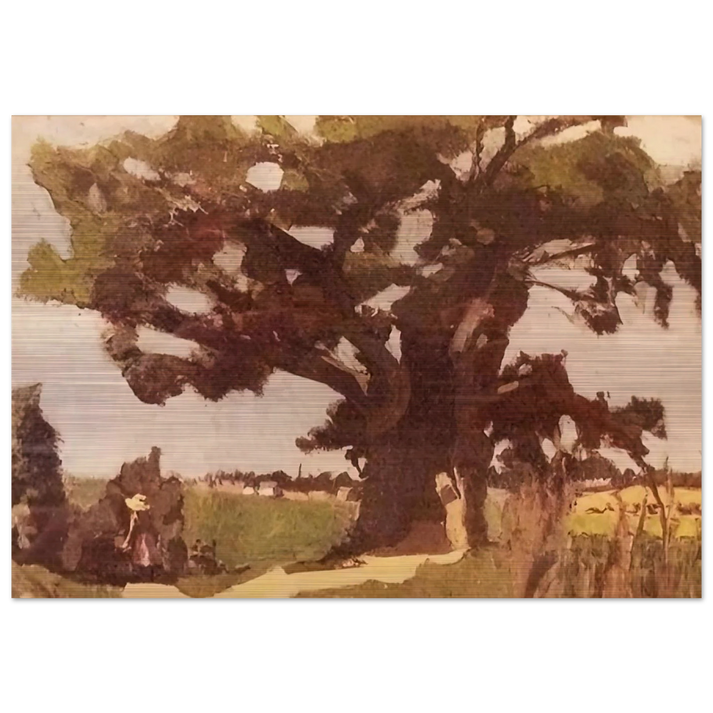
BLASTED OAK BOHAIN 1903 - Henri Matisse Brushed Aluminum Print - 70x100 cm / 28x40 inches | Henri Matisse Aluminum Print | Henri Matisse Prints
BLASTED OAK BOHAIN 1903 - Henri Matisse Brushed Aluminum Print - 70x100 cm / 28x40 inches | Henri Matisse Aluminum Print | Henri Matisse Prints
Couldn't load pickup availability
Experience the Raw Energy of Henri Matisse’s Early Masterpiece
In 1903, Henri Matisse stood at a pivotal crossroads of artistic expression. "Blasted Oak, Bohain" represents a profound moment in his career, capturing the rugged, architectural resilience of nature before his full immersion into Fauvism. This early work showcases a departure from traditional realism, focusing on the structural power of the gnarled oak. At RedKalion, we have meticulously curated this museum-quality reproduction to offer collectors an intimate glimpse into the evolution of a modern master.
Unrivaled Sophistication on Brushed Aluminum DIBOND®
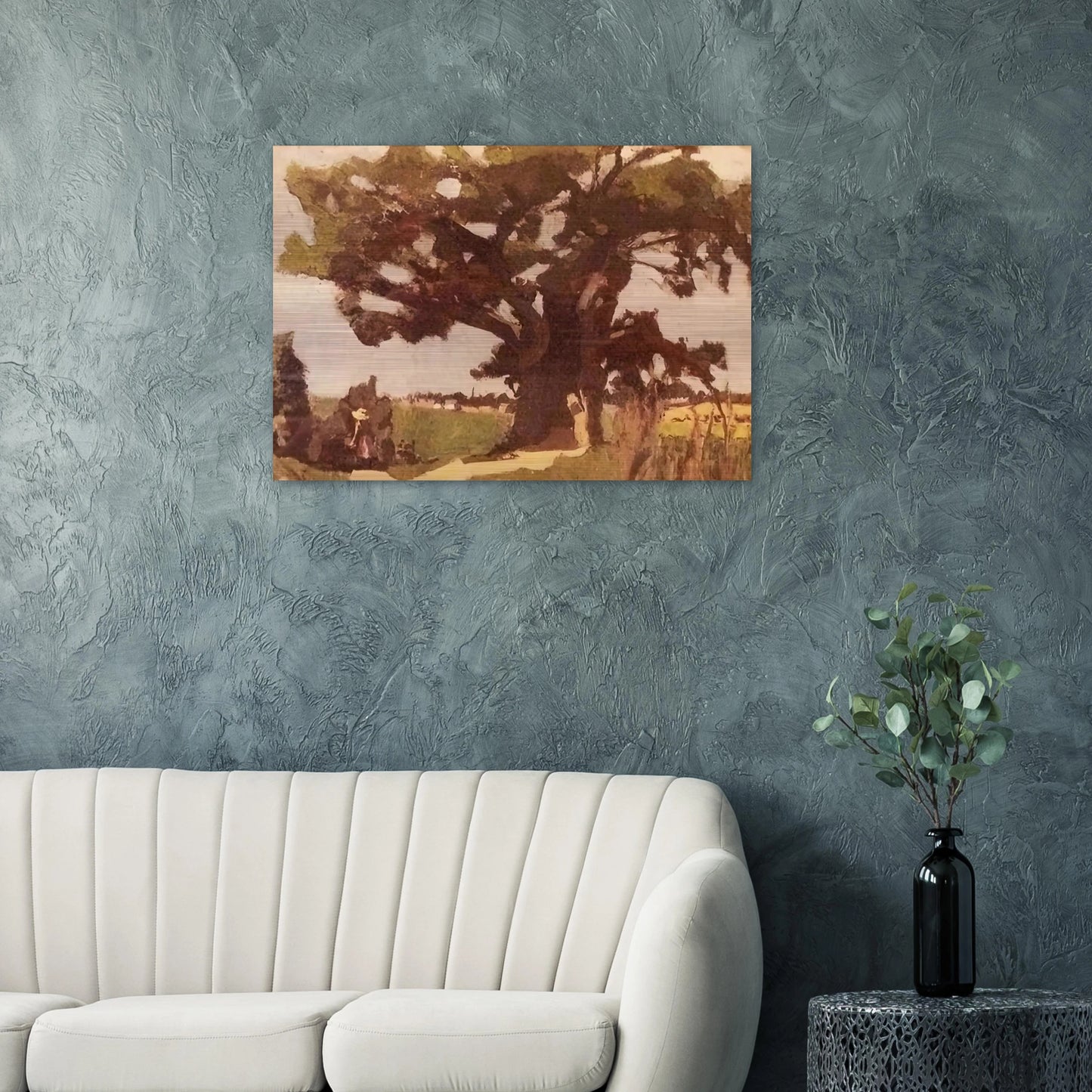
Our Henri Matisse aluminum print is more than a simple reproduction; it is a contemporary dialogue between 20th-century genius and 21st-century material science. Printed on premium 3mm (0.12") brushed silver Aluminum DIBOND®, the artwork gains a dynamic, industrial edge. The horizontal grain of the metallic surface interacts with ambient light, bringing the textural nuances of the "Blasted Oak" to life with a unique depth and luminosity.
- Striking Metallic Texture: The brushed silver finish creates a mesmerizing effect, where the white areas of the original painting reveal the raw, shimmering grain of the aluminum.
- Matte, Glare-Free Finish: This sophisticated finish ensures that the subtle gradients and bold lines of Matisse's work are visible from any angle, even in brightly lit rooms.
- Archival Durability: The rigid 3mm base is moisture-resistant and exceptionally durable, making it an ideal choice for a fine art print that endures.
Elevate your space with an archival masterpiece. This 70x100 cm (28x40 inches) print arrives as a ready-to-hang statement piece, balancing the historical gravitas of Matisse with the sleek, minimalist aesthetic of premium metal art.


Discover Unlimited Art Possibilities
At RedKalion, you can find virtually any artwork from any artist, available in a wide range of sizes to perfectly match your space.
If you didn’t find what you’re looking for, contact us at support@redkalion.com . We will source any artwork and produce it in any size and format you need, including art prints, posters, canvas, framed pieces, framed canvas, and more.
For dedicated art enthusiasts, we also offer handcrafted replicas of any artwork, carefully painted by highly skilled artists using traditional techniques.
For custom requests, contact us at support@redkalion.com .
What makes the "Blasted Oak, Bohain 1903" print unique at RedKalion?
RedKalion utilizes archival-grade Aluminum DIBOND® and precision printing techniques to ensure the "Blasted Oak" retains its historical depth while gaining a modern, metallic luminosity.
How does the brushed aluminum finish affect the appearance of the artwork?
The brushed silver finish adds a horizontal grain that interacts with light. Unprinted areas reveal the metallic surface, providing a shimmering, dynamic effect that traditional paper cannot replicate.
What are the technical specifications of the aluminum dibond material?
The print is 3mm (0.12") thick, featuring a brushed silver Aluminum DIBOND® base. It is lightweight yet rigid, offering a matte, glare-free finish suitable for any lighting condition.
Is a hanging kit included with my Matisse aluminum print?
Yes, every Henri Matisse aluminum print from RedKalion includes a professional hanging kit tailored to your specific fulfillment country for effortless installation.
How do you ensure the archival longevity of this museum-quality reproduction?
We use direct-to-panel UV printing on moisture-resistant Aluminum DIBOND®. This process ensures vibrant colors and structural integrity for decades without the risk of warping or fading.
What was Matisse’s artistic phase during the creation of "Blasted Oak, Bohain" in 1903?
In 1903, Matisse was moving away from Post-Impressionism, experimenting with more structured, expressive forms that paved the way for the Fauvist revolution of 1905.
Why is the "Blasted Oak" significant in Matisse's early portfolio?
This piece highlights Matisse’s early mastery of form and light in his hometown region, showcasing the raw, emotional energy he found within the natural landscape.