
RedKalion
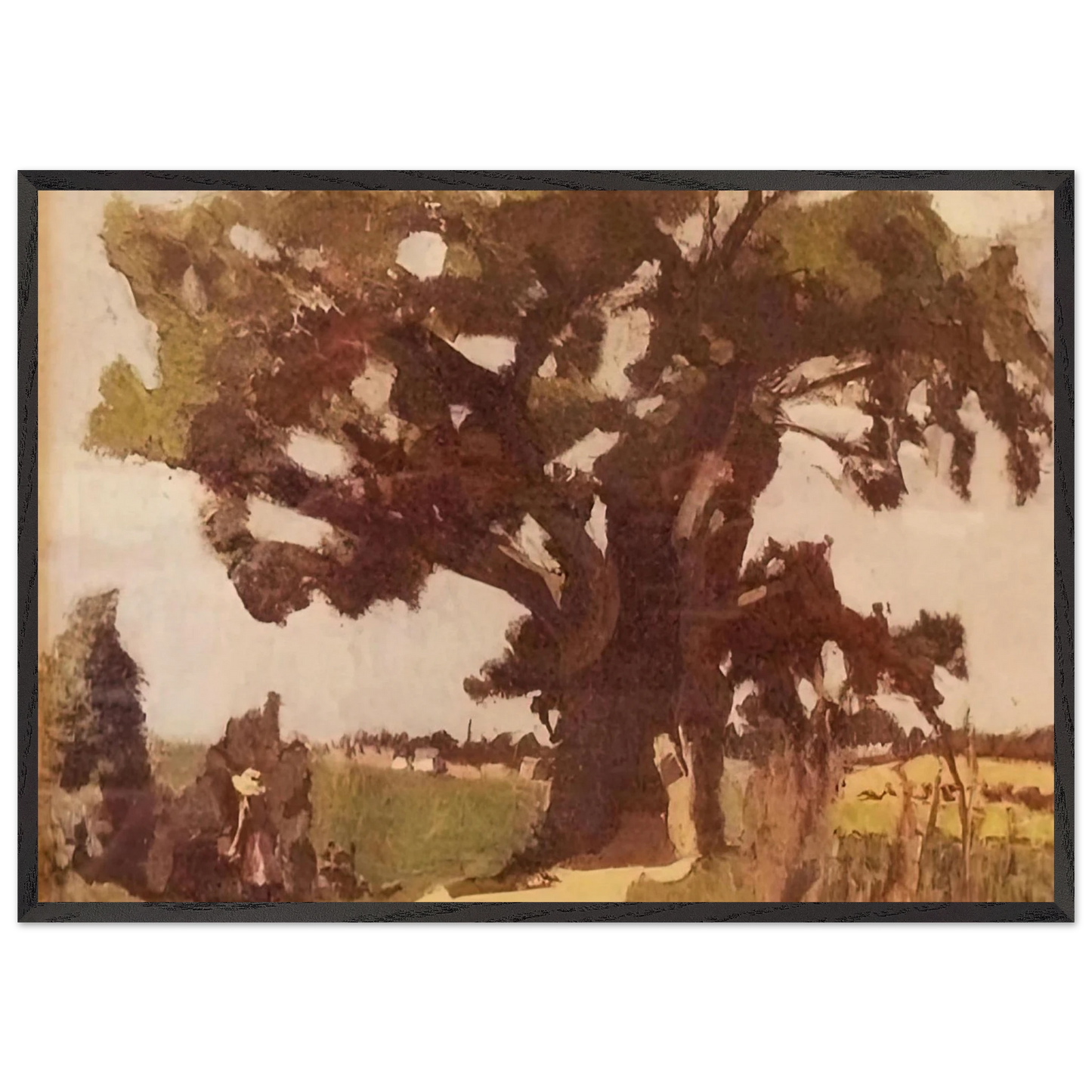
BLASTED OAK BOHAIN 1903 - Henri Matisse 70x100 cm / 28x40 inches Framed Art Print – Black Wooden Frame
BLASTED OAK BOHAIN 1903 - Henri Matisse 70x100 cm / 28x40 inches Framed Art Print – Black Wooden Frame
Couldn't load pickup availability
The Raw Energy of Nature: Henri Matisse's Blasted Oak, Bohain (1903)
In 1903, before the vibrant colors of Fauvism defined his career, Henri Matisse returned to his childhood home in Bohain-en-Vermandois. This period marked a profound exploration of structure and mood, resulting in works like Blasted Oak, Bohain. This 70x100 cm framed art print captures the gnarled resilience of the natural world, showcasing Matisse’s early mastery of form and the subtle, expressive use of darker tones that preceded his later masterpieces.
Museum-Quality Execution for the Discerning Collector
At RedKalion, we believe a fine art print should honor the original artist’s vision. This reproduction is meticulously printed on archival museum-quality paper with a weight of 250 gsm (110 lb). The natural white, matte, and uncoated finish ensures that every brushstroke and texture from Matisse’s 1903 canvas is visible without the distraction of glare. Each piece is an investment in longevity, using FSC-certified materials to ensure environmental responsibility alongside artistic excellence.
Premium Framing and Protection
Your Henri Matisse reproduction arrives housed in a professional black wooden frame, crafted from responsibly sourced oak and ash. With a robust profile of 20mm (0.79") in thickness and width, this frame provides a substantial, gallery-grade presence that surpasses standard 14mm alternatives. To ensure your artwork remains pristine, it is protected by shatterproof plexiglass and includes a pre-installed hanging kit. This 28x40 inch masterpiece is ready to hang, instantly elevating your living space or office with a touch of art history.
Discover Unlimited Art Possibilities
At RedKalion, you can find virtually any artwork from any artist, available in a wide range of sizes to perfectly match your space.
If you didn’t find what you’re looking for, contact us at support@redkalion.com . We will source any artwork and produce it in any size and format you need, including art prints, posters, canvas, framed pieces, framed canvas, and more.
For dedicated art enthusiasts, we also offer handcrafted replicas of any artwork, carefully painted by highly skilled artists using traditional techniques.
For custom requests, contact us at support@redkalion.com .
What are the specific paper qualities of this Matisse print?
We use 250 gsm (110 lb) natural white archival paper. It is museum-quality, uncoated, and matte to ensure long-term durability and no-glare viewing for your Henri Matisse fine art reproduction.
Is the frame made of real wood?
Yes, the 20mm thick frame is crafted from responsibly sourced oak and ash wood, providing a premium, durable structure that is more substantial than typical thin frames.
Is the artwork ready to hang upon arrival?
Absolutely. Your framed art print includes a high-quality hanging kit, allowing you to display this 70x100 cm masterpiece directly on your wall without extra assembly.
How is the print protected from damage?
Each print is shielded by shatterproof plexiglass, offering superior clarity and protection against accidental damage while ensuring your archival paper remains in perfect condition.
Are the materials used for this print sustainable?
Yes, we prioritize the environment. The paper and wood used are FSC-certified or equivalent, ensuring your art collection supports responsible forestry practices.
What is the significance of the year 1903 in Matisse’s work?
1903 was a transitional year for Matisse. Before his Fauvist period, he focused on darker palettes and structural integrity, often painting near his childhood home in Bohain-en-Vermandois.
Why is the Blasted Oak considered a pivotal piece?
The Blasted Oak represents Matisse's early interest in the raw, organic forms of nature. It demonstrates his bridge from Impressionism toward a more emotive and structured modernism.