RedKalion
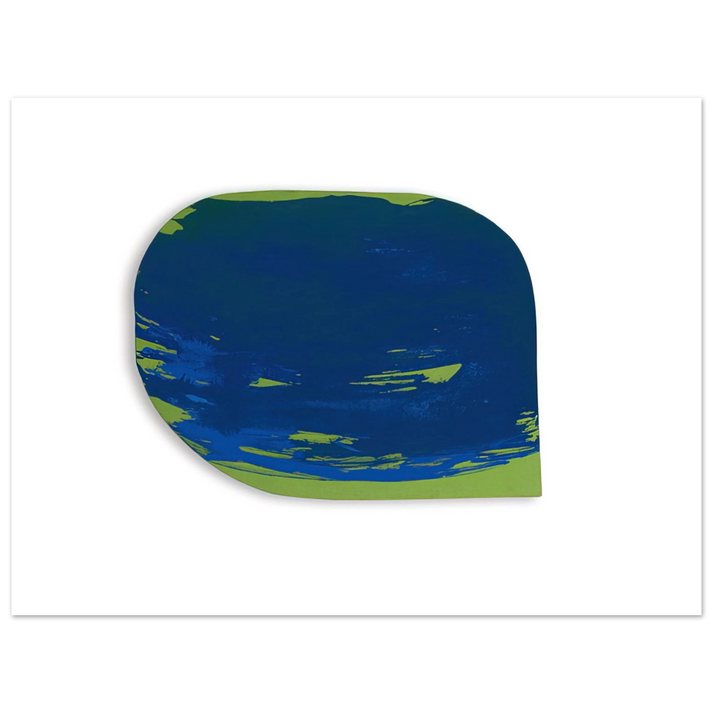
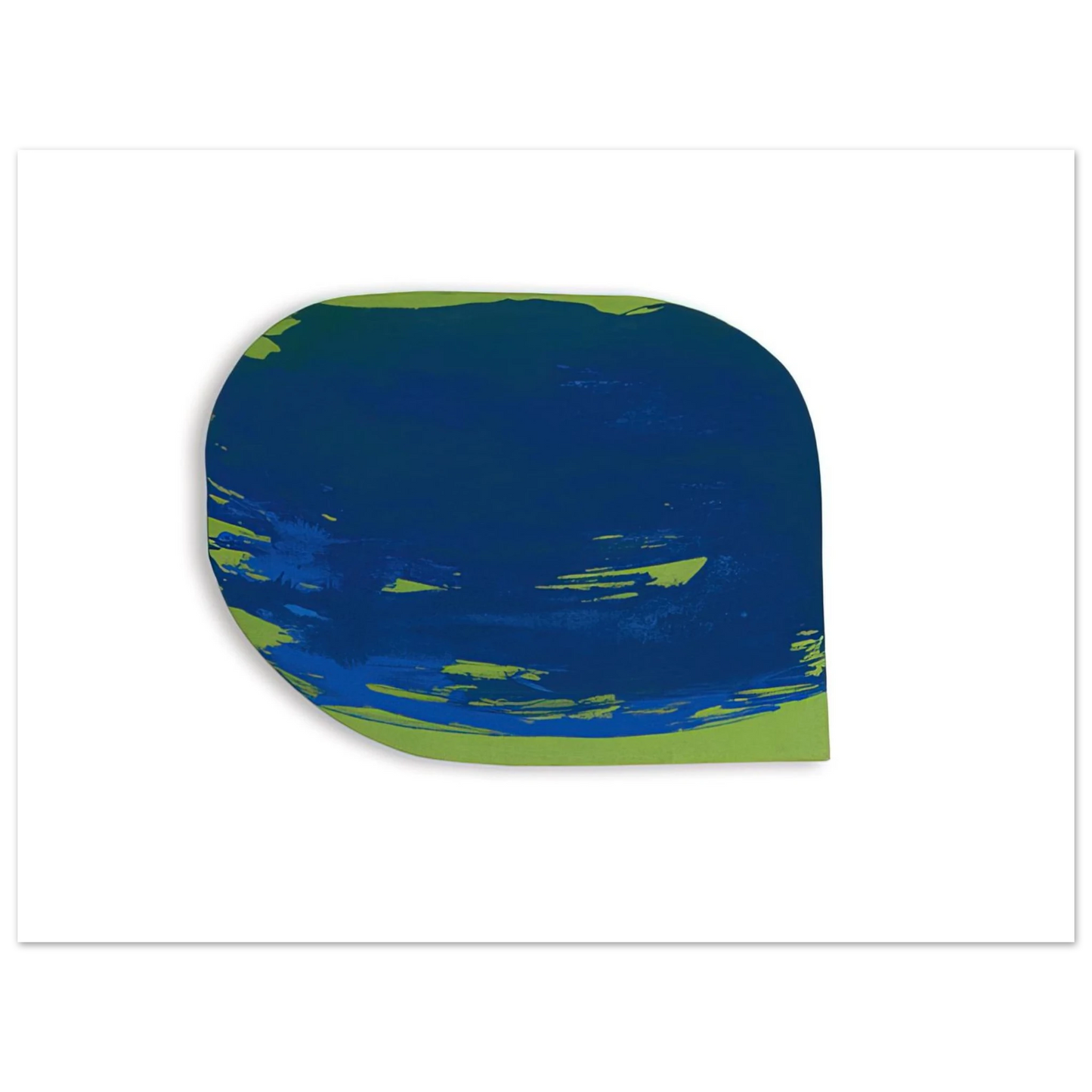
Blinky Palermo - BLAU AUF GR N 1965 75x100 cm / 30x40inches Fine Art Poster
Blinky Palermo - BLAU AUF GR N 1965 75x100 cm / 30x40inches Fine Art Poster
Couldn't load pickup availability
The Radical Geometry of Blinky Palermo: Blau auf Grün (1965)
Immerse your space in the avant-garde legacy of Blinky Palermo, one of the most influential figures in post-war German abstraction. This museum-quality fine art print of Blau auf Grün (1965) captures the artist's early exploration into the relationship between color and space. As a student of Joseph Beuys, Palermo moved beyond traditional painting to treat the canvas as an architectural object. This piece, with its deliberate interaction of cool blue and deep green, exemplifies his minimalist philosophy and his quest for visual purity.
At RedKalion, we honor the integrity of Palermo’s vision by utilizing the finest materials available. This museum-quality reproduction is meticulously crafted to preserve the subtle nuances and chromatic depth of the original work, ensuring that the spatial tension between the fields of color remains as impactful today as it was in the mid-1960s.
Unrivaled Print Specifications
To ensure this archival masterpiece endures for generations, we utilize our exclusive Master's Edition archival paper. This premium substrate offers a sophisticated, natural white (off-white) finish that provides a luxurious, tactile experience without the distraction of a high-gloss glare.
- Weight & Texture: A substantial 250 gsm (110 lb) weight with a thickness of 0.29 mm (11.4 mils) for a professional, gallery-grade feel.
- Archival Longevity: Acid-free (pH above 7) composition prevents yellowing and degradation over time.
- Uncoated Matte Finish: Optimized for viewing under various lighting conditions without unwanted reflections.
- Sustainable Excellence: Printed on FSC-certified paper, reflecting our commitment to environmental responsibility.
Elevate your collection with a work that bridges the gap between Minimalist rigor and poetic sensitivity. Each print is produced and shipped on demand with the utmost care, ensuring a pristine addition to your home or office gallery.
Discover Unlimited Art Possibilities
At RedKalion, you can find virtually any artwork from any artist, available in a wide range of sizes to perfectly match your space.
If you didn’t find what you’re looking for, contact us at support@redkalion.com . We will source any artwork and produce it in any size and format you need, including art prints, posters, canvas, framed pieces, framed canvas, and more.
For dedicated art enthusiasts, we also offer handcrafted replicas of any artwork, carefully painted by highly skilled artists using traditional techniques.
For custom requests, contact us at support@redkalion.com .
What makes this Blinky Palermo print a museum-quality reproduction?
Our prints use Master's Edition 250 gsm archival paper and advanced inkjet techniques to replicate the original color depth and texture, meeting the standards of high-end galleries and collectors.
What are the physical properties of the paper used for Blau auf Grün?
We use 250 gsm (110 lb) natural white, acid-free paper with a thickness of 0.29 mm. Its matte, uncoated finish ensures a luxurious, non-reflective surface perfect for fine art.
How is the print shipped and fulfilled?
RedKalion prints and ships each order on demand with no minimums. Your fine art poster is carefully packaged in protective materials to ensure it arrives in pristine condition.
Will this fine art print yellow or fade over time?
No. By using acid-free paper with a pH level above 7, we ensure the print remains vibrant and the paper stays bright white, preventing the yellowing common in standard posters.
Is the paper used for this Palermo print environmentally friendly?
Yes, we exclusively use FSC-certified paper or equivalent certifications, ensuring that your art acquisition supports responsible forest management and sustainable practices.
Why is the year 1965 significant for this artwork?
1965 marks a pivotal early period for Blinky Palermo as he moved toward his signature Minimalist style, focusing on the essential interaction between color, form, and the architectural environment.
What artistic movement does Blau auf Grün represent?
This work is a cornerstone of German Post-Painterly Abstraction and Minimalism, emphasizing color field relationships and the physical presence of the artwork rather than narrative representation.