RedKalion
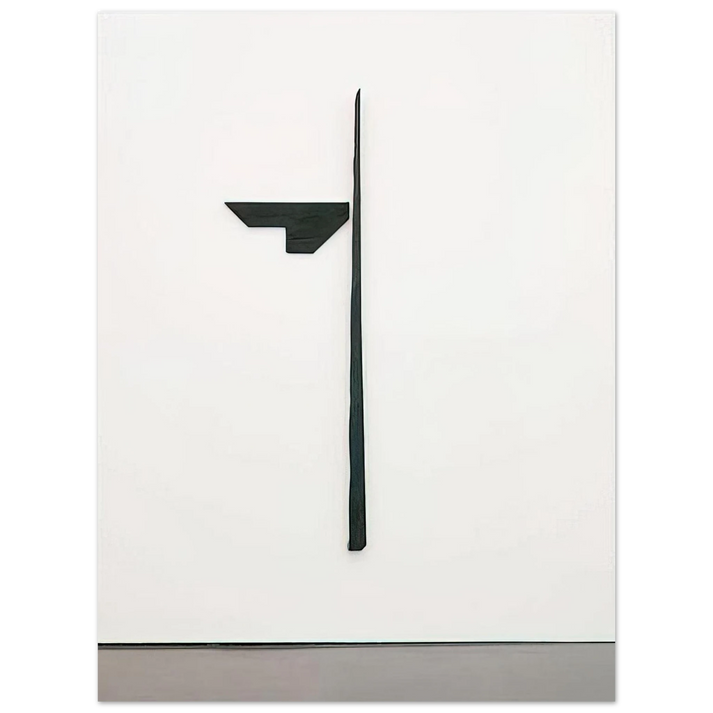
Blinky Palermo - Butterfly II - 1969 75x100 cm / 30x40inches Fine Art Poster
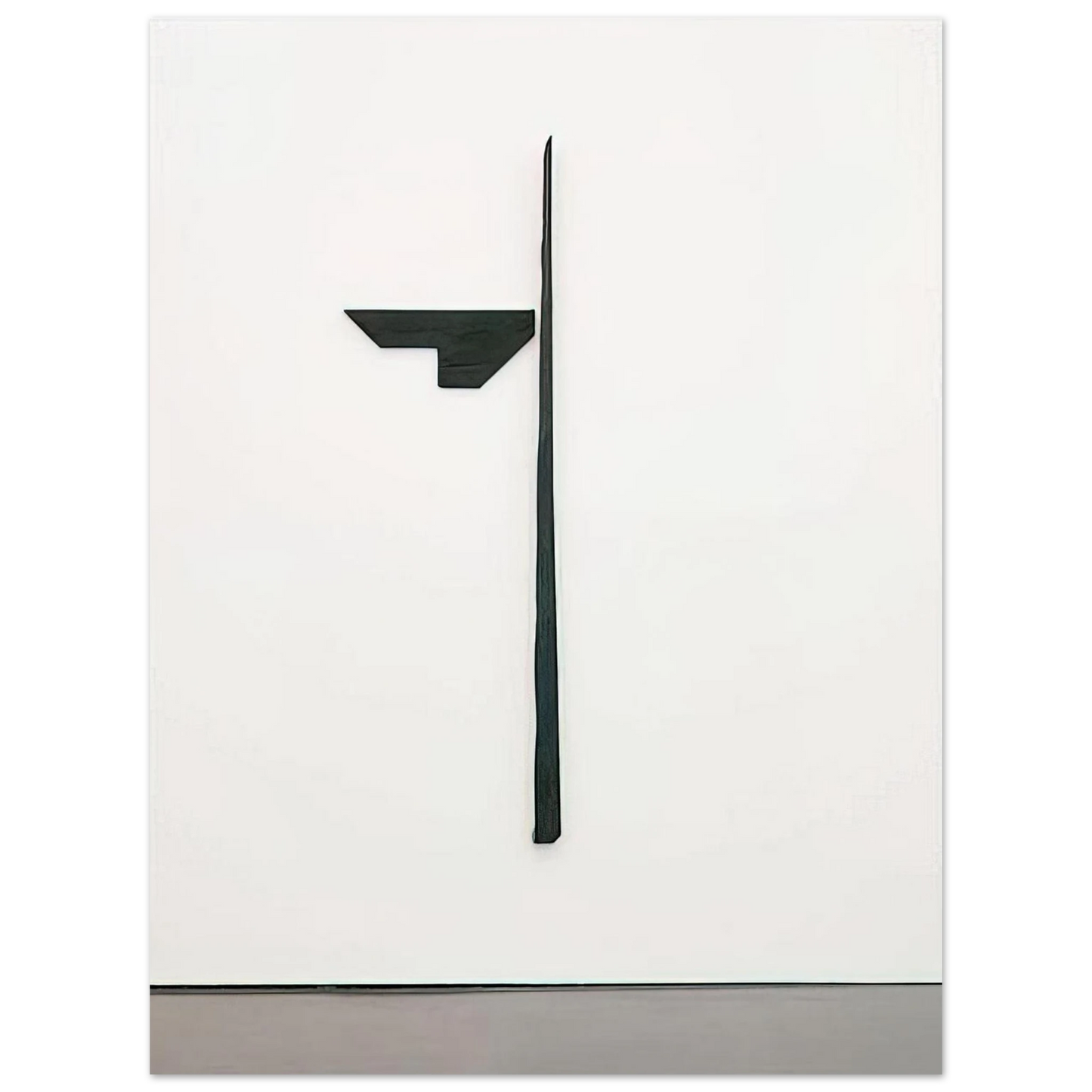
Blinky Palermo - Butterfly II - 1969 75x100 cm / 30x40inches Fine Art Poster
Couldn't load pickup availability
Elevate Your Space with Blinky Palermo's Butterfly II (1969)
Blinky Palermo, a visionary student of Joseph Beuys, occupies a singular space in the history of European abstraction. His work Butterfly II (1969) is a masterclass in the economy of form and the emotive power of color. This museum-quality fine art print brings the intellectual rigor and minimalist beauty of Palermo’s late-sixties aesthetic into the modern interior.
As a premier gallery, RedKalion presents this 75x100 cm (30x40 inches) reproduction with an uncompromising commitment to archival excellence. Every Blinky Palermo fine art poster is crafted on our Master's Edition archival paper, chosen for its luxurious, natural white (off-white) finish and sophisticated matte texture. This uncoated substrate ensures that the artwork is viewed without glare, allowing the subtle geometry of Butterfly II to resonate with the same presence as the original gallery installation.
Technical Specifications of Your Archival Masterpiece:
- Premium Weight: Printed on substantial 250 gsm (110 lb) paper for a tactile, high-end feel.
- Museum Longevity: Acid-free (pH above 7) paper prevents yellowing and degradation over time.
- Sustainably Sourced: We utilize FSC-certified paper, ensuring your collection supports responsible forestry.
- Precision Printing: Archival-grade inks capture the depth and nuance of Palermo's 1969 palette.
At RedKalion, we do not simply sell prints; we curate heritage. This piece arrives as a testament to 20th-century German avant-garde, fulfilled on-demand with no minimum orders to ensure maximum quality control and environmental responsibility. Enrich your collection with an archival reproduction that endures.
Discover Unlimited Art Possibilities
At RedKalion, you can find virtually any artwork from any artist, available in a wide range of sizes to perfectly match your space.
If you didn’t find what you’re looking for, contact us at support@redkalion.com . We will source any artwork and produce it in any size and format you need, including art prints, posters, canvas, framed pieces, framed canvas, and more.
For dedicated art enthusiasts, we also offer handcrafted replicas of any artwork, carefully painted by highly skilled artists using traditional techniques.
For custom requests, contact us at support@redkalion.com .
What defines the print quality of the Butterfly II reproduction?
We use Master's Edition archival paper, a 250 gsm museum-quality substrate. Its matte, uncoated finish and natural white tone provide a luxurious texture that accurately reflects Blinky Palermo's minimalist aesthetic while ensuring archival-grade detail.
Is the paper used for this Blinky Palermo print sustainable?
Yes, all our prints use FSC-certified paper. This ensures that the material is sourced from responsibly managed forests, meeting high environmental and social standards for sustainable art production.
How will the colors of this fine art print endure over time?
The print is produced on acid-free paper with a pH above 7. This archival standard prevents the paper from yellowing or becoming brittle, ensuring the vibrant geometry of the 1969 work stays pristine for decades.
How is the artwork shipped and fulfilled by RedKalion?
Every order is printed and shipped on demand with no minimum requirements. This bespoke approach ensures your Blinky Palermo poster is freshly produced and carefully packaged for secure global delivery.
What are the exact dimensions and thickness of this artwork?
This specific edition measures 75x100 cm (30x40 inches). The paper features a thickness of 0.29 mm (11.4 mils), providing the structural integrity required for professional framing and long-term display.
What is the historical significance of the year 1969 for Blinky Palermo?
1969 was a pivotal year for Palermo as he transitioned into his most celebrated 'Cloth Pictures' and geometric explorations. Butterfly II exemplifies his shift toward a more conceptual and architectural understanding of painting.
How does Butterfly II reflect Palermo's minimalist philosophy?
The work emphasizes the relationship between form and space. By stripping away narrative, Palermo uses the 'Butterfly' motif to explore how simple geometric divisions can alter the viewer's perception of color and balance.