RedKalion
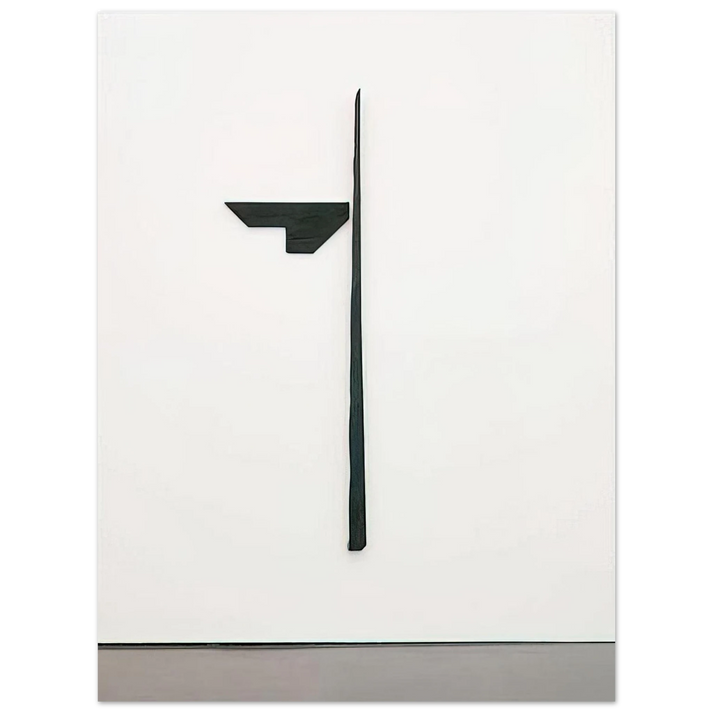
Blinky Palermo - BUTTERFLY II 1969 75x100 cm / 30x40inches Fine Art Poster
Blinky Palermo - BUTTERFLY II 1969 75x100 cm / 30x40inches Fine Art Poster
Couldn't load pickup availability
Elevate Your Space with Blinky Palermo’s BUTTERFLY II (1969)
Experience the profound simplicity of Blinky Palermo’s BUTTERFLY II 1969, a cornerstone of German Minimalism and Post-Painterly Abstraction. This masterfully curated fine art print captures the subtle tension between geometric form and spatial rhythm that defined Palermo’s short but influential career. Originally conceived during his exploration of color theory and shape, this piece serves as a dialogue between the artwork and the environment it inhabits.
Artistic Significance and Historical Context
A protégé of Joseph Beuys, Blinky Palermo (born Peter Heisterkamp) sought to strip art down to its essential components. In BUTTERFLY II, the artist utilizes a delicate balance of form that transcends traditional canvas boundaries. By bringing this museum-quality reproduction into your collection, you are not just acquiring a poster; you are preserving a moment of 20th-century avant-garde history. This specific work exemplifies Palermo's ability to evoke emotion through structural restraint, making it a sophisticated addition to any modern interior.
Uncompromising Material Excellence
At RedKalion, we believe that world-class art deserves world-class materials. This archival-grade reproduction is printed on our Master's Edition archival paper, chosen specifically to replicate the intended depth of Palermo's palette. The matte, uncoated finish provides a natural white (off-white) luxurious texture that eliminates glare, allowing the minimalist geometry to remain the focal point under any lighting condition.
- Weight & Durability: Robust 250 gsm (110 lb) paper for a premium, heavy-duty feel.
- Archival Longevity: Acid-free (pH above 7) construction ensures the paper will not yellow or degrade, preserving the 1969 aesthetic for generations.
- Sustainable Craftsmanship: Printed on FSC-certified paper, reflecting a commitment to both artistic and environmental integrity.
- Precise Dimensions: Scaled to 75x100 cm (30x40 inches), perfect for a statement wall installation.
RedKalion stands as the definitive curator for those seeking fine art prints that bridge the gap between gallery walls and private residences. Each order is printed on demand with meticulous attention to detail, ensuring your piece arrives in pristine, museum-ready condition.
Discover Unlimited Art Possibilities
At RedKalion, you can find virtually any artwork from any artist, available in a wide range of sizes to perfectly match your space.
If you didn’t find what you’re looking for, contact us at support@redkalion.com . We will source any artwork and produce it in any size and format you need, including art prints, posters, canvas, framed pieces, framed canvas, and more.
For dedicated art enthusiasts, we also offer handcrafted replicas of any artwork, carefully painted by highly skilled artists using traditional techniques.
For custom requests, contact us at support@redkalion.com .
What defines the quality of this Blinky Palermo print?
RedKalion uses Master's Edition archival paper, a museum-quality substrate that ensures high-fidelity color reproduction. The 250 gsm weight and matte finish provide a luxurious, glare-free texture suitable for premium fine art collections.
Is the paper used for BUTTERFLY II 1969 sustainable?
Yes, we use FSC-certified paper for all our Blinky Palermo reproductions. This ensures that your fine art poster is produced using responsibly sourced materials that meet strict environmental and social standards.
How will the print be shipped and are there minimum orders?
There are no minimum order requirements. Each print is produced on demand and shipped in protective, secure packaging to ensure it reaches you in gallery condition, regardless of your location.
Will the colors of this fine art poster fade over time?
No. Our prints utilize acid-free paper with a pH above 7. This archival standard prevents yellowing and protects the integrity of the pigments, ensuring the artwork remains vibrant for decades.
What are the exact dimensions and weight of the paper?
This print measures 75x100 cm (30x40 inches). It is printed on 250 gsm (110 lb) paper with a thickness of 0.29 mm (11.4 mils), providing a substantial, premium feel.
What is the significance of the 'Butterfly' series in Palermo's career?
The Butterfly series represents Palermo's mastery of 'Stoffbilder' (fabric paintings) and geometric abstraction, exploring how simple shapes can alter the perception of architectural space and light.
How does this piece fit into the Minimalism movement?
BUTTERFLY II 1969 embodies Minimalism by rejecting representational subject matter, focusing instead on the physical properties of color and form to create a pure visual experience.