RedKalion
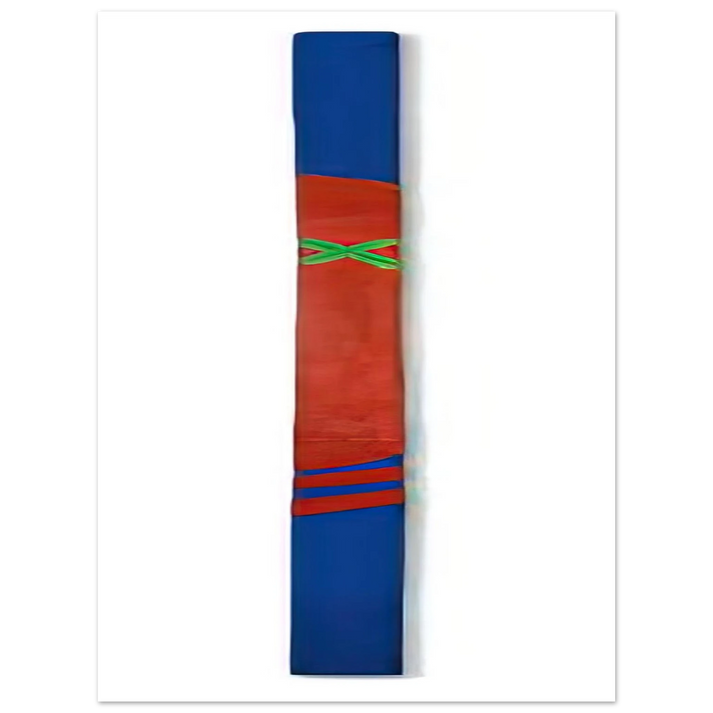
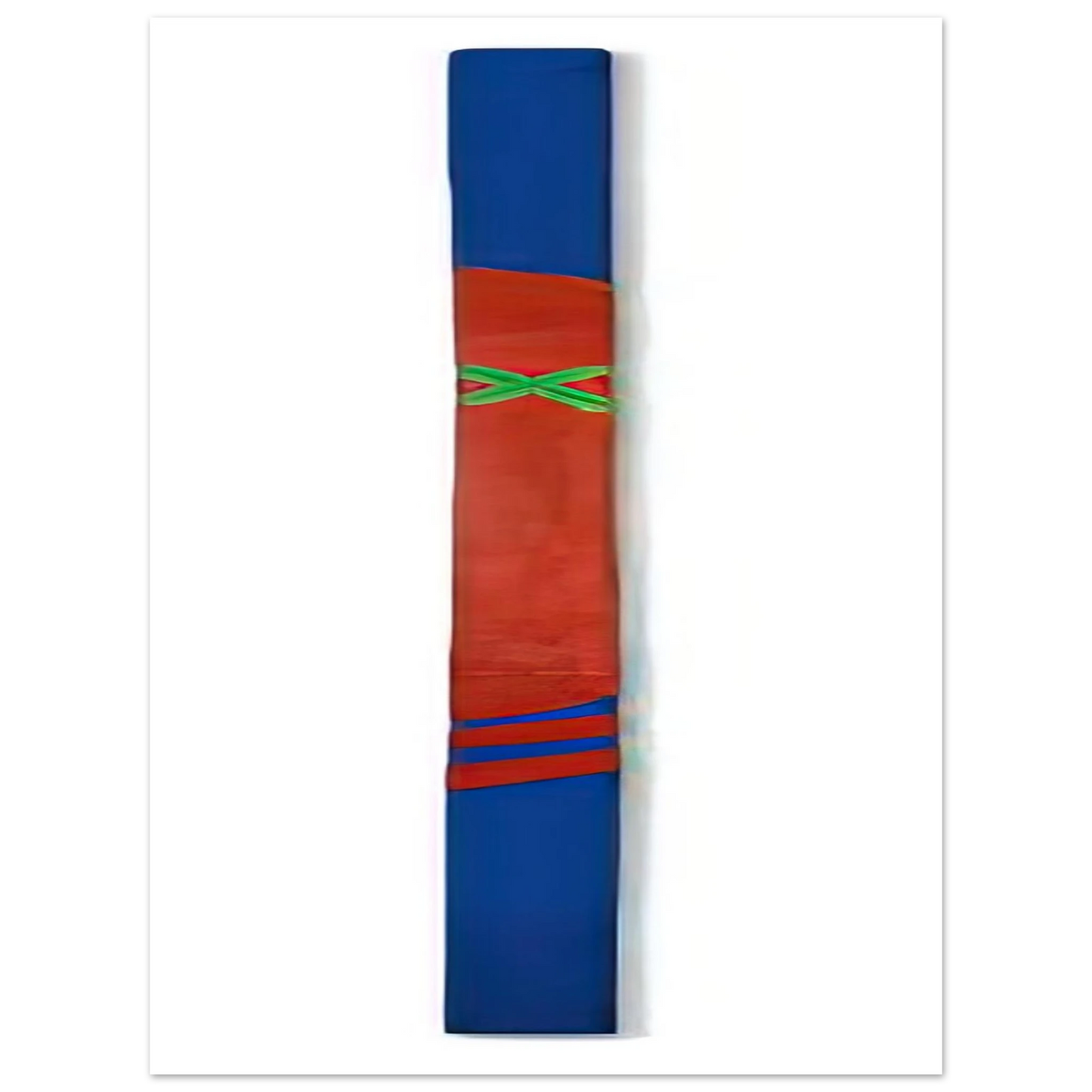
Blinky Palermo - OHNE TITEL 1964 75x100 cm / 30x40inches Fine Art Poster
Blinky Palermo - OHNE TITEL 1964 75x100 cm / 30x40inches Fine Art Poster
Couldn't load pickup availability
Experience the Radical Minimalism of Blinky Palermo's OHNE TITEL 1964
Step into the avant-garde world of 20th-century German abstraction with our museum-quality reproduction of Blinky Palermo’s OHNE TITEL 1964. A pivotal figure in the post-war art scene and a protégé of Joseph Beuys, Palermo redefined the relationship between color, form, and the space they inhabit. This early work captures the burgeoning genius of an artist who sought to strip art down to its essential geometric truths.
Our fine art print of this masterpiece is curated specifically for the discerning collector. Utilizing RedKalion’s Master's Edition archival paper, we preserve the subtle nuances and the stark, intentional compositions that characterized Palermo's transition into radical abstraction. This is more than a poster; it is a sophisticated dialogue with modernism, rendered with absolute precision.
Exceptional Materiality and Craftsmanship
At RedKalion, we believe that world-class art deserves world-class materials. This reproduction is meticulously printed on 250 gsm (110 lb) off-white, museum-quality paper. The matte, uncoated finish ensures a luxurious texture that eliminates glare, allowing the viewer to appreciate the depth of Palermo’s vision without distraction.
- Archival Longevity: Acid-free (pH above 7) to prevent yellowing and degradation over decades.
- Sustainable Sourcing: Printed on FSC-certified paper, reflecting a commitment to both art and the environment.
- Premium Thickness: A robust 0.29 mm (11.4 mils) thickness ensures a flat, professional hang.
Elevate your interior space with a piece that bridges the gap between mid-century innovation and contemporary elegance. This archival masterpiece is an investment in aesthetic excellence, ensuring that the legacy of Blinky Palermo endures in your private collection.
Discover Unlimited Art Possibilities
At RedKalion, you can find virtually any artwork from any artist, available in a wide range of sizes to perfectly match your space.
If you didn’t find what you’re looking for, contact us at support@redkalion.com . We will source any artwork and produce it in any size and format you need, including art prints, posters, canvas, framed pieces, framed canvas, and more.
For dedicated art enthusiasts, we also offer handcrafted replicas of any artwork, carefully painted by highly skilled artists using traditional techniques.
For custom requests, contact us at support@redkalion.com .
What is the historical significance of Blinky Palermo's OHNE TITEL 1964?
This work represents Palermo's early exploration of geometric abstraction. It marks his transition from traditional painting toward a radical simplicity that would define the German post-war aesthetic and his eventual renowned fabric paintings.
What are the physical characteristics of the paper used for this print?
We use Master's Edition archival paper. It is a 250 gsm (110 lb) natural white, matte, and uncoated paper with a thickness of 0.29 mm (11.4 mils), providing a premium, museum-grade feel.
Will this Blinky Palermo reproduction yellow over time?
No. Our prints use acid-free paper with a pH above 7, which prevents the paper from yellowing or becoming brittle, ensuring your investment remains in pristine condition for generations.
Is the paper used for these prints environmentally friendly?
Yes, RedKalion is committed to sustainability. We exclusively use FSC-certified paper (or equivalent certifications) to ensure that your fine art print is produced with responsible forest management in mind.
How does RedKalion handle shipping and order minimums?
There are no minimum order requirements. Each museum-quality reproduction is printed and shipped on demand, ensuring that your order is handled with the highest level of individual care and efficiency.
How does the matte finish affect the viewing experience?
The natural white, matte finish is designed to eliminate reflections and glare. This provides a soft, sophisticated look that emphasizes the rich textures and deep tones of Palermo's abstract composition.
Where was Blinky Palermo based when he created this work?
In 1964, Palermo was studying at the Kunstakademie Düsseldorf under Joseph Beuys. This era was critical for his development of the 'Stoffbilder' and his unique minimalist style that challenged conventional painting.