RedKalion
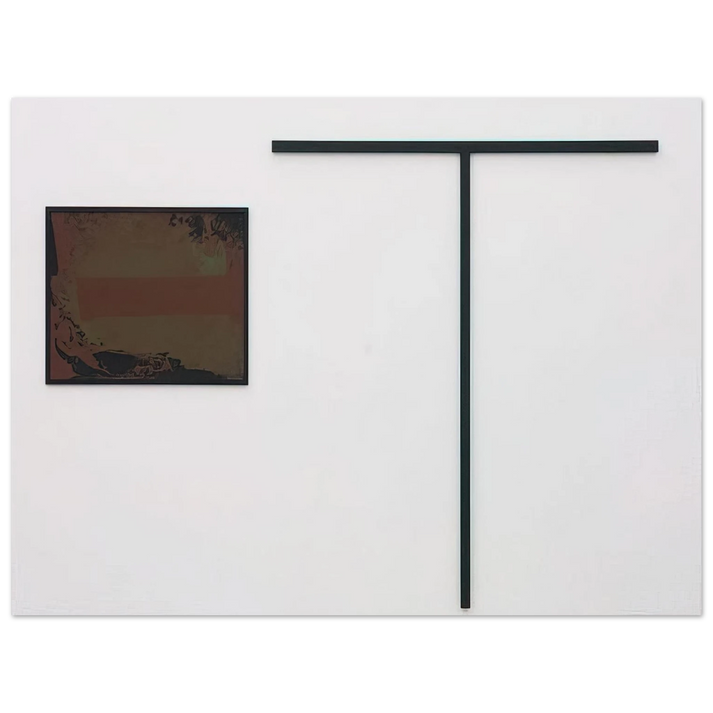
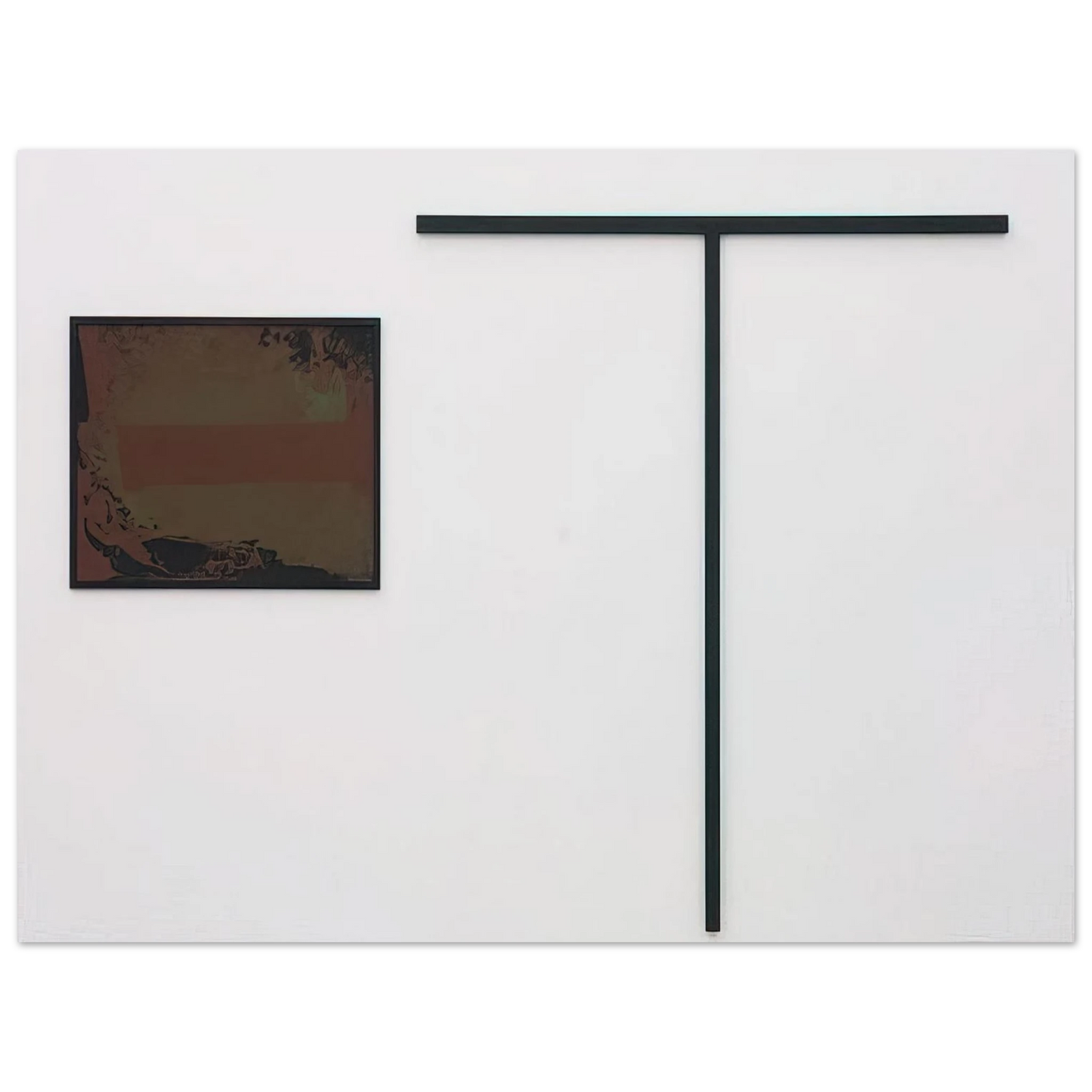
Blinky Palermo - untitled T-formiges Objekt mit Gouache - 1972 75x100 cm / 30x40inches Fine Art Poster
Blinky Palermo - untitled T-formiges Objekt mit Gouache - 1972 75x100 cm / 30x40inches Fine Art Poster
Couldn't load pickup availability
Elevate Your Collection with Blinky Palermo’s Untitled (T-förmiges Objekt mit Gouache)
Immerse your space in the minimalist brilliance of Blinky Palermo with this museum-quality reproduction of his 1972 masterwork, Untitled (T-förmiges Objekt mit Gouache). A key figure in European post-war abstraction and a protégé of Joseph Beuys, Palermo redefined the relationship between color, form, and architectural space. This specific T-shaped composition represents the pinnacle of his exploration into 'Objects'—pieces that exist in the fertile ground between painting and sculpture.
Our fine art print captures the subtle tonal variations and geometric precision of the original 1972 work. At 75x100 cm (30x40 inches), this piece serves as a sophisticated focal point for any modern interior, echoing the spatial sensitivity that Palermo was celebrated for. Every detail, from the delicate application of gouache to the structural integrity of the T-form, is preserved with archival accuracy.
The RedKalion Archival Standard
At RedKalion, we believe that world-class art deserves world-class materials. This reproduction is printed on our Master's Edition archival paper, curated specifically for its luxurious texture and longevity. The paper is a heavy 250 gsm (110 lb) with a thickness of 0.29 mm (11.4 mils), providing a substantial, premium feel that distinguishes it from standard posters.
- Matte Finish: An uncoated, natural white (off-white) finish that eliminates glare and enhances the depth of the gouache colors.
- Museum-Quality Longevity: Acid-free (pH above 7) construction prevents yellowing and ensures the piece endures for generations.
- Sustainability: Printed on FSC-certified paper, reflecting a commitment to both artistic excellence and environmental responsibility.
- Precision Fulfillment: Each piece is printed on demand to the highest gallery standards with no minimum order requirements.
By choosing this RedKalion edition, you are acquiring an archival masterpiece that honors Blinky Palermo’s legacy, blending 20th-century avant-garde history with contemporary print technology.
Discover Unlimited Art Possibilities
At RedKalion, you can find virtually any artwork from any artist, available in a wide range of sizes to perfectly match your space.
If you didn’t find what you’re looking for, contact us at support@redkalion.com . We will source any artwork and produce it in any size and format you need, including art prints, posters, canvas, framed pieces, framed canvas, and more.
For dedicated art enthusiasts, we also offer handcrafted replicas of any artwork, carefully painted by highly skilled artists using traditional techniques.
For custom requests, contact us at support@redkalion.com .
What makes the Master's Edition paper unique?
Our Master's Edition is a 250 gsm archival-grade paper. It features a natural white, matte finish and is acid-free to ensure your Blinky Palermo print remains vibrant for decades without yellowing.
What are the exact dimensions of this fine art poster?
This specific edition of Blinky Palermo's work is available in a 75x100 cm (30x40 inches) format, perfectly proportioned to respect the original 1972 T-shaped composition.
How is the longevity of the print guaranteed?
RedKalion uses pH-neutral (acid-free) paper with a pH above 7. This prevents the degradation and yellowing common in standard prints, ensuring a museum-quality legacy for your collection.
Is the paper used for this Palermo print sustainable?
Yes, we exclusively use FSC-certified paper, ensuring that your art piece supports responsible forest management while meeting the highest aesthetic standards.
Is there a minimum order requirement for RedKalion prints?
No, RedKalion offers on-demand fulfillment with no minimum orders. Each Blinky Palermo piece is printed specifically for you and shipped with meticulous care.
What does the T-shape represent in Palermo's 1972 work?
Palermo used 'Objects' (Objekte) to bridge the gap between painting and sculpture. The T-shape explores how geometric forms interact with the surrounding wall, turning the architecture into part of the art.
Why is gouache significant in this specific untitled piece?
Gouache provides a flat, opaque matte finish that absorbs light differently than oils. In this 1972 work, it emphasizes the pure materiality of the color against the T-shaped form.