RedKalion
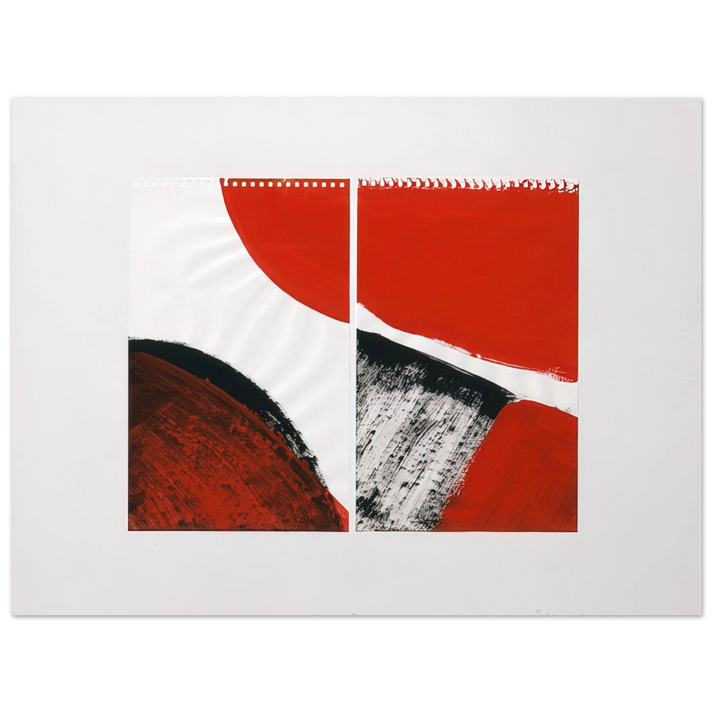
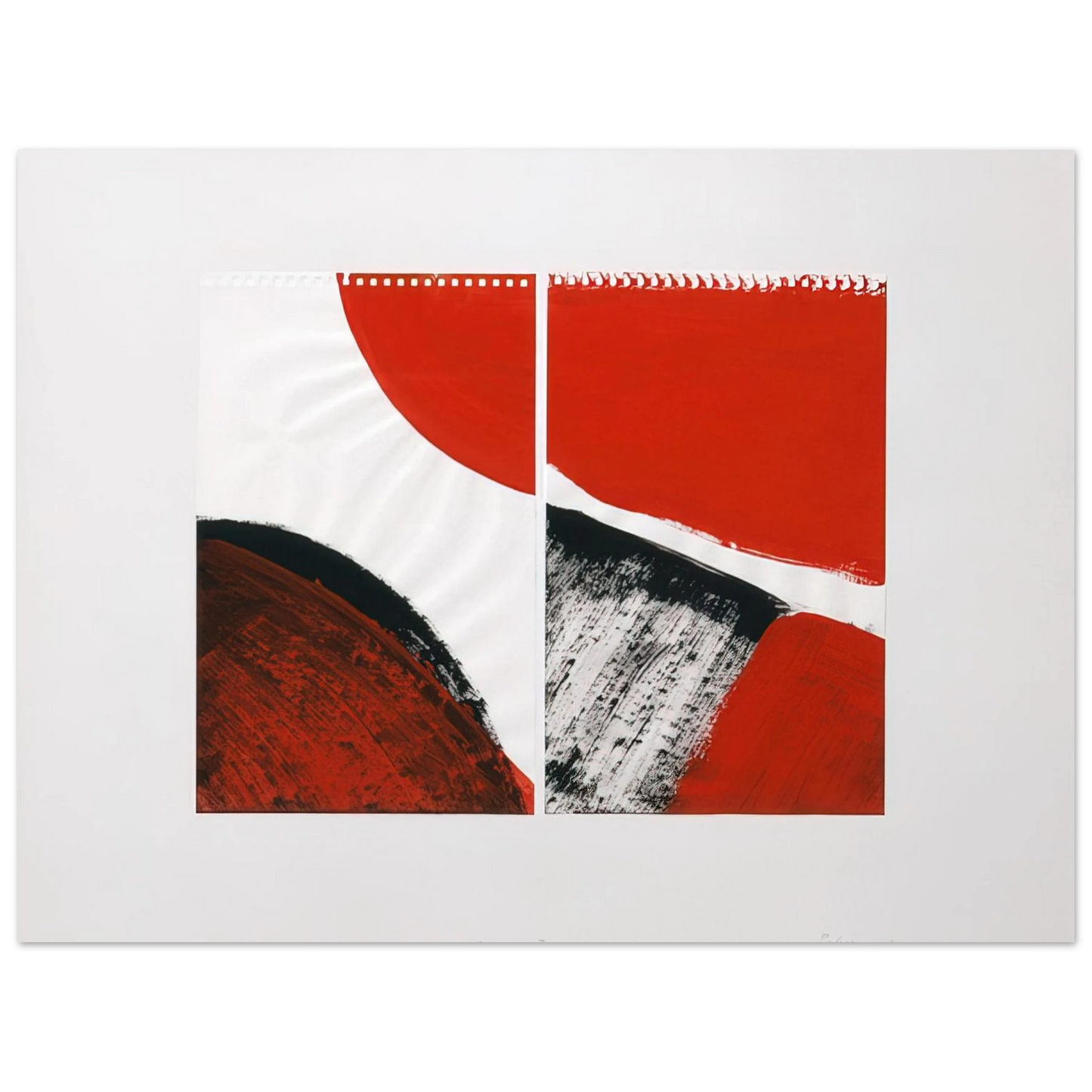
Blinky Palermo - Who knows the beginning and who knows the end II - 1976 75x100 cm / 30x40inches Fine Art Poster
Blinky Palermo - Who knows the beginning and who knows the end II - 1976 75x100 cm / 30x40inches Fine Art Poster
Couldn't load pickup availability
Elevate Your Space with Blinky Palermo’s Abstract Masterpiece
Immerse yourself in the profound minimalism of Blinky Palermo with this museum-quality reproduction of Who knows the beginning and who knows the end II (1976). This late-career work by the German artist, a protégé of Joseph Beuys, represents the pinnacle of his exploration into color, space, and the emotional resonance of geometric forms. Originally conceived just a year before his untimely passing, this piece exemplifies Palermo's transition toward more complex, multi-layered tonal relationships that challenge the viewer’s perception of beginning and finality.
The Art of Minimalist Expression
At RedKalion, we believe that fine art deserves a medium that respects the artist's original intent. Who knows the beginning and who knows the end II is not merely a poster; it is a sophisticated fine art print curated for those who appreciate the nuances of 20th-century abstraction. Palermo’s technique—characterized by a rhythmic, almost architectural application of color—is rendered here with breathtaking clarity, ensuring that every subtle shift in hue and composition is preserved for the modern interior.
Exquisite Archival Quality
To honor Palermo's legacy, RedKalion presents this piece on our Master's Edition archival paper. This premium substrate offers a luxurious, matte, uncoated finish in a natural white (off-white) tone, providing a tactile richness that eliminates glare. Crafted to be acid-free (pH above 7), the paper prevents the yellowing associated with standard prints, ensuring your investment remains as vibrant as the day it was printed. With a substantial weight of 250 gsm (110 lb) and a thickness of 0.29 mm, this print possesses the structural integrity required for professional framing and long-term display.
- Museum-Grade Longevity: Acid-free materials designed to last for generations.
- Sustainable Excellence: Printed on FSC-certified paper, respecting both art and the environment.
- Precision Craftsmanship: Each order is printed on demand with meticulous attention to detail.
Whether you are a seasoned collector or seeking a centerpiece for a minimalist home, this 75x100 cm (30x40 inches) edition brings the intellectual depth of 1970s European abstraction into your private collection. Experience the enduring allure of an archival masterpiece that transcends time.
Discover Unlimited Art Possibilities
At RedKalion, you can find virtually any artwork from any artist, available in a wide range of sizes to perfectly match your space.
If you didn’t find what you’re looking for, contact us at support@redkalion.com . We will source any artwork and produce it in any size and format you need, including art prints, posters, canvas, framed pieces, framed canvas, and more.
For dedicated art enthusiasts, we also offer handcrafted replicas of any artwork, carefully painted by highly skilled artists using traditional techniques.
For custom requests, contact us at support@redkalion.com .
What are the physical specifications of this Blinky Palermo print?
This fine art print uses Master's Edition archival paper with a 250 gsm (110 lb) weight and 0.29 mm thickness. It features a matte, uncoated, natural white finish for a premium, non-reflective aesthetic.
Will the paper yellow or degrade over time?
No. We use acid-free paper with a pH level above 7. This museum-quality standard ensures the print resists yellowing and maintains its integrity for decades under proper lighting conditions.
Is the paper used for this reproduction sustainable?
Yes, RedKalion is committed to environmental responsibility. This print is produced on FSC-certified paper, ensuring it meets the highest social and environmental standards in forestry.
How is the print packaged and shipped?
Your artwork is printed on demand and shipped in secure, protective packaging designed to prevent creases and damage. We fulfill orders with no minimum requirements to ensure efficiency and care.
Does the print include a frame?
This product is a standalone fine art poster measuring 75x100 cm (30x40 inches). It is sold unframed to allow you to choose a custom frame that perfectly matches your interior decor.
What is the significance of the title "Who knows the beginning and who knows the end II"?
The title reflects Palermo’s interest in the metaphysical and cyclical nature of time. Created in 1976, it highlights his move away from purely formalist exercises toward a more philosophical engagement with abstract art.
How does this 1976 work fit into Blinky Palermo's artistic evolution?
This piece belongs to Palermo’s late period, where he refined his use of color-field relationships. It demonstrates his mastery of "Stoffbilder" (fabric paintings) and metal paintings' influences, distilled into a powerful graphic composition.