RedKalion
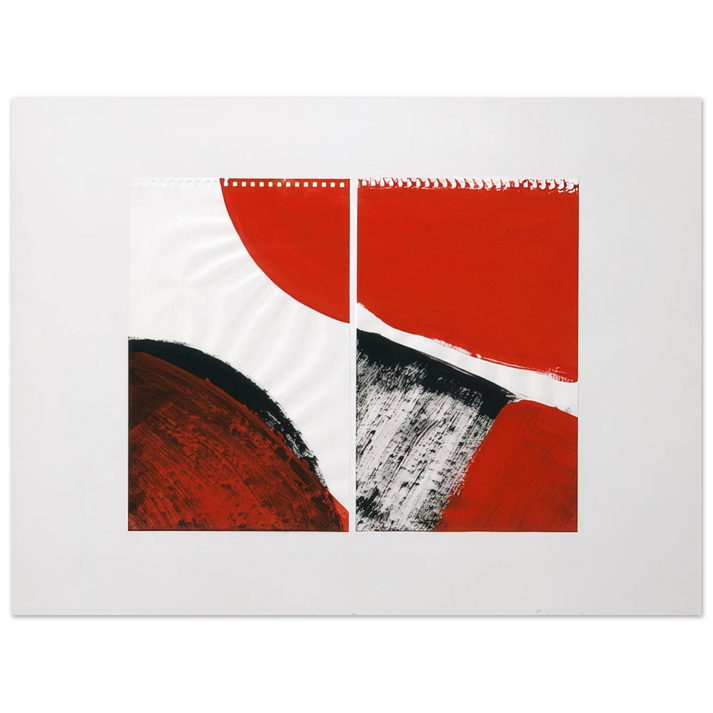
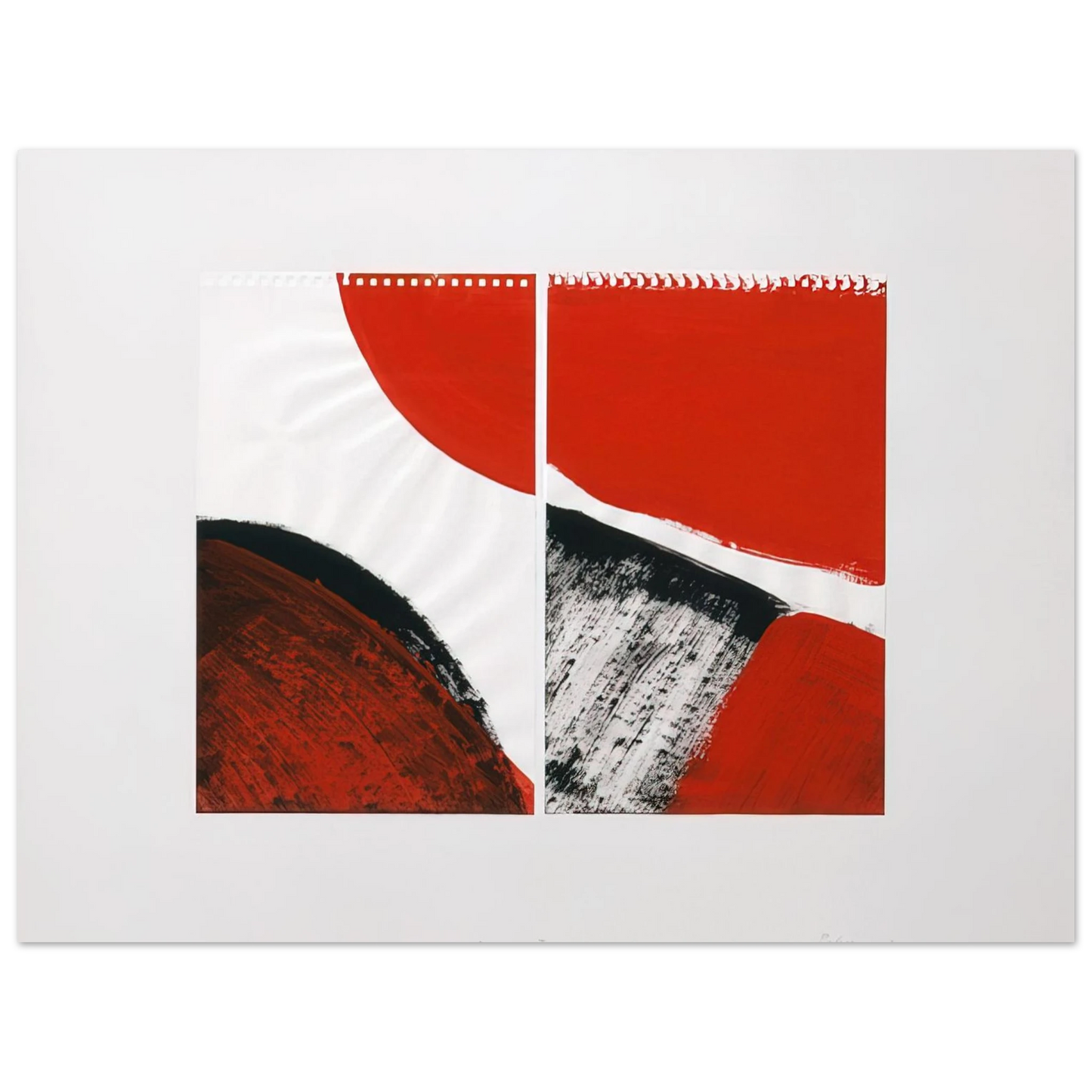
Blinky Palermo - WHO KNOWS THE BEGINNING AND WHO KNOWS THE END II 1976 75x100 cm / 30x40inches Fine Art Poster
Blinky Palermo - WHO KNOWS THE BEGINNING AND WHO KNOWS THE END II 1976 75x100 cm / 30x40inches Fine Art Poster
Couldn't load pickup availability
Elevate Your Space with Blinky Palermo’s Abstract Masterpiece
Blinky Palermo’s WHO KNOWS THE BEGINNING AND WHO KNOWS THE END II (1976) represents a profound moment in late 20th-century minimalism. As a student of Joseph Beuys, Palermo (born Peter Heisterkamp) pushed the boundaries of painting, moving beyond the traditional canvas to explore the intrinsic relationship between color, form, and the architectural environment. This 1976 work is a testament to his mastery of subtle geometric arrangements and the emotional resonance of chromatic theory.
Museum-Quality Reproductions for the Discerning Collector
At RedKalion, we honor Palermo’s legacy by utilizing the highest standards of fine art printing. This 75x100 cm (30x40 inches) fine art poster is rendered on our Master's Edition archival paper. This premium, off-white, uncoated paper provides a luxurious matte finish that eliminates glare, allowing the viewer to appreciate the nuanced color palette exactly as the artist intended. With a weight of 250 gsm (110 lb) and a thickness of 0.29 mm (11.4 mils), the print possesses a substantial, gallery-grade feel.
Archival Integrity and Sustainability
RedKalion is dedicated to providing art that endures. Our prints are acid-free with a pH above 7, ensuring that the paper will not yellow or degrade over time, preserving the integrity of the work for generations. Furthermore, we utilize FSC-certified paper, reflecting our commitment to environmental responsibility. Each piece is printed and shipped on demand, ensuring a bespoke quality without the waste of mass production.
- Artist: Blinky Palermo
- Title: WHO KNOWS THE BEGINNING AND WHO KNOWS THE END II (1976)
- Paper: 250 gsm Master's Edition archival paper
- Finish: Matte, natural white, luxurious texture
- Longevity: Acid-free and pH-balanced for museum-grade durability
Discover Unlimited Art Possibilities
At RedKalion, you can find virtually any artwork from any artist, available in a wide range of sizes to perfectly match your space.
If you didn’t find what you’re looking for, contact us at support@redkalion.com . We will source any artwork and produce it in any size and format you need, including art prints, posters, canvas, framed pieces, framed canvas, and more.
For dedicated art enthusiasts, we also offer handcrafted replicas of any artwork, carefully painted by highly skilled artists using traditional techniques.
For custom requests, contact us at support@redkalion.com .
What makes the Master's Edition paper unique for this Blinky Palermo print?
The Master's Edition is a 250 gsm archival-grade paper. It features a matte, natural white finish that prevents yellowing over time because it is acid-free (pH above 7), ensuring the minimalism of Palermo’s work remains pristine.
Are RedKalion prints sustainable?
Yes, we prioritize sustainability by using FSC-certified paper. Each museum-quality reproduction is printed and shipped on demand, which reduces waste and ensures the highest quality standards for every individual order.
What are the physical dimensions and thickness of the poster?
This print measures 75x100 cm (30x40 inches). It has a thickness of 0.29 mm (11.4 mils), providing a robust and premium feel compared to standard mass-produced posters.
How is the artwork shipped and fulfilled?
We offer on-demand fulfillment with no minimum order requirements. Each archival print is carefully packaged to ensure it arrives in gallery-ready condition at your doorstep, ready for framing.
Does the print come with a frame?
This product is a premium fine art poster on museum-quality paper. To provide you with the most flexibility in matching your interior design, the frame is not included.
What is the historical significance of 'WHO KNOWS THE BEGINNING AND WHO KNOWS THE END II'?
Created in 1976, this late work by Palermo explores the philosophical transition of color. It reflects his interest in how simple geometric structures can evoke complex existential questions through minimal visual language.
Why is Blinky Palermo considered a central figure in European Minimalism?
Palermo expanded the definition of painting by using unconventional materials and focusing on the spatial context of art. His influence bridges the gap between the Joseph Beuys tradition and American Minimalist movements.