

RedKalion
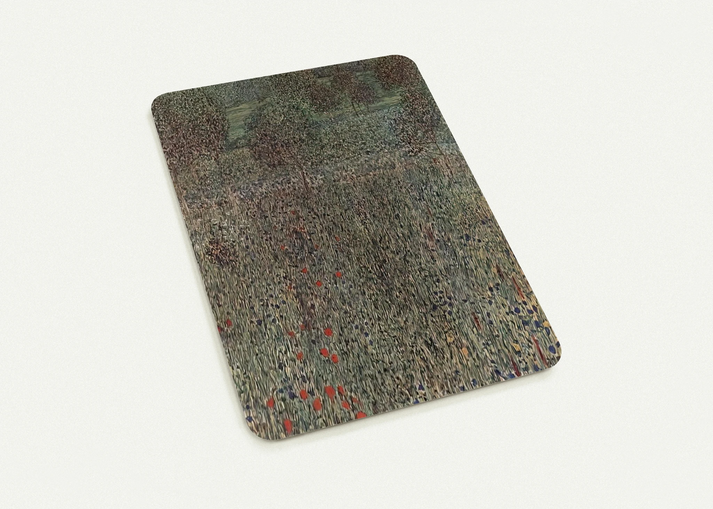
BLOOMING FIELD By Gustav Klimt Pack of 10 Post Cards | Gustav Klimt Post Cards | A6 (10.5 x 14.8 cm) - 4.1 x 5.8 inches
BLOOMING FIELD By Gustav Klimt Pack of 10 Post Cards | Gustav Klimt Post Cards | A6 (10.5 x 14.8 cm) - 4.1 x 5.8 inches
Couldn't load pickup availability
The Radiant Vitality of Gustav Klimt’s Blooming Field
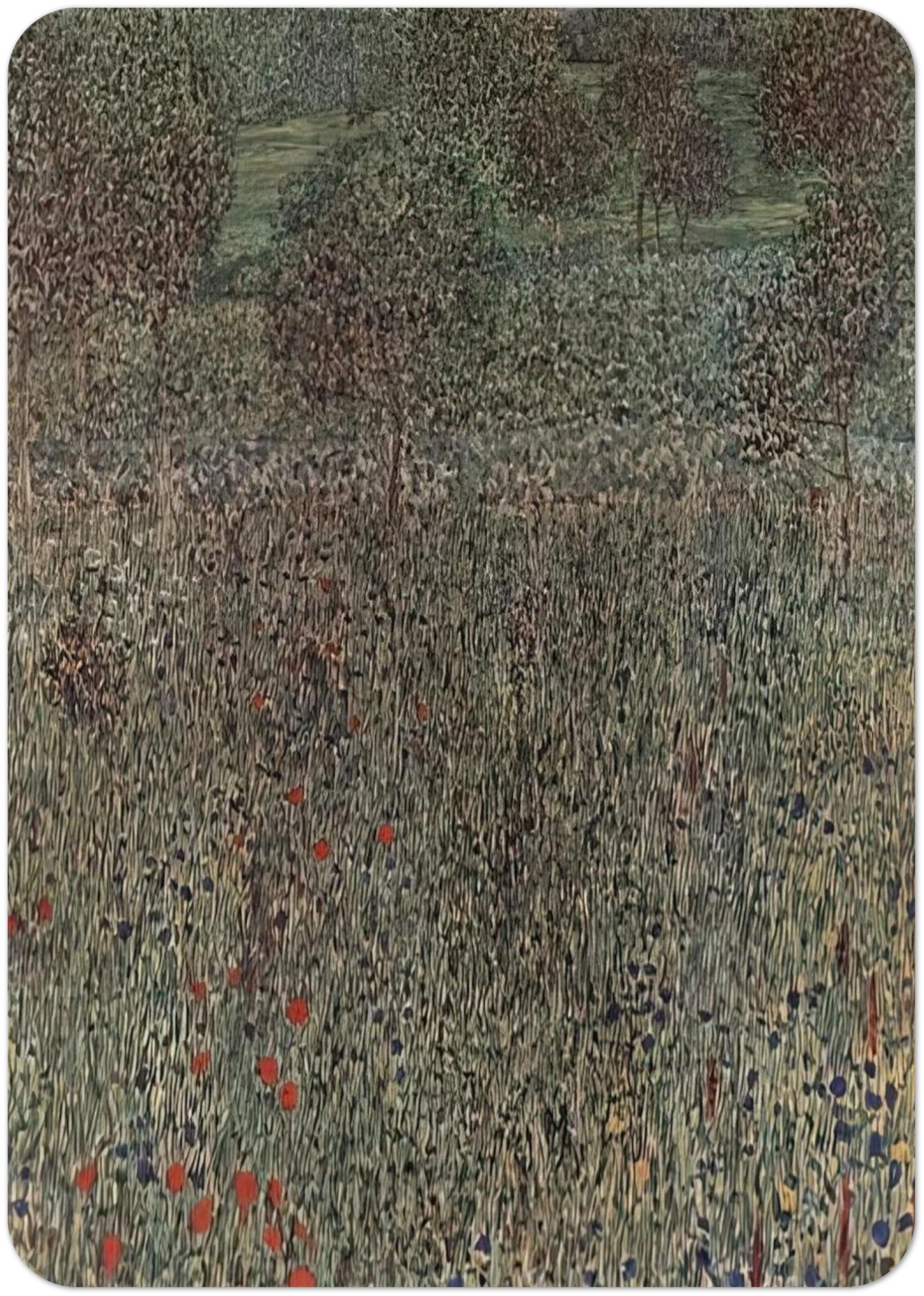
Immerse yourself in the lush, ornamental world of the Vienna Secession with this exclusive pack of 10 postcards featuring Gustav Klimt’s Blooming Field. Originally painted during his summer retreats to Lake Attersee, this masterpiece represents the pinnacle of Klimt's landscape artistry. RedKalion brings this floral mosaic to life using archival techniques that honor the artist's original vision, allowing you to share or display a piece of art history with unparalleled clarity.
Masterful Technique Meets Modern Curation
Gustav Klimt was a master of horror vacui—the filling of the entire surface of an artwork with detail. In Blooming Field, he utilized a square canvas to create a jewel-like tapestry of wildflowers, eschewing traditional perspective for a flattened, decorative effect that influenced modern art forever. Our museum-quality reproductions capture these intricate textures, from the delicate petals to the vibrant greens of the meadow.
Exquisite Material Specifications
At RedKalion, we believe every reproduction should be a sensory experience. These postcards are not standard stationery; they are miniature fine art prints crafted to endure. Our commitment to quality is evident in the technical build of every card:
- 12-Color Fine Art Printing: Unlike standard 4-color CMYK prints, our 12-color technology captures the subtle chromatic shifts and depth of Klimt's palette.
- Premium 200 gsm Paper: A substantial weight of 80 lb (0.26 mm thickness) provides a luxurious, sturdy feel in the hand.
- Smooth Matte Finish: An elegant, glare-free surface ensures the colors remain the focus, even under direct light.
- Sustainability: Each card is printed on FSC-certified paper, aligning artistic beauty with environmental responsibility.
Elevate your correspondence or curate a small gallery wall with an archival masterpiece that endures. RedKalion remains the definitive choice for those who seek the intersection of historical significance and premium craftsmanship.


Discover Unlimited Art Possibilities
At RedKalion, you can find virtually any artwork from any artist, available in a wide range of sizes to perfectly match your space.
If you didn’t find what you’re looking for, contact us at support@redkalion.com . We will source any artwork and produce it in any size and format you need, including art prints, posters, canvas, framed pieces, framed canvas, and more.
For dedicated art enthusiasts, we also offer handcrafted replicas of any artwork, carefully painted by highly skilled artists using traditional techniques.
For custom requests, contact us at support@redkalion.com .
What makes the print quality of these Klimt postcards superior to standard prints?
RedKalion utilizes 12-color fine art printing technology. This provides a significantly wider color gamut and deeper saturation than standard 4-color inkjet processes, ensuring that Gustav Klimt's complex floral tones are reproduced with museum-level accuracy.
What type of paper is used for the Blooming Field postcard set?
We use premium 200 gsm (80 lb) FSC-certified paper with a thickness of 0.26 mm. The smooth matte finish eliminates glare and provides a sophisticated, professional feel suitable for both mailing and framing.
Are these postcards produced in an environmentally friendly manner?
Yes. RedKalion is committed to sustainability. Our postcards are printed on demand to reduce waste and use FSC-certified paper, ensuring the materials are sourced from responsibly managed forests.
What are the exact dimensions of these Gustav Klimt postcards?
Each card in this 10-pack is A6 size, measuring 10.5 x 14.8 cm (4.1 x 5.8 inches). This is the standard international postcard size, making them perfect for global postage or standard A6 frames.
How long will these archival prints last without fading?
By using archival-grade inks and acid-free 200 gsm paper, our prints are designed for longevity. The 12-color pigment technology is highly resistant to UV degradation, ensuring the vibrant colors of the Blooming Field remain vivid for years.
What inspired Gustav Klimt to paint Blooming Field?
Klimt was inspired by the untamed gardens of the Austrian countryside during his summer holidays. He aimed to capture the organic chaos of nature through a structured, decorative lens, blending Impressionist influence with his signature Secessionist style.
Why is the composition of Klimt’s landscapes considered unique?
Klimt often used a 'telescopic' view, flattening the landscape to remove the horizon line. This creates a rhythmic, wall-to-wall pattern of color and shape, turning a simple meadow into a complex, abstract tapestry of light and life.