RedKalion
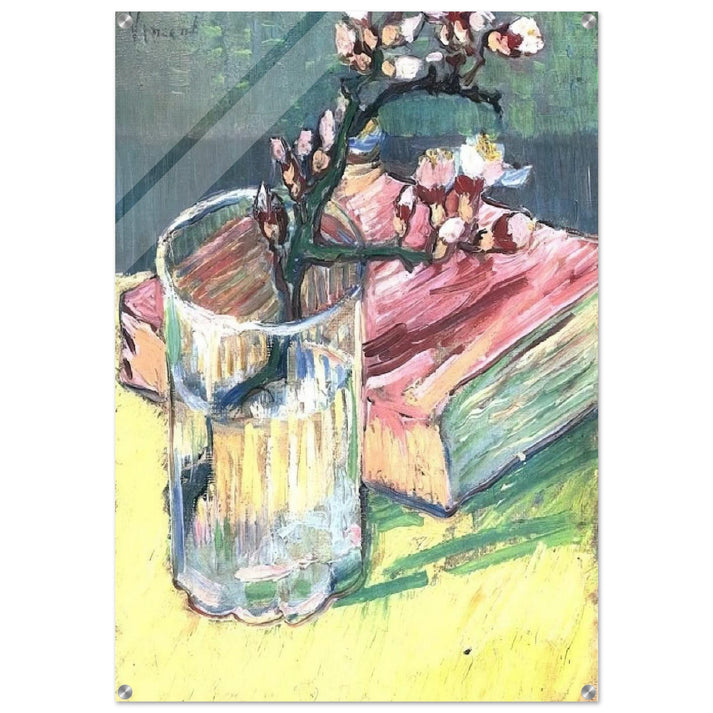
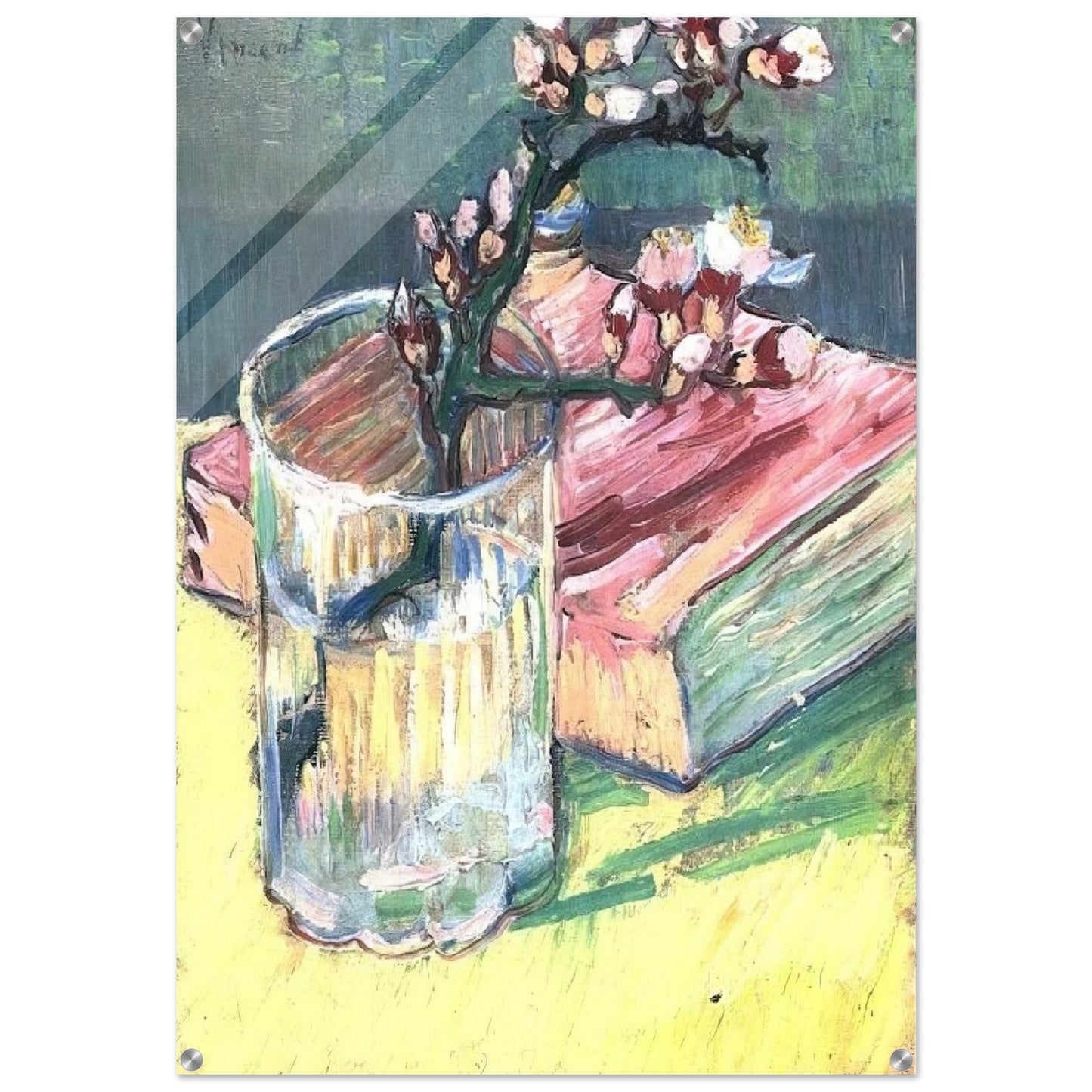
Blossoming Almond Branch in a Glass with a Book - Vincent van Gogh Acrylic Print - 70x100 cm / 28x40″ inches | Vincent van Gogh Wall Art | Vincent van Gogh Prints
Blossoming Almond Branch in a Glass with a Book - Vincent van Gogh Acrylic Print - 70x100 cm / 28x40″ inches | Vincent van Gogh Wall Art | Vincent van Gogh Prints
Couldn't load pickup availability
Elevate Your Space with Van Gogh’s Paris Masterpiece
Experience the delicate beauty of Vincent van Gogh’s 'Blossoming Almond Branch in a Glass with a Book', a poignant work from the artist’s transformative Paris period (1888). This museum-quality reproduction, curated by RedKalion, captures the ephemeral grace of early spring. Influenced heavily by Japanese ukiyo-e woodblock prints, Van Gogh utilizes a minimalist composition and a lighter palette to symbolize hope and intellectual awakening.
The RedKalion Archival Standard
Our Vincent van Gogh wall art is crafted using 4mm (0.15") premium acrylic, a medium that provides unparalleled depth, color vibrancy, and a sophisticated gloss. Unlike traditional glass, this durable acrylic is shatter-resistant and creates a striking 3D-like effect, allowing the soft pinks and greens of the almond blossoms to resonate with life. The straight-cut corners ensure a clean, modern silhouette that complements any high-end interior.
Refinement in Every Detail
This fine art print is designed for the discerning collector. To maintain the integrity of the image, any transparent areas are defaulted to white, ensuring the vibrant brushstrokes are never diluted. Each piece arrives ready for display, accompanied by a professional-grade hanging kit. The 14mm corner-set screw holes (8mm diameter) and 15mm screw heads offer a secure, floating aesthetic that transforms your wall into a private gallery wing.
- Premium Material: 4.15" high-grade acrylic for museum-quality clarity.
- Sophisticated Finish: Modern straight-cut edges and archival-grade printing.
- Seamless Installation: Comprehensive hardware kit included for immediate hanging.
- Lasting Legacy: UV-resistant inks designed for decades of vibrant color.
Discover Unlimited Art Possibilities
At RedKalion, you can find virtually any artwork from any artist, available in a wide range of sizes to perfectly match your space.
If you didn’t find what you’re looking for, contact us at support@redkalion.com . We will source any artwork and produce it in any size and format you need, including art prints, posters, canvas, framed pieces, framed canvas, and more.
For dedicated art enthusiasts, we also offer handcrafted replicas of any artwork, carefully painted by highly skilled artists using traditional techniques.
For custom requests, contact us at support@redkalion.com .
What materials are used for this Van Gogh print?
This print is crafted from 4mm (0.15") high-grade acrylic. This material enhances the vibrancy of Vincent van Gogh's palette while offering a durable, sleek, and modern finish compared to traditional framed prints.
How do I install the acrylic wall art?
Each RedKalion acrylic print includes a specialized hanging kit with screws. The piece features pre-drilled holes at each corner, positioned 14mm from the edge, designed to create a secure and sophisticated floating effect.
Will the colors fade over time?
No. We use archival-grade, UV-resistant inks specifically designed for museum-quality reproductions. This ensures your Vincent van Gogh wall art maintains its depth and brilliance for decades without yellowing or fading.
How is the print packaged for shipping?
We prioritize safe transit. Every acrylic masterpiece is securely wrapped in protective layers and shipped in high-strength, reinforced packaging to ensure it arrives at your doorstep in pristine condition.
What is the archival longevity of this piece?
RedKalion utilizes premium acrylic and pigment-based inks, providing a lifespan of 100+ years in indoor environments. This makes it an enduring investment for any fine art collection.
What is the significance of the almond branch in Van Gogh's work?
For Van Gogh, almond blossoms represented rebirth and the arrival of spring. Painted in 1888, this piece marks his move away from dark Dutch tones toward the bright, optimistic colors of French Impressionism.
Why is there a book included in the composition?
The inclusion of a book alongside the delicate glass and branch suggests a harmony between nature and human intellect, reflecting Van Gogh’s own deep engagement with literature during his time in Paris.