

RedKalion
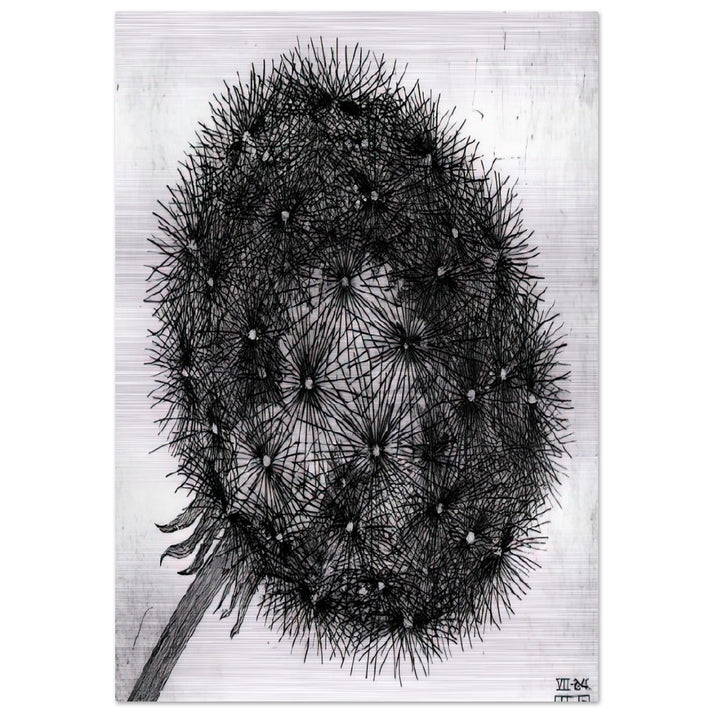
BLOWBALL I - MC Escher Brushed Aluminum Print - 70x100 cm / 28x40 inches | MC Escher Aluminum Print | MC Escher Prints
BLOWBALL I - MC Escher Brushed Aluminum Print - 70x100 cm / 28x40 inches | MC Escher Aluminum Print | MC Escher Prints
Couldn't load pickup availability
Elevate Your Space with M.C. Escher’s Mathematical Precision
M.C. Escher’s Blowball I is a testament to the artist's obsession with the intersection of nature and geometry. In this meticulous study, Escher captures the ephemeral beauty of a dandelion seed head, transforming a common botanical specimen into a complex architectural marvel. This museum-quality reproduction honors Escher's legacy of technical mastery and vision.
The Fusion of Fine Art and Modern Metallurgy
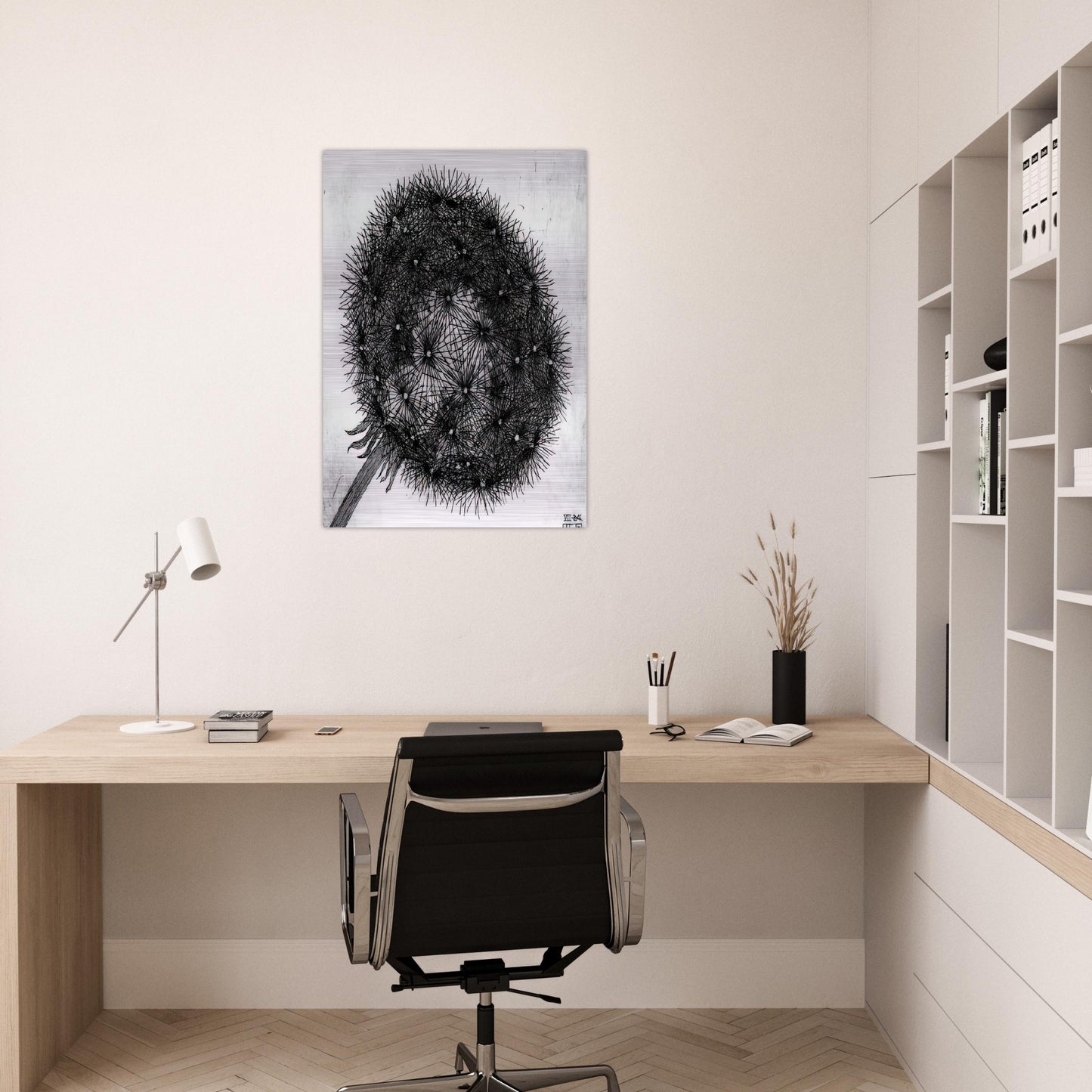
At RedKalion, we believe world-class art deserves an equally sophisticated medium. Our MC Escher Aluminum Print utilizes 3mm (0.12") brushed silver Aluminum DIBOND®. This material offers a rigid, durable base that complements the intricate lines of Escher’s work. The horizontal grain of the brushed silver adds a dynamic, shimmering quality to the highlights, while the matte finish ensures a glare-free viewing experience under any lighting condition.
Archival Craftsmanship: The RedKalion Standard
Every fine art print we produce is a dialogue between tradition and innovation. Using direct printing techniques on AluDibond, the ink bonds directly to the surface for unparalleled longevity. In Blowball I, any white areas are left unprinted, allowing the natural metallic silver of the aluminum to shine through. This creates a striking, high-contrast effect that emphasizes the delicate filaments of the dandelion seeds. Your archival masterpiece arrives ready to display with an included hanging kit, ensuring a seamless installation.
- Material: Brushed silver Aluminum DIBOND® for a premium metallic finish.
- Visual Depth: Horizontal grain adds texture and life to the monochromatic palette.
- Durability: 3mm thickness provides a lightweight yet warp-resistant structure.
- Sophistication: Glare-free matte finish specifically optimized for high-detail designs.


Discover Unlimited Art Possibilities
At RedKalion, you can find virtually any artwork from any artist, available in a wide range of sizes to perfectly match your space.
If you didn’t find what you’re looking for, contact us at support@redkalion.com . We will source any artwork and produce it in any size and format you need, including art prints, posters, canvas, framed pieces, framed canvas, and more.
For dedicated art enthusiasts, we also offer handcrafted replicas of any artwork, carefully painted by highly skilled artists using traditional techniques.
For custom requests, contact us at support@redkalion.com .
What makes the BLOWBALL I print unique?
This print utilizes M.C. Escher's original lithographic study of nature, reproduced on brushed aluminum. The silver metallic grain interacts with the light, creating a sense of movement in the dandelion's seeds that a standard paper print cannot replicate.
What are the benefits of an MC Escher Aluminum Print?
Aluminum DIBOND® is moisture-resistant and extremely durable. Unlike paper, it won't yellow or warp over time. The matte, glare-free finish is perfect for spaces with diverse lighting, highlighting the mathematical precision of the artwork.
How does the "brushed silver" effect work?
In this printing process, white areas of the original artwork are not printed. Instead, the raw brushed aluminum is exposed, providing a sophisticated metallic sheen that shifts as you move around the piece.
Is the hanging hardware included with the print?
Yes, every RedKalion aluminum print comes with a specialized hanging kit tailored to your region. This ensures your 70x100 cm masterpiece is securely and easily mounted upon arrival.
How long will this archival print last?
Our direct-to-aluminum printing process is designed for longevity. The archival-grade inks and rigid 3mm DIBOND® substrate ensure that the artwork remains vibrant and stable for decades in indoor environments.
When did M.C. Escher create the original Blowball I?
Escher created Blowball I in 1943. It represents a period where he turned his analytical eye toward the structures of the natural world, paving the way for his later explorations of infinity and tessellation.
What does the Blowball represent in Escher's work?
The blowball, or dandelion, represents Escher's fascination with spheres and repetitive patterns found in nature. It serves as a bridge between his early botanical studies and his later, more abstract mathematical landscapes.