RedKalion
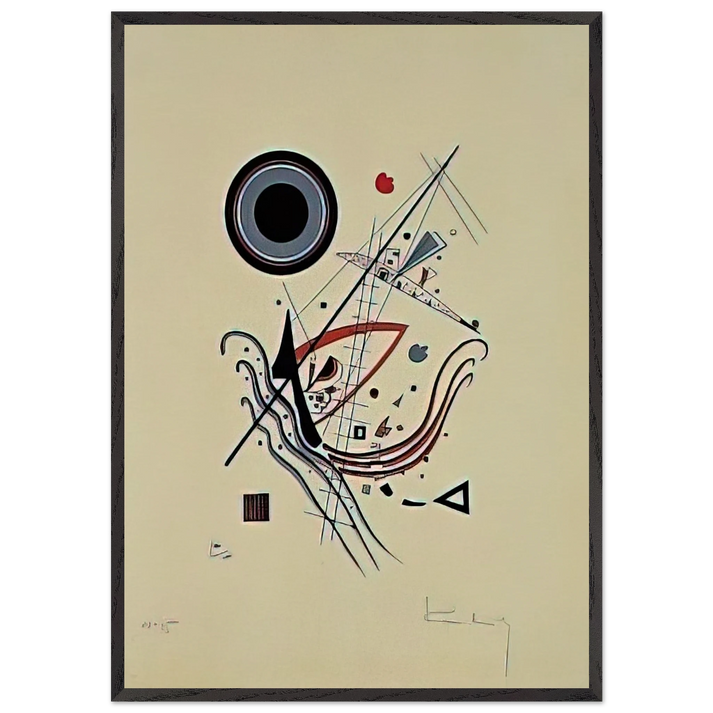
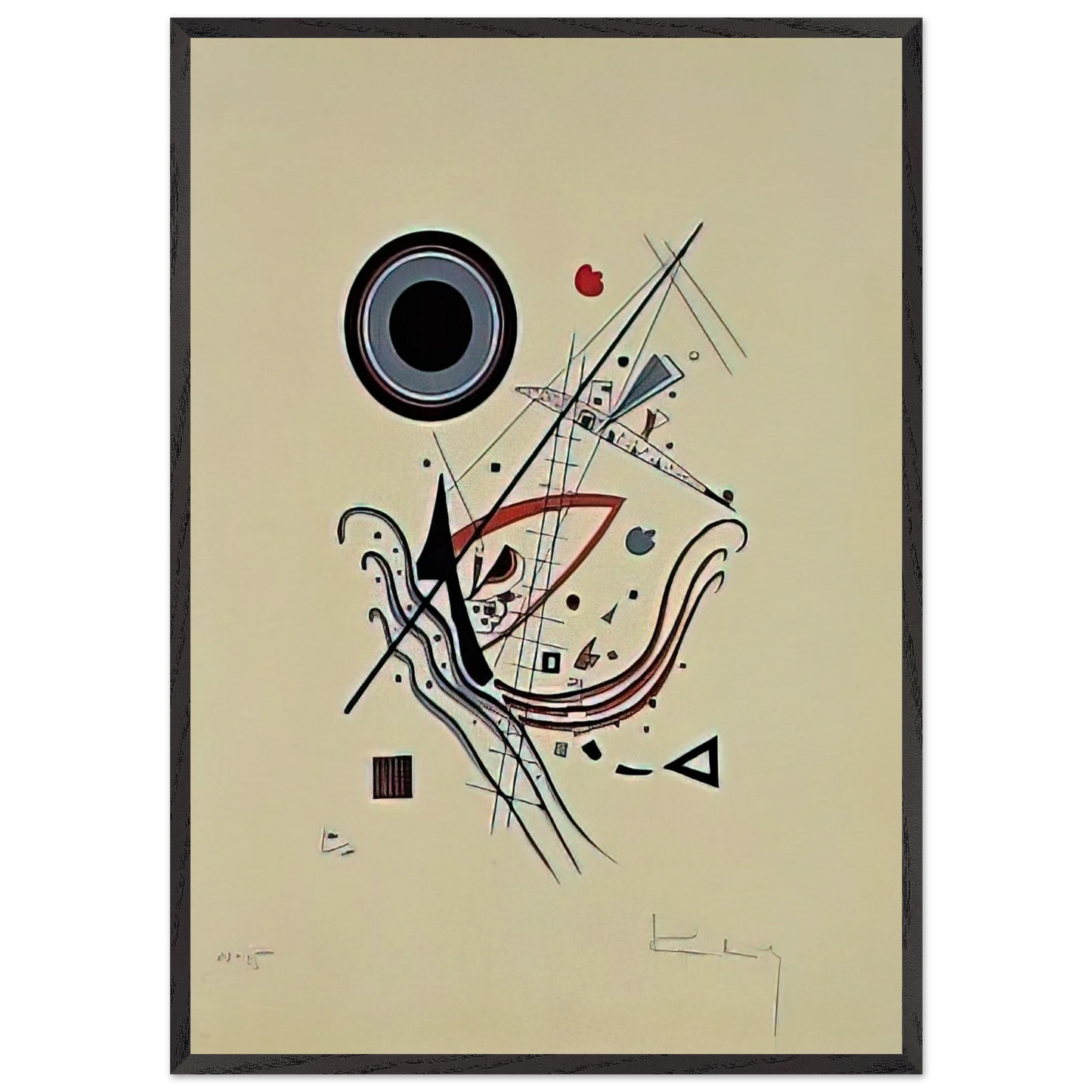
BLUE 1922 - Wassily Kandinsky 70x100 cm / 28x40 inches Framed Art Print – Black Wooden Frame
BLUE 1922 - Wassily Kandinsky 70x100 cm / 28x40 inches Framed Art Print – Black Wooden Frame
Couldn't load pickup availability
The Spiritual Geometry of Wassily Kandinsky’s BLUE 1922
Step into the transcendental world of early 20th-century abstraction with this museum-quality reproduction of BLUE 1922 by Wassily Kandinsky. Created during his influential tenure at the Bauhaus, this piece represents a pivotal moment where Kandinsky transitioned from lyrical abstraction to a more structured, geometric language. The composition vibrates with the interplay of circles, triangles, and lines, all anchored by the profound depth of the blue hue—a color Kandinsky famously associated with the spiritual and the infinite.
At RedKalion, we preserve the integrity of this masterpiece through a sophisticated printing process. Each Wassily Kandinsky fine art print is rendered on 250 gsm (110 lb) archival, natural white paper. This heavy, uncoated matte paper ensures the velvety depth of the original pigments is captured without glare, maintaining the work's historical soul for generations. The 70x100 cm (28x40 inches) format provides a commanding presence, perfect for sophisticated living spaces or professional galleries.
- Premium Framing: Encased in a 20mm (0.79") thick black wooden frame, crafted from responsibly sourced oak and ash wood for a superior profile.
- Archival Longevity: Printed on FSC-certified museum-quality paper, ensuring your investment remains vibrant and enduring without yellowing.
- Protection & Clarity: Protected by shatterproof, transparent plexiglass for a flawless view and enhanced safety in any environment.
- Ready for Display: Includes a professional hanging kit, arriving at your door ready to elevate your interior aesthetic instantly.
Owning this framed print is not merely a decorative choice; it is an invitation to experience the intellectual rigors of the Bauhaus movement. Elevate your space with an archival masterpiece that endures as a testament to the power of abstract thought.
Discover Unlimited Art Possibilities
At RedKalion, you can find virtually any artwork from any artist, available in a wide range of sizes to perfectly match your space.
If you didn’t find what you’re looking for, contact us at support@redkalion.com . We will source any artwork and produce it in any size and format you need, including art prints, posters, canvas, framed pieces, framed canvas, and more.
For dedicated art enthusiasts, we also offer handcrafted replicas of any artwork, carefully painted by highly skilled artists using traditional techniques.
For custom requests, contact us at support@redkalion.com .
What paper quality is used for the Kandinsky print?
We use 250 gsm (110 lb) archival museum-quality paper. It is a natural white, uncoated, matte paper that prevents glare and ensures the rich tones of BLUE 1922 are preserved with exceptional color accuracy and longevity.
How is the framed art print constructed?
The print is housed in a 20mm (0.79") wide frame made from responsibly sourced oak and ash wood. This profile is sturdier and more elegant than standard frames, providing a premium, gallery-style finish to your artwork.
Is the artwork protected against damage?
Yes, each Wassily Kandinsky fine art print is shielded by high-quality, shatterproof plexiglass. This provides the clarity of glass while offering superior protection during shipping and within your home environment.
Is the frame ready to hang upon arrival?
Absolutely. Your framed art print includes a pre-installed hanging kit. Whether you choose the 70x100 cm or 28x40 inches format, it arrives ready to be mounted directly onto your wall.
Are the materials used environmentally friendly?
RedKalion is committed to sustainability. We use FSC-certified materials or equivalent regional certifications, ensuring that both the 250 gsm paper and the wooden frames are sourced responsibly and ethically.
What is the significance of the color blue in Kandinsky’s 1922 work?
For Kandinsky, blue represented the "typical heavenly color" and the search for the infinite. In BLUE 1922, it serves as a spiritual anchor for the geometric shapes, reflecting his theory that color directly influences the soul.
In what period did Wassily Kandinsky create this piece?
Kandinsky painted this in 1922, the year he joined the Bauhaus school in Germany. This period marked his transition from spontaneous expressionism to a more structured, geometric style that defined modern abstract art.