RedKalion
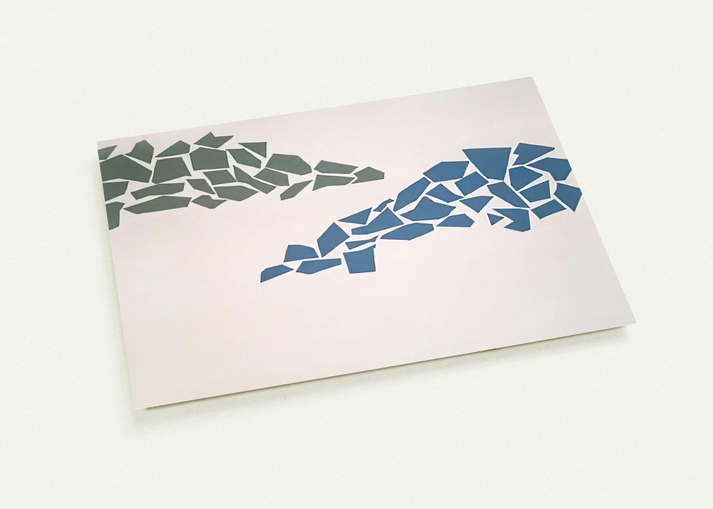
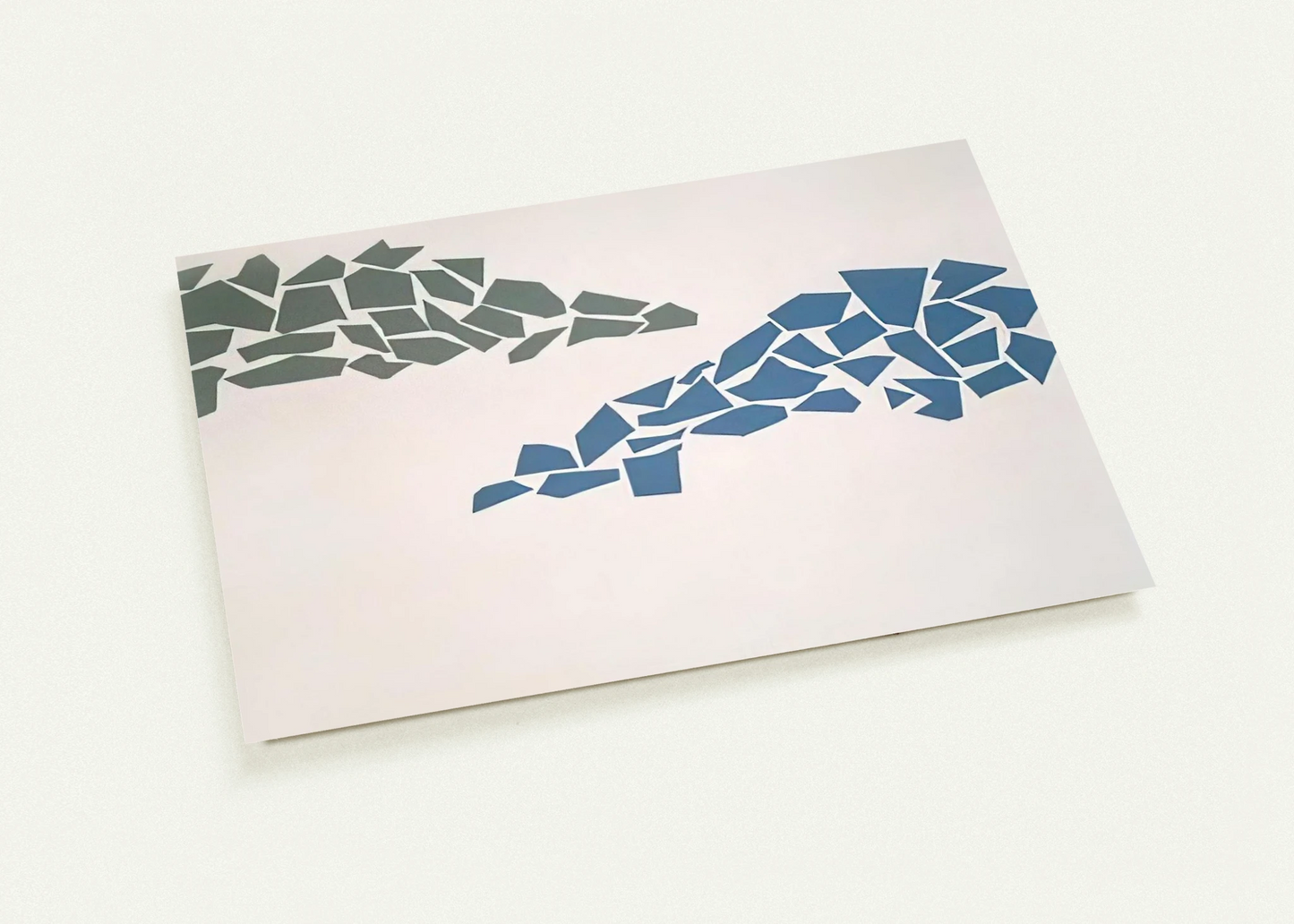
Blue and Green - 1968 By Robert Goodnough Pack of 10 Post Cards | Robert Goodnough Post Cards | A6 (10.5 x 14.8 cm) - 4.1 x 5.8 inches
Blue and Green - 1968 By Robert Goodnough Pack of 10 Post Cards | Robert Goodnough Post Cards | A6 (10.5 x 14.8 cm) - 4.1 x 5.8 inches
Couldn't load pickup availability
Elevate Your Correspondence with Robert Goodnough’s Abstract Mastery
Experience the lyrical abstraction of the mid-20th century with this exclusive pack of 10 postcards featuring Robert Goodnough’s 'Blue and Green' (1968). As a pivotal figure in the second generation of Abstract Expressionists, Goodnough’s work is celebrated for its intricate balance between spontaneous gesture and architectural structure. This 1968 masterpiece captures a sophisticated dance of color shards, evoking a sense of rhythmic movement that remains grounded in modern elegance.
Museum-Quality Reproduction for the Discerning Collector
At RedKalion, we believe that even the smallest format deserves the highest standard of craftsmanship. These A6 postcards are produced using our advanced 12-color fine art printing technology. Unlike standard 4-color commercial prints, our process ensures that the subtle shifts in cerulean and verdant tones are captured with breathtaking accuracy and depth. Each piece is printed on 200 gsm (80 lb) FSC-certified paper, offering a substantial, premium feel that reflects our commitment to both quality and environmental stewardship.
Sophisticated Details & Specifications
- Artist: Robert Goodnough (1917–2010)
- Title: Blue and Green - 1968
- Format: Flat postcards, pack of 10
- Dimensions: A6 (10.5 x 14.8 cm | 4.1 x 5.8 inches)
- Finish: Smooth matte, glare-free surface (0.26 mm thickness)
- Archival Quality: Printed on demand with archival-grade inks for lasting vibrancy
Whether utilized for thoughtful correspondence or displayed as a curated set of miniature gallery prints, these postcards bring a touch of museum-tier sophistication to your home or office. Invest in a legacy of American abstraction with reproductions designed to endure.
Discover Unlimited Art Possibilities
At RedKalion, you can find virtually any artwork from any artist, available in a wide range of sizes to perfectly match your space.
If you didn’t find what you’re looking for, contact us at support@redkalion.com . We will source any artwork and produce it in any size and format you need, including art prints, posters, canvas, framed pieces, framed canvas, and more.
For dedicated art enthusiasts, we also offer handcrafted replicas of any artwork, carefully painted by highly skilled artists using traditional techniques.
For custom requests, contact us at support@redkalion.com .
What printing technology is used for these Robert Goodnough postcards?
We utilize a 12-color fine art printing process, providing superior color vibrancy and tonal depth compared to standard 4-color inkjet printing, ensuring every nuance of Goodnough’s palette is preserved.
What are the physical dimensions and paper quality?
Each postcard is A6 size (10.5 x 14.8 cm / 4.1 x 5.8 inches), printed on 200 gsm (80 lb) paper with a thickness of 0.26 mm for a sturdy, premium feel.
Is the paper used for these art postcards environmentally sustainable?
Yes, all postcards are printed on FSC-certified paper, ensuring that the materials are sourced from responsibly managed forests that provide environmental, social, and economic benefits.
How does the matte finish affect the viewing experience of 'Blue and Green - 1968'?
The smooth matte finish eliminates glare, allowing the viewer to appreciate the intricate 'shards' of color and geometric dynamism without distracting reflections under various lighting conditions.
Are these postcards suitable for framing as miniature art pieces?
Absolutely. Due to the high-weight 200 gsm paper and 12-color archival printing, these postcards serve as excellent museum-quality miniature prints suitable for framing.
What defines Robert Goodnough’s artistic style in the late 1960s?
By 1968, Goodnough moved toward a more structured abstraction, using rhythmic clusters of shapes, often called 'shards,' to create a sense of weightless movement across the canvas.
What is the significance of the 'shards' in 'Blue and Green'?
The shards represent Goodnough’s synthesis of Cubism and Color Field painting, where geometric precision meets the fluid, expressive energy of American Abstract Expressionism.